
Review · THAILAND RAFTING TOURS
River Kwai Jungle Rafts: 2-Day Kanchanaburi Escape from Bangkok
History meets river life here. This 2-day Kanchanaburi escape combines the Thailand-Burma Railway Centre, Hellfire Pass, the Bridge over the River Kwai, a Death Railway train ride, and a night on a floating raft. I especially like the way the tour joins serious wartime history with time on the river, and I like that transport, meals, entrance fees, and a guide are bundled together. The main catch is the raft stay: it is simple, hot, and usually without electricity or Wi-Fi.
You will spend plenty of time in a minivan, and some guides speak English more clearly than others. Still, the small group size, capped at 15 people, keeps the experience more personal than a large coach outing. Pack lightly, carry small cash, and protect your electronics from river spray.
The details that shape the experience
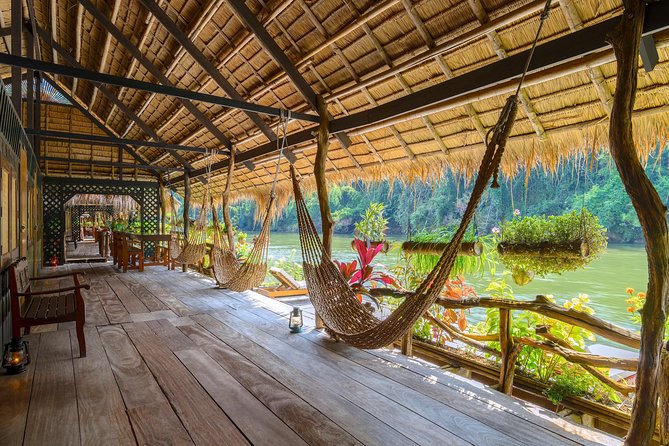
- One night without electricity: The floating raft uses basic amenities, often with fans instead of air-conditioning and no Wi-Fi or warm water.
- A serious WWII itinerary: The railway museum, cemetery area, bridge, Hellfire Pass, and Death Railway connect the region’s history in a useful sequence.
- Long-tail boats are part of the transport: You reach the raft by river, then return downstream by boat before taking the train.
- Mon culture is included: A village visit, jungle walk, and traditional dance performance add a cultural side to the trip.
- Early pickup from Bangkok: The day begins around 6:00 am, with transfers generally limited to central Bangkok hotels.
- Good value for a packed two days: At $209 per person, the price covers accommodation, meals listed in the program, transport, guide services, entrance fees, and the train ticket.
Why this Kanchanaburi trip works
I like this tour because it solves a difficult transport puzzle. Kanchanaburi is far enough from Bangkok that arranging the museum, bridge, Hellfire Pass, floating raft, Mon village, and train ride on your own would take planning and several separate bookings.
The tour also gives the area a proper sense of place. You do not simply stop at the bridge, take a photo, and rush back to Bangkok. You see the museum, travel along the river, sleep on the water, visit a village, and ride a surviving section of the railway built by prisoners of war and Asian laborers.
That combination is the heart of the experience. The history can be painful, but the river stay gives the second day a slower rhythm. I found that balance useful: the trip asks you to pay attention, then gives you quiet time to absorb what you have seen.
The tour operates privately or on a shared basis. Shared departures are capped at 15 people and use an English-speaking guide. A private option may suit you better if you want more control over timing or prefer a more direct conversation with your guide.
More Two-Day Trips in Thailand:
- Chiang Mai: 2-Day Jungle Trek with Elephant Farm & Raft Ride
★ 4.7 · 881 reviews - 2 Days Khao Sok with Overnight at Cheow Lan Lake Raft House
★ 5.0 · 40 reviews - From Krabi: 2-Day Cheow Lan Lake with Overnight Raft Stay
★ 4.6 · 18 reviews
Leaving Bangkok at 6:00 am
The early start is not optional in spirit. Pickup begins around 6:00 am, and the drive from Bangkok to Kanchanaburi takes a good part of the morning. Transfers use a car, minivan, or coach with a professional driver.
I would treat the first drive as part of the price, not as dead time. It lets you reach several widely separated sites without having to find taxis or negotiate local transport. Some vehicles used on the route are air-conditioned and newer, which matters after a hot day outdoors.
Pickup is normally available only from main hotels in central Bangkok. Khao San Road, Rattanakosin, Nonthaburi, Thonburi, Minburi, upper Sukhumvit from Soi 55 onward, both international airports, and other areas outside the central business district may require a supplement or a meeting point.
If you are staying in a private apartment or an unregistered accommodation, pickup may not be confirmed at the door. You may be asked to meet at a nearby hotel. Confirm your hotel details carefully, since last-minute changes can cause trouble.
Starting with the railway museum
The Thailand-Burma Railway Centre provides the historical framework for the rest of the trip. Allow about an hour here. The museum uses photographs, written displays, models, and personal records to explain how the railway was planned and built.
This stop matters because the bridge and train ride mean more after you understand the scale of the project. The railway stretched roughly 450 kilometers, and the work was completed in far less time than the original estimate. Prisoners of war endured hunger, disease, brutal labor, and poor tools, while large numbers of Asian laborers also suffered under forced conditions.
One especially useful feature is the ability to search wartime prisoner records. A visitor with a family connection found a father’s record there, which turned a museum visit into a deeply personal moment. If your family has a connection to the railway, bring names and dates that may help with a search.
The museum is indoors, but the day is long. I would not rush through the displays, yet I would save some energy for Hellfire Pass and the village visit later.
The Bridge over the River Kwai and the first boat ride
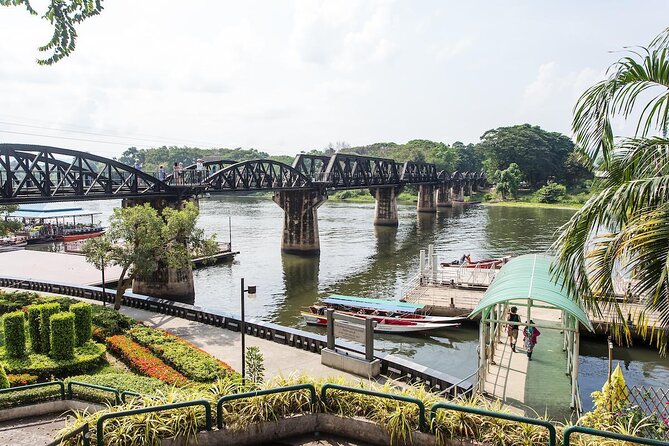
The bridge stop lasts about 30 minutes. You have time to see the structure, take photographs, and consider the odd contrast between a famous film title and the actual history of the railway. The bridge is a real working part of the route, not just a display piece.
From here, you board a long-tail boat. This is one of the tour’s most enjoyable transitions. Instead of driving all the way to the overnight accommodation, you approach the floating raft from the river.
The boat rides are practical transport, but they are also a central part of the experience. Water spray is possible, so wrap phones and cameras in waterproof bags. The operator specifically places responsibility for protecting electronic devices with you.
Long-tail boats can be awkward to enter and leave. You may need to step over a narrow gap or manage uneven footing, and there are several boat movements during the trip. Anyone with knee, back, or mobility concerns should think carefully about this before booking.
More Rafting Tours in Thailand:
- Chiang Mai: Elephant Sanctuary, Waterfall & Bamboo Rafting
★ 4.9 · 9,160 reviews - Khao Lak: Rafting, Elephant Bathing & Sea Turtle Center Tour
★ 4.7 · 2,519 reviews - Chiang Mai Elephant Sanctuary, Bamboo Rafting and Waterfall Tour
★ 5.0 · 870 reviews - Khao Lak: Khao Sok Bamboo Rafting and Elephant Bathing Trip
★ 4.8 · 719 reviews
Hellfire Pass: the most serious stop
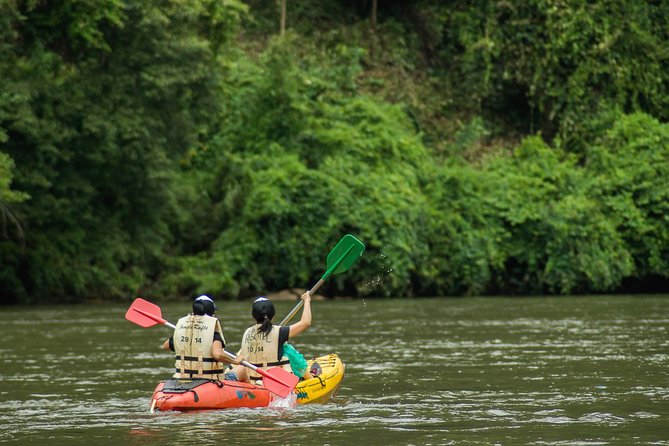
After lunch at the floating restaurant, you take another boat ride to Hellfire Memorial Pass. The visit lasts about 90 minutes and is the emotional center of the trip.
Here, prisoners of war hacked a railway cutting through rock with hand tools and explosives. The setting makes the work easier to picture. You see the scale of the rock cutting and the narrow route where people labored in terrible conditions.
I appreciate that the tour does not reduce the site to a quick photo stop. The museum and memorial area provide space to think about the suffering involved, including disease, hunger, exhaustion, and the loss of life. The subject is heavy, and the visit should be approached with respect.
Hellfire Pass has occasionally closed for holidays or operational reasons. In that case, the operator may provide a substitute, but a replacement site may not carry the same emotional force. If Hellfire Pass is the main reason you are booking, check its operating status close to departure.
Sleeping on the River Kwai
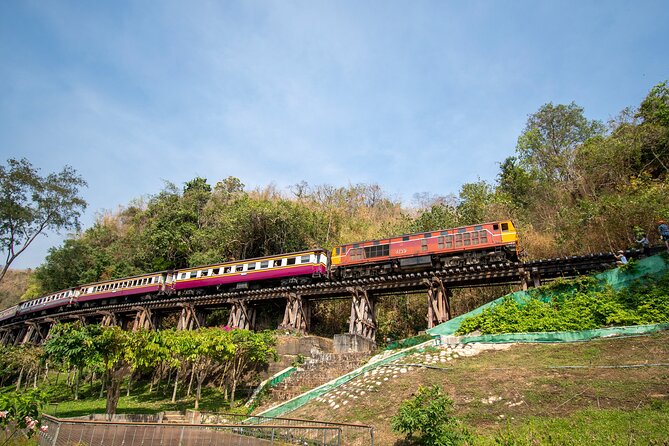
The floating raft is the trip’s defining feature. Your room is a basic shared twin or double space built over the river. The setting is peaceful, and the sound of water does much of the decorating.
Do not expect a standard hotel. The accommodation may have no electricity, no Wi-Fi, no warm water, and only a fan. In hot and humid weather, the room can feel uncomfortable. A swim in the river may offer relief, but the water and footing require care.
I think the raft works best if you treat it as a short soft-adventure stay rather than a hotel night. Charge your phone before leaving Bangkok. Bring a small flashlight, although the included details do not guarantee one. Pack mosquito protection, light clothing, and a dry bag for valuables.
The accommodation is simple but reported to be clean, with friendly staff and generous meals. The food is served at the floating restaurant, and the traditional Mon dance performance adds to the evening. Bring small Thai notes for personal purchases because larger bills may be hard to change at the raft.
Lunch, breakfast, snacks, drinks, and refreshments are included as specified in the program, but do not assume every drink is covered at every meal. One meal did not include drinking water, so carry some cash for extras.
The Mon village and a slower second morning
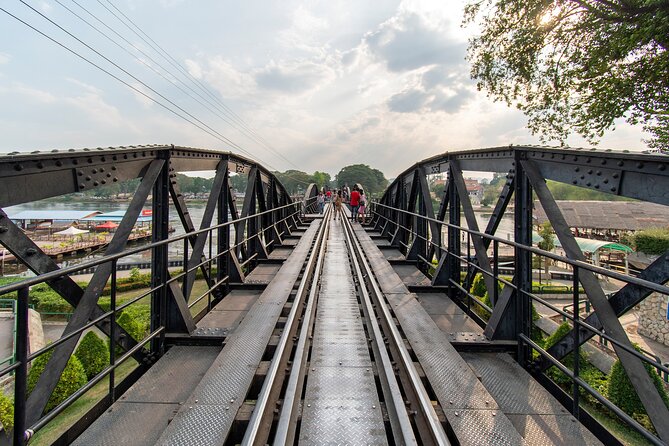
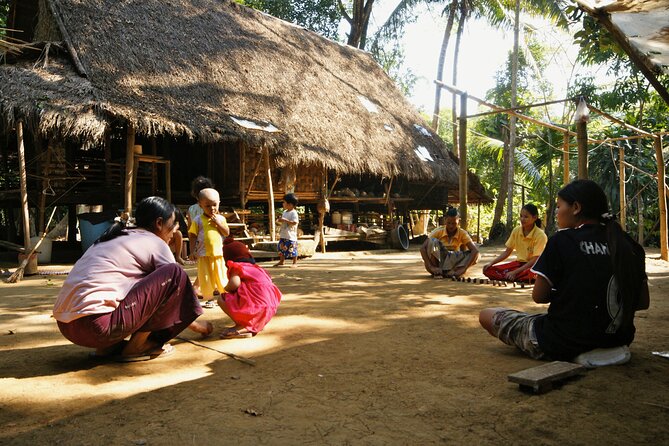
After breakfast, the tour visits a nearby Mon village. You spend about two hours in the area, including a short walk into the jungle and time learning about Mon life and local traditions.
This stop gives the trip a welcome change of subject. The first day is mainly about war and railway construction. The village visit turns your attention to a living community, its culture, and its relationship with the surrounding area.
The traditional dance performance at the raft is another cultural feature. It is brief and arranged for the tour, so it is not the same as wandering into an unplanned village celebration. Still, it adds context and gives you a chance to see a local tradition presented by Mon residents.
The route includes walking, steps, uneven surfaces, and at times bumpy roads. The operator advises against the trip for pregnant people, anyone with neck or back problems, and people with limited mobility. The boats can also be difficult for older visitors or anyone with sore knees.
Riding the Death Railway home
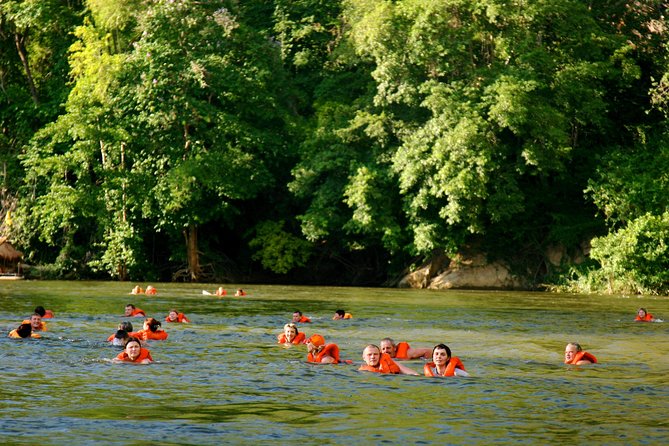
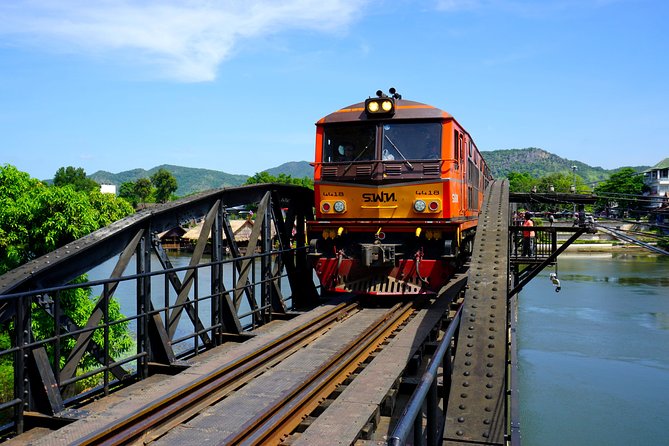
After checking out, you take the boat downstream and then board a local train. The ride lasts about 90 minutes and follows part of the Death Railway across the countryside.
This is a strong finale because the railway stops being a museum object. You are riding on tracks connected to the labor and suffering discussed at the museum and Hellfire Pass. The train also gives you a different view of the countryside after a day spent mostly near the river.
An upgrade may be available for the train ride, depending on the arrangements for your departure. If the railway is a major reason for your trip, ask what the upgrade includes before paying for it.
The train is not a luxury ride, and the route can be busy. But it provides a sense of continuity that the bridge alone cannot. You see that this railway is still part of ordinary transport, even though its construction belongs to one of the darkest chapters of the region’s past.
Guides, group size, and the value of $209
At $209 per person, this is not the cheapest way to reach Kanchanaburi. It is also far more than paying for a single museum visit and a train ticket. The question is what you want the price to do for you.
Here, the fee includes Bangkok area transport, a professional English-speaking guide, the raft accommodation, long-tail boats, meals listed in the program, entrance fees, the Mon performance, and the Death Railway ticket. I consider that solid value if you want a complete two-day route without organizing each piece yourself.
The guide can shape the quality of the experience. Some guides, including Lady and Bligh, have been praised for strong historical explanations and attentive care. Sam has also been described as passionate and well informed, while other guides were harder to understand because English was not their first language.
That difference is worth knowing. On a shared departure, you cannot always know the final participation numbers or guide assignment far in advance. The maximum group size of 15 is reasonable, but private travel offers more control.
The tour is well suited to people who want history first, with nature and culture around it. It is less suitable if you need air-conditioning, reliable internet, polished hotel comforts, or a flexible sleep-in schedule.
What to pack for the raft and railway
I would keep luggage to one suitcase and one piece of hand luggage per person. Space in private cars and transfer vehicles is limited, and you do not need a large bag for one night.
Pack these practical items:
- Lightweight clothing and a change of dry clothes
- High-SPF sunblock, sunglasses, and a hat
- Mosquito protection
- A waterproof phone pouch or dry bag
- Small Thai banknotes for drinks, tips, and personal purchases
- A fully charged power bank
- Comfortable shoes for walking and uneven ground
- Any medication you need during the two days
There is no travel insurance included, and it is strongly recommended. The booking is non-refundable and cannot be changed for any reason, so read the terms carefully before paying.
Should you book the River Kwai Jungle Rafts tour?
I would book this tour if you want a concentrated Kanchanaburi experience that joins WWII history, river travel, Mon culture, and a memorable night away from modern comforts. The strongest parts are Hellfire Pass, the museum, the raft setting, and the train ride over the Death Railway.
I would skip it if you dislike hot rooms, basic bathrooms, long road transfers, or repeated boat boarding. The trip asks you to accept discomfort in exchange for atmosphere.
For most people who can handle the conditions, the $209 price is fair because the route is difficult to arrange alone. Charge your devices, pack light, bring cash, and confirm that your Bangkok hotel falls inside the pickup area. If you do that, this two-day escape offers a serious and worthwhile look at Kanchanaburi without the usual transport headaches.
FAQ
How early does the tour leave Bangkok?
The stated start time is 6:00 am. Pickup is generally limited to main hotels in central Bangkok, and some locations outside the central business district may require an extra charge or a nearby meeting point.
Is electricity available at the floating raft?
The accommodation may have no electricity, Wi-Fi, or warm water. Rooms may use fans rather than air-conditioning, so charge phones and cameras before departure.
What meals are included?
Breakfast, lunch, and other meals are included as shown in the program, along with snacks, drinks, and refreshments where specified. Personal drinks and other purchases may cost extra.
Is the tour suitable for people with limited mobility?
The route includes bumpy roads, uneven surfaces, steps, walking, and several long-tail boat transfers. It is not suitable for people with limited mobility, pregnant people, or those with neck and back problems.
How many people can join the shared tour?
The tour has a maximum of 15 participants. It operates on both a shared basis and a private basis.
Can I cancel after booking?
No. The experience is non-refundable and cannot be changed for any reason after booking.
Just added around Thailand
- Trekking One Day+Bamboo Rafting+Jungle waterfall★ 5.0 · 2 reviews
- Rainforest Day Trip with Cave, Rafting, ATV & Lunch★ 3.5 · 5 reviews
- Rafting 7 km and ATV Adventure Tour with Lunch From Phuket★ 3.5 · 4 reviews
- Best Seller:Rafting 5km+Flying Fox (Full day From Phuket)★ 3.5 · 4 reviews
- White Water Rafting with Monkey Cave Experience from Phuket★ 3.0 · 3 reviews
- Rafting 5 km, ATV 30 Mins, Fly Fox and Jungle Tour From Phuket★ 3.0 · 7 reviews
- Phang Nga Tour with White Water Rafting and Zipline★ 3.0 · 3 reviews
- Phuket Rafting ATVing Flying Fox Full Day Activities By VIP Mini Van★ 3.0 · 3 reviews
2-Day Experiences, compared.
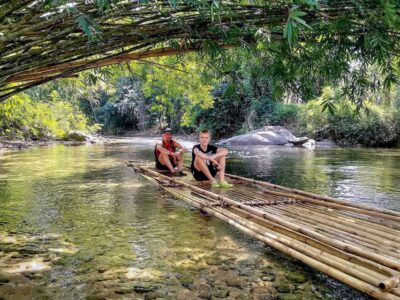
2-Day Jungle Trek with Elephant Farm & Raft Ride
Read our review →
Monkey Business 2 days – 1 night Jungle Trekking (including rafting)
Read our review →

2-Day Jungle Trekking & Rafting in North Sumatra
Read our review →
Wonderful 2Days 1Night Bukit Lawang Jungle Trekking Free Rafting
Read our review →
2 Days Khao Sok with Overnight at Cheow Lan Lake Raft House
Read our review →The lists this trip appears in