
Review · FRANCE RAFTING TOURS
Rafting 40km on the Gave de Pau with bivouac
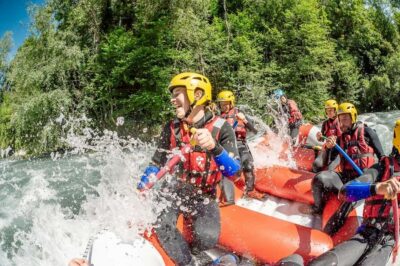
Trade a hotel room for a hammock. This 40km rafting journey through the Gave de Pau combines gentle whitewater, Pyrenean scenery, and a night outdoors in a way that feels far more personal than a standard half-day rafting trip. I especially like the slow descent from the mountains toward the plain, and the campfire raclette gives the evening a strong local flavor.
I also like the small-group limit of eight people, which should make instruction and river teamwork more focused. The main drawback is comfort: a hammock, early wake-up, wet shoes, and a long day on the water will not suit everyone. At $300.96 per person, this is an adventure package rather than a quick rafting outing, so you should be ready to pay for the overnight experience as much as the rapids.
Key points at a glance
- 40km from mountain river to plain: The route offers a full day of changing scenery instead of a short out-and-back paddle.
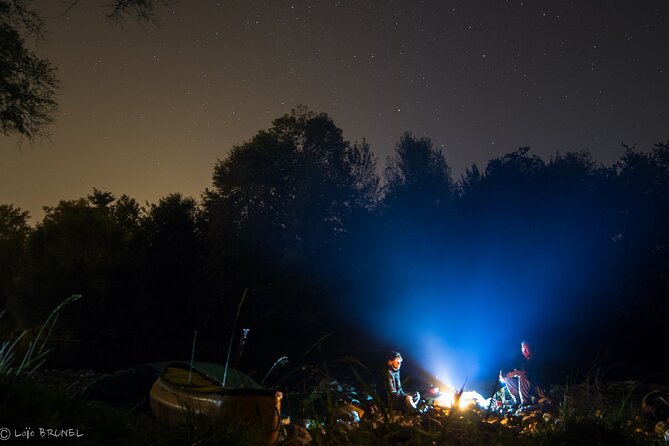
- One night in a hammock: You sleep outdoors under the stars, with a tent supplied if the weather turns poor.
- Pyrenean raclette by the fire: The evening meal adds a distinctly local touch to the camp.
- Maximum of eight people: The small group allows room for guidance and shared river work.
- A real self-sufficiency test: Bring water, food for the first day, two pairs of shoes, warm layers, and a sleeping bag.
- Two named team members praised: Felipe and Oceane received warm thanks for creating a fun, supportive outing.
A full day on the Gave de Pau
This experience begins at 10:30 a.m. at 26 Rue de Couscouillet in Villelongue, in the Argelès-Gazost Valley. The meeting point is useful to note carefully because the activity starts there and also finishes there, rather than ending at a separate river location.
The river outing covers about 40 kilometers. That distance matters. You are not simply getting a short burst of rapids followed by a quick return to town. You are spending a substantial part of the day moving with the river, learning how the boat responds, and watching the setting change as the route leaves the mountain area and gradually reaches the plain.
The trip is described as a gentle roaming route, but it still involves whitewater navigation and physical effort. You will learn technical movements connected with nautical bivouacs, so this is not just a scenic ride where the crew does all the work. The guides invite you to take part in the river’s basic routines and to gain confidence through repeated practice.
That balance is one of the strongest features here. You get the fun of rafting, but also a taste of traveling under your own power. For someone who wants a first taste of a multi-day river trip without committing to a long expedition, the format makes sense.
More Rafting Tours in France:
- Samoëns: Whitewater Rafting Tour in the French Alps
★ 4.9 · 73 reviews - Rafting Verdon – “Explor Verdon” – Family Course
★ 5.0 · 51 reviews - RAFTING BOURG SAINT MAURICE – Descent of the Isère (2h on the water)
★ 5.0 · 47 reviews
What the first afternoon feels like
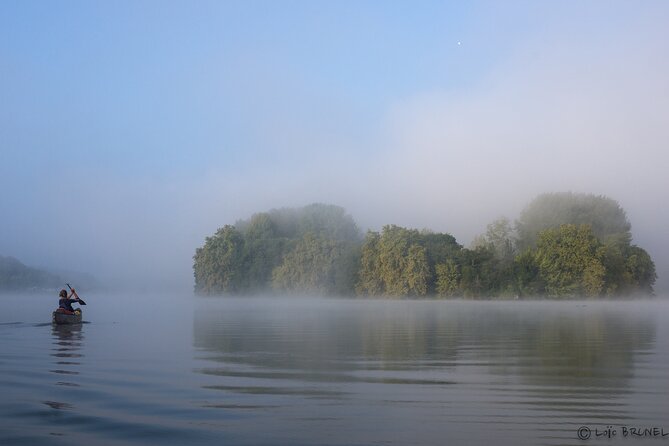
The opening part of the route takes place in the heart of the mountains. From there, the group gradually works downstream, with the river providing the structure for the day. The pace should allow time to notice the Pyrenean plants and wildlife, not just stare at the next rapid.
The supplied details describe the whitewater as safe for learning, but you still need moderate physical fitness. Expect to paddle, listen closely, handle a wet environment, and stay alert as the water changes. The operators have experience with this kind of river bivouac, and the small group size should help them keep instruction personal.
You should also expect the day to feel less polished than a normal sightseeing tour. A river trip has its own rhythm. Gear gets wet, shoes may stay damp, and the weather can affect how the evening is arranged. That is part of the appeal, but it is also why the packing list matters so much.
The team has experience with this style of adventure in different parts of the world. That background is useful because a bivouac requires more than river technique. Guides must also manage food, shelter, timing, and the practical details of keeping a group comfortable outdoors.
The Pyrenees beyond the rapids
The scenery is a major reason to choose this outing. The route begins among the mountains and heads toward the lower country, giving you a gradual change in views over the 40km. You are not locked into one short section of river with the same backdrop all day.
The Gave de Pau also gives the experience a clear sense of place. This is not a generic rafting course moved to France. The river runs through the Argelès-Gazost Valley, and the trip links whitewater activity with the flora and fauna of the Pyrenees.
I would keep your expectations realistic. The information does not promise a wildlife-spotting program, named scenic overlooks, or a list of guaranteed animals. You may see local plants and wildlife while moving along the river, but the main activity remains paddling and navigating.
That is a good arrangement for people who prefer active nature travel. You get time outdoors without turning the trip into a lecture. The river keeps you moving, and the guides can point out aspects of the natural setting as they appear.
Why the eight-person limit matters
A maximum of eight participants is a real advantage for this kind of outing. Rafting requires clear instructions, quick responses, and cooperation. A smaller group gives the guides more opportunity to watch how each person is managing the boat and the water.
It also shapes the social side of the evening. After a full day on the river, a group of eight or fewer is small enough for everyone to share food and stories around the fire. The tone should feel closer to a shared expedition than a large commercial excursion.
Two members of the team, Felipe and Oceane, received especially warm thanks for making the experience enjoyable. Their names are worth noting because guide attitude matters greatly on a trip like this. You will be spending a full day on the water and a night at camp, so patient, friendly staff can make the difference between a memorable challenge and an exhausting one.
The available feedback also highlights the basic pleasures of the overnight format: sleeping well, eating well, and enjoying the evening. Those comments are simple, but they point to what this trip is really selling. It is not only adrenaline. It is the satisfaction of doing something physical, sharing a meal, and ending the day somewhere far removed from a hotel lobby.
Same river country, a gentler way down it:
- Rafting on the Durance – Embrun
★ 5.0 · 40 reviews - RAFTING SAVOIE – Descent of the Isère (1h30 on the water)
★ 5.0 · 22 reviews - RAFTING LA PLAGNE – Descent of the Isère (1 hour on the water)
★ 5.0 · 22 reviews - Rafting Verdon Gorges
★ 5.0 · 18 reviews
Raclette by the campfire
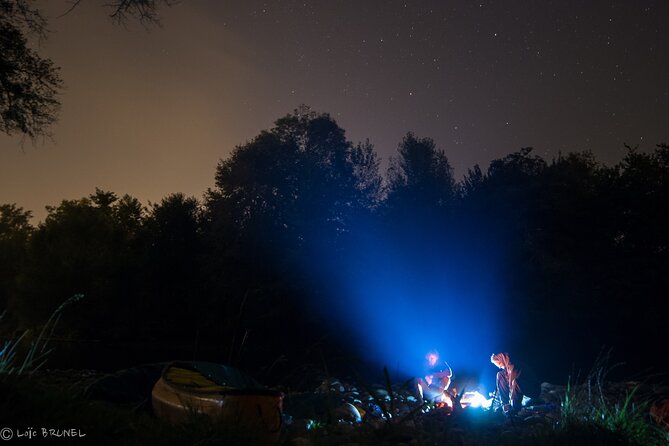
The evening meal is a Pyrenean raclette served around a campfire. This may be the most distinctive part of the experience for anyone who enjoys food tied to place.
Raclette is filling, warm, and well suited to an evening outdoors. After hours beside the river, a hot cheese-centered meal should feel like a reward rather than a formal dinner. You also get a chance to trade stories with the other participants and the instructors while the day’s activity is still fresh.
The meal adds value to the price because it turns the overnight stop into a proper camp evening. You are not simply stopping somewhere with a sleeping arrangement. The fire, food, and group setting give the night a social focus.
Still, you should not confuse this with a restaurant meal or a luxury camping setup. The appeal is shared outdoor cooking and a local dish, not table service. Bring the small toiletries and warm clothing listed for the trip, and expect the camp experience to remain simple.
Sleeping in a hammock under the stars
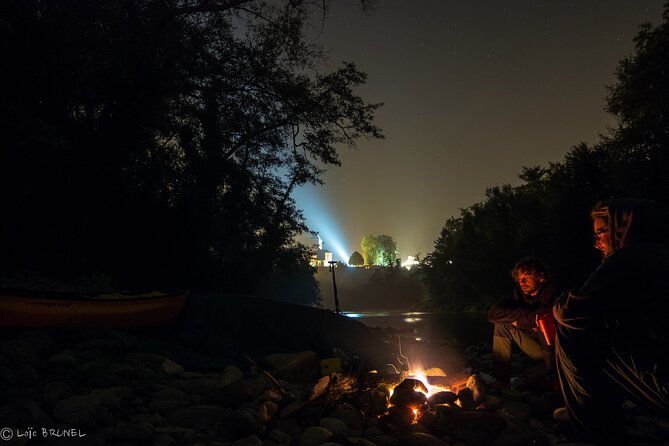
After dinner, you sleep in a hammock under the stars. That is the feature likely to divide people most sharply.
For the right person, it sounds wonderful. You are close to the outdoors, away from ordinary accommodation, and able to hear the night around you. The hammock makes the bivouac feel like a genuine river adventure rather than a standard campsite with a raft attached.
For others, a night in a hammock may be less comfortable than expected. The tour requires you to bring a sleeping bag, and you should take that instruction seriously. Warm clothes and basic toiletries also matter because outdoor temperatures and comfort levels can change after sunset.
A tent is provided in case of bad weather. That gives the setup a practical fallback, although it does not remove the need to prepare for a night outdoors. The weather requirement also means the trip can be canceled if conditions are poor, so you should keep some flexibility in your schedule.
The early morning is part of the design. You wake to birdsong, eat a homemade breakfast, and return to the river. This is not a late, leisurely campsite morning. The early start helps the group make progress toward the planned midday arrival, but it may feel demanding after a full first day.
The second morning and final rapids
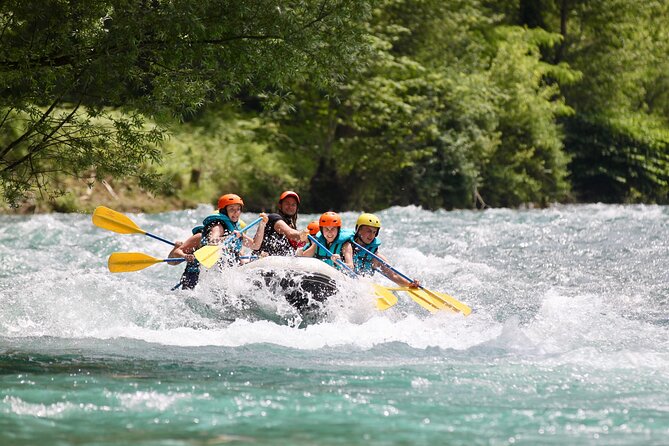
The second stretch begins after breakfast and continues through the rapids until the group is due to arrive around midday. This shorter final section gives you another chance to use the techniques learned on the first day.
The timing creates a compact overnight trip. You arrive on the first morning, spend the afternoon and evening on the river, sleep at camp, then paddle again before midday the next day. That format works well if you want an outdoor adventure but do not have time for a longer multi-day journey.
It also means you should not plan a packed schedule immediately afterward. The exact finish may depend on river and weather conditions, and the activity returns to the original meeting point. Give yourself breathing room after the estimated arrival rather than arranging an important appointment close to midday.
What to pack for 40km of rafting
The packing list is practical and quite specific. Bring:
- Three liters of drinking water per person
- A swimsuit
- A bath towel
- Two pairs of tennis shoes, since one pair will get wet
- Warm clothes
- A sleeping bag
- Small toiletries
- Sunglasses with a cord
- A picnic for the first day
- Snacks if you want them
The three-liter water requirement is especially important. Bottles can be refilled on site, but you need enough water with you at the start. Do not treat hydration as an afterthought on a long outdoor day.
The second pair of shoes is another useful instruction. One pair will be wet, and having dry footwear for camp can make the evening much more pleasant. Sunglasses with a cord are also a sensible river detail, since ordinary sunglasses can easily disappear in moving water.
The tour provides the tent if poor weather requires it, but you still need to bring your own sleeping bag. That tells you the organizers supply part of the camp structure, not a fully equipped sleeping kit.
You also need to bring a picnic for the first day. The evening raclette and the next morning’s homemade breakfast are described as part of the camp rhythm, but you should not assume that food for the first day is covered. Pack something that travels well and add snacks if you normally eat between meals.
Is the $300.96 price fair?
At $300.96 per person, this is expensive compared with a standard rafting session. The comparison is not entirely fair, though, because this experience covers about 40km, an overnight bivouac, a campfire raclette, a hammock night, and breakfast.
The price makes more sense if you value the full format. You are paying for time on the river, instruction, the camp setting, the social evening, and the chance to experience the Pyrenees through a small-group outdoor trip. If you only want rapids for a few hours, this is more than you need.
The value also depends on your equipment. You must bring a sleeping bag, picnic, water, shoes, and clothing, so the price does not remove every preparation cost. Still, the provided hammock setup and bad-weather tent reduce the amount of camping gear you need to carry.
I would judge the price favorably for an adventure-focused visitor who wants a memorable overnight experience rather than the lowest-cost way to try rafting. It is less attractive for someone who dislikes roughing it or wants a tightly scheduled activity with hotel-level comfort.
Who should book this river bivouac?
This outing suits active adults with moderate fitness who are comfortable with wet conditions, outdoor sleeping, and a full day of physical activity. It is also a strong choice for people who like learning practical skills instead of simply being carried through an attraction.
Nature enthusiasts should enjoy the slow movement through the Pyrenean setting. Food lovers get the raclette, and social visitors get a small group with time to talk around the fire. The trip also has a clear appeal for anyone who likes simple adventures with a touch of unpredictability.
I would think twice if you need a soft bed, dislike early mornings, or want full control over your schedule. The tour depends on good weather and a minimum number of participants. If poor weather cancels it, you are offered another date or a full refund. If the minimum number is not reached, you are offered another date or experience, or a full refund.
The standard cancellation terms are strict: once booked, the experience is non-refundable and cannot be changed for any reason. That makes flexible planning important. Confirm your dates before paying, and remember that booking confirmation itself may take up to 48 hours and remains subject to availability.
Should you book it?
Book this trip if you want rafting to be the center of a bigger outdoor story. The 40km route, small group, campfire raclette, hammock night, and early river start create a real sense of adventure without requiring a long expedition.
I would skip it if you only want a short introduction to whitewater or if sleeping outdoors sounds like a chore. For everyone else, especially active visitors based around Lourdes and the Argelès-Gazost Valley, this is a distinctive way to experience the Pyrenees with Felipe, Oceane, and the Tom Rafting team.
FAQ
Where does the rafting experience start?
It starts at 26 Rue de Couscouillet, 65260 Villelongue, France.
What time does the activity begin?
The scheduled start time is 10:30 a.m.
Where does the activity finish?
It finishes back at the original meeting point.
How long does the experience last?
The total duration is approximately 1 day and 6 hours.
How far do you raft?
The route covers about 40 kilometers on the Gave de Pau.
How many people can join?
The maximum group size is eight participants.
What fitness level is required?
A moderate level of physical fitness is recommended.
Do I need to bring drinking water?
Yes. Each participant should bring three liters of drinking water. Bottles can be refilled on site.
What happens if the weather is bad?
The activity requires good weather. If poor weather causes a cancellation, you are offered a different date or a full refund. A tent is also provided for the overnight stay if weather conditions are unsuitable for the hammock.
Is the booking refundable?
No. The experience is non-refundable and cannot be changed for any reason. Confirmation is sent within 48 hours of booking, subject to availability.
Just added around France
- Whitewater swimming (Hydrospeed) on the Durance★ 5.0 · 10 reviews
- Whitewater swimming (hydrospeed) on the Ubaye★ 5.0 · 3 reviews
- Rafting on the Ubaye – Barcelonette★ 5.0 · 15 reviews
- RAFTING SAVOIE – Descent of the Isère (1h30 on the water)★ 5.0 · 22 reviews
- RAFTING LA PLAGNE – Descent of the Isère (1 hour on the water)★ 5.0 · 22 reviews
- HYDROSPEED LA PLAGNE – Descent of the Isère (1h30 in the water)★ 5.0 · 5 reviews
- Rafting at the foot of Mont Blanc in Chamonix★ 4.5 · 7 reviews
- Rafting Verdon – “Point Sublime” – Sports Course★ 4.5 · 6 reviews
France Rafting Tours, compared.
Samoëns: Whitewater Rafting Tour in the French Alps
Read our review →
Rafting Verdon – “Explor Verdon” – Family Course
Read our review →
RAFTING BOURG SAINT MAURICE – Descent of the Isère (2h on the water)
Read our review →
RAFTING LA PLAGNE – Descent of the Isère (1 hour on the water)
Read our review →
RAFTING SAVOIE – Descent of the Isère (1h30 on the water)
Read our review →
Haute-Savoie: introductory rafting trip and aperitif
Read our review →The lists this trip appears in