
Review · USA RAFTING TOURS
Kokopelli ~ Taos, NM Racecourse Half Day Rafting
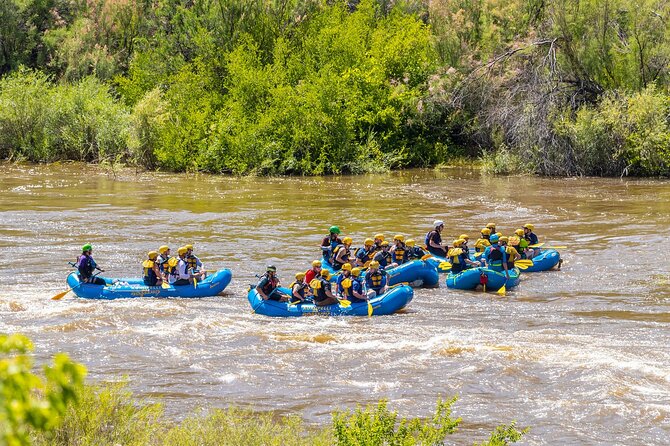
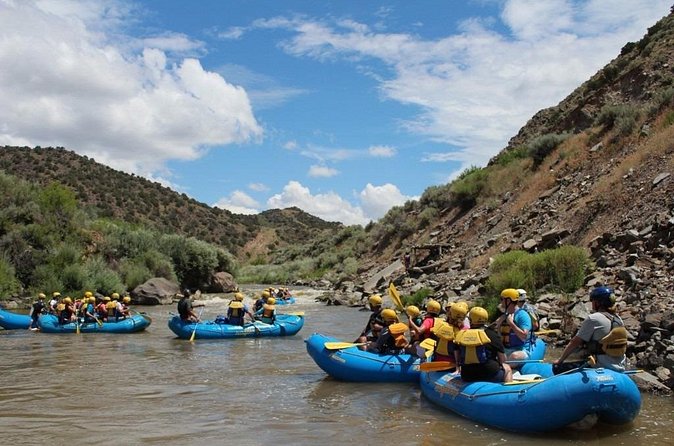
Hold on tight, the Rio Grande gets serious here. Kokopelli’s five-mile Racecourse trip packs wild water, tight channels, and striking Taos scenery into about three hours. I like the changing rapids, which range from big, cold spring waves to more technical summer boating. I also like the hands-on format: as the water drops, your paddling matters more.
The main caution is the river’s changing character. In May and June, you should expect cold water and strong waves. Later in summer, the water is warmer, but the raft may need more precise teamwork around exposed rocks. That makes this a better choice for someone with moderate fitness than for anyone seeking a gentle float.
The five things to know before you book
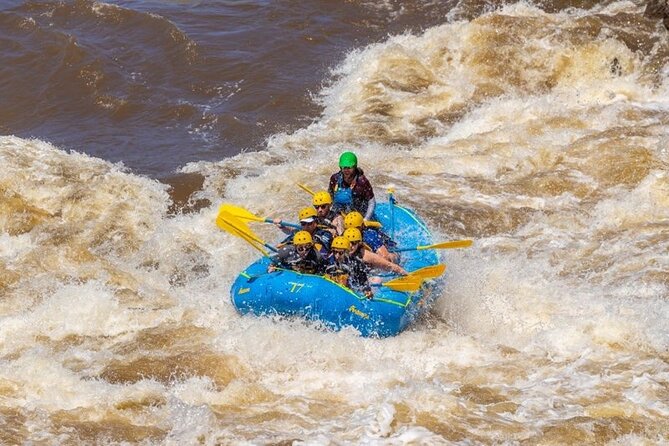
- Five miles of active whitewater: The Racecourse is Kokopelli’s most popular half-day section of the Rio Grande, with class III to class IV conditions depending on the season.
- Spring is colder and wilder: May and June can bring large waves, cold water, and plenty of physical excitement.
- Summer is technical: Lower water exposes more rocks and narrow channels, so you may need to paddle hard and help steer.
- You get the core safety gear: A personal flotation device, helmet, and paddle are included.
- The trip returns to its start: Meet at 2410 NM-68 in Dixon, about a half-hour activity from Taos by the trip’s listed schedule, then finish back at the same meeting point. The advertised duration is about three hours.
Why the Taos Racecourse is the right stretch
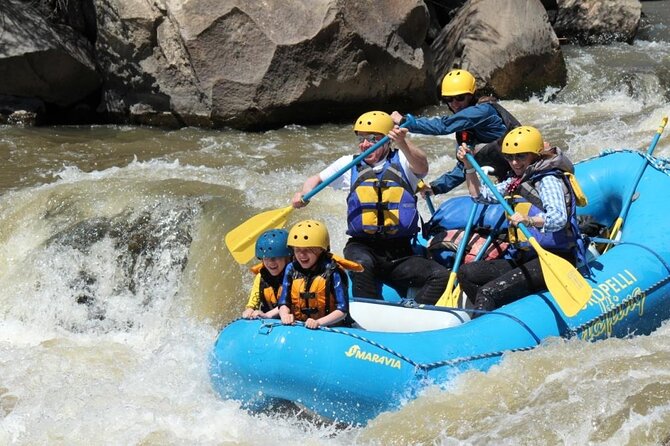
The Racecourse is not simply a scenic ride with a few bumps. It is a five-mile run chosen for its active whitewater, and the level of challenge changes with the calendar.
During spring high water, the river can reach class III to IV. That means larger waves, colder water, and a stronger sense that the river is in charge. You will likely spend less time thinking about swimming and more time listening closely to the guide and keeping your paddle moving.
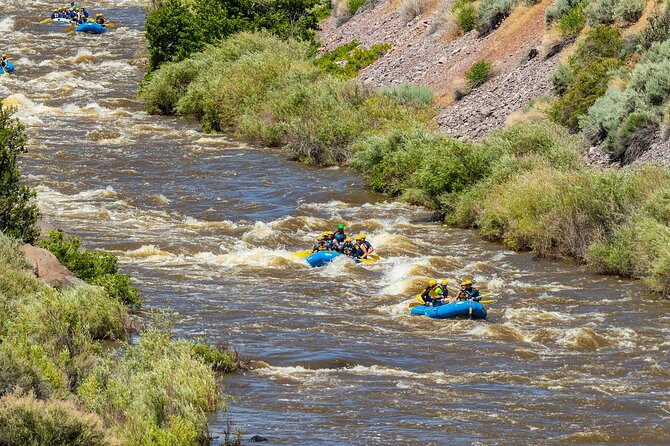
By summer, the river generally drops. The rapids remain class III, but the challenge shifts. Rocks become more exposed, channels get tighter, and your guide depends more on the raft crew to help maneuver through the river. You may paddle harder and make more deliberate strokes instead of simply riding over large waves.
That seasonal change is useful when choosing a date. If you want bigger water and maximum splash, May or June may suit you. If you prefer warmer water and the chance to swim or surf the raft, later summer may be more appealing. The tradeoff is that low water can demand more technical work.
More Half-Day Rafting Trips in the USA
- Half Day Whitewater Rafting Trip
★ 5.0 · 1,840 reviews - Half-Day Whitewater Rafting in Browns Canyon
★ 5.0 · 999 reviews - Durango Half Day Rafting Trip – Lower Animas River
★ 5.0 · 942 reviews
What the three-hour outing feels like
Your experience begins at the meeting point at 2410 NM-68 in Dixon, New Mexico. The activity both starts and ends there, which keeps the logistics simple. You do not need to arrange a separate return from the river at the end.
Before entering the water, expect a safety briefing. This is an important part of the outing, not wasted time. A clear safety talk helps you understand how to respond to the guide, how to use your paddle, and what to expect once the raft reaches faster water.
One participant specifically praised the safety speech and said it helped them feel prepared. That is a meaningful detail for first-time rafters. You do not need to arrive knowing whitewater commands, but you do need to pay attention and take the instructions seriously.
Once on the river, the five-mile route delivers a mix of rapids and quieter stretches. The exact balance depends on water level. Spring brings more force and bigger waves. Summer brings more exposed rocks, tighter lines, and more opportunities to help power the boat.
The trip is short enough to fit neatly into a Taos day, yet long enough to feel like a real river outing rather than a quick splash. At roughly three hours, it leaves room for other plans, but you should still treat it as an active half-day commitment.
Spring water versus summer water
The biggest choice you make is not only the date. It is the kind of rafting you want.
May and June: cold water and large waves
High spring water gives the Racecourse its wildest character. The rapids may reach class IV, and the river carries more volume. You should be ready for big waves and cold water, even on a warm New Mexico day.
The cold matters. You may get wet, and the low temperature can make the run feel more demanding than the number of hours suggests. Bring a practical attitude and expect the conditions to be part of the fun, not an inconvenience.
Spring is a good fit if you want a stronger whitewater hit and do not mind a brisk ride. It is less suited to someone hoping to spend much time in the water or enjoy a relaxed float.
Same river country, a gentler way down it:
- Upper Pigeon River Rafting Trip from Hartford
★ 5.0 · 1,444 reviews - Whitewater Rafting in Jackson Hole : Family Standard Raft
★ 5.0 · 965 reviews - Half Day Browns Canyon Rafting Adventure
★ 5.0 · 903 reviews - Browns Canyon Full Day Rafting Adventure
★ 5.0 · 825 reviews
Summer: warmer water and tighter lines
As the river drops, the character changes rather than disappears. The rapids remain active, but rocks rise into the route and channels narrow. The guide may ask you to paddle with more purpose to help position the raft.
The upside is warmer water. You may have more chances to jump in, swim, or surf the raft in waves. That combination gives summer a playful side, but do not mistake warmer water for easy rafting. The lower river can require careful boat handling and steady effort.
I would choose summer if I wanted more interaction with the water and a technical challenge that does not rely only on large waves. You still need moderate fitness, especially if the crew is asked to power through tight spots.
Guides, safety, and the human side
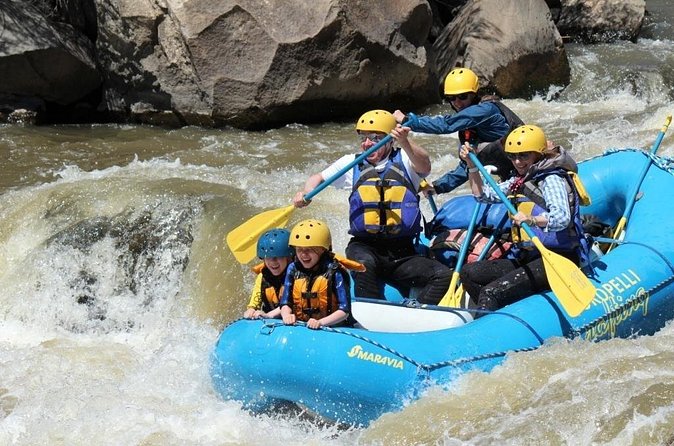
A rafting trip depends heavily on the guide, and the named guides connected with this outing received especially strong praise. Pete was described as a cool, capable guide who helped make the day memorable. Rio was praised for making the trip fun, engaging, and exciting.
Those comments point to what matters most on a short rafting trip. You want a guide who explains the safety rules clearly, keeps the group involved, and knows when to bring energy and when to give direct instructions. The reported experience with Pete and Rio suggests that Kokopelli’s guide team can add plenty of personality to the three-hour run.
Safety still begins with you. Listen carefully during the briefing, wear the supplied helmet and PFD correctly, and follow commands when the river gets busy. The activity is capped at 40 people, so the overall operation can include a sizable group. The actual number in your raft is not specified, so you should not assume a small private outing.
The maximum group size also explains why guide communication matters. On an active river, a clear command is more useful than a long speech. Your job is not to master every piece of river technique in advance. Your job is to pay attention, paddle when asked, and stay engaged.
What is included, and what you should plan for
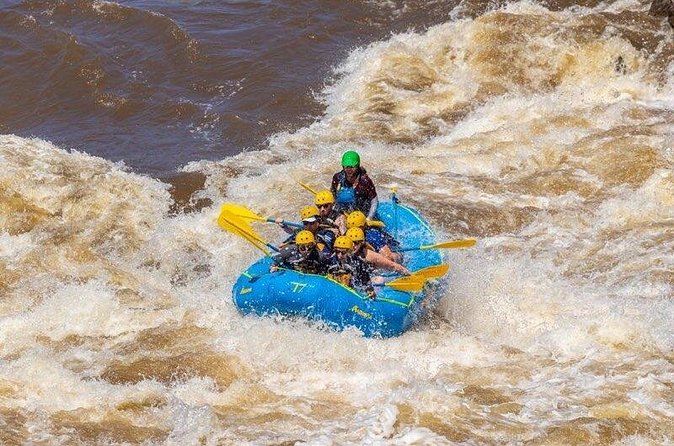
The essential river equipment is supplied:
- Personal flotation device
- Helmet
- Paddle
That is a solid basic package. You do not need to arrange these central safety items yourself, and the helmet and PFD are particularly important on a class III or class IV run.
Food is not included. There is no lunch or snack service, so plan around that before you arrive. The trip is only about three hours, but an active morning or afternoon can leave you hungry. Since the meeting point is in Dixon and the outing returns there, organize any food plans before or after the rafting period rather than expecting a meal on the river.
The supplied information does not list clothing, footwear, or personal-item rules. I would check directly with the operator before departure if you need exact packing guidance. At minimum, dress with the season and cold-water possibility in mind, especially for a May or June trip.
Is the $69 price good value?
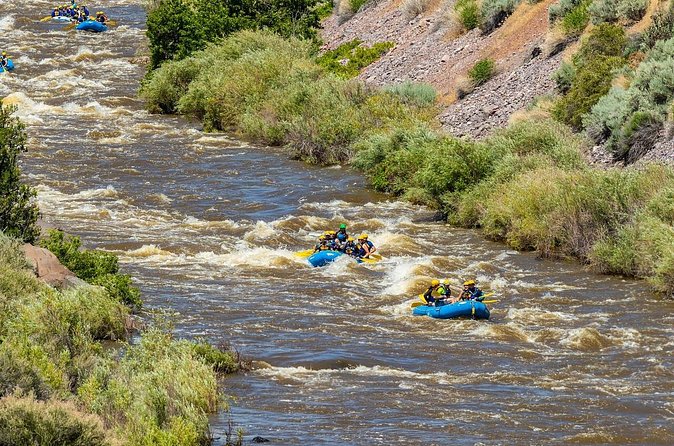
At $69 per person, this is a reasonably priced way to spend about three hours on a popular stretch of the Rio Grande. The price includes the PFD, helmet, and paddle, so you are paying for guided river access and the core equipment rather than only renting a boat.
The value improves if you want an active experience that fits into a larger Taos visit. You get a five-mile run, guide instruction, safety preparation, and a return to the original meeting point. That keeps the outing focused and avoids turning a short rafting trip into an all-day commitment.
The price is less attractive if you want a quiet float, included food, or a large amount of time on the river. This is not a picnic outing, and snacks or lunch are not part of the deal. The best value comes from choosing it for the whitewater itself.
A photographer named Xavier took excellent photos during one outing, according to the supplied experience details. That suggests photos may be available on some departures, but the information does not say they are included in the $69 price. Ask before assuming you will receive pictures or that photography is part of the package.
Who should book this rafting trip?
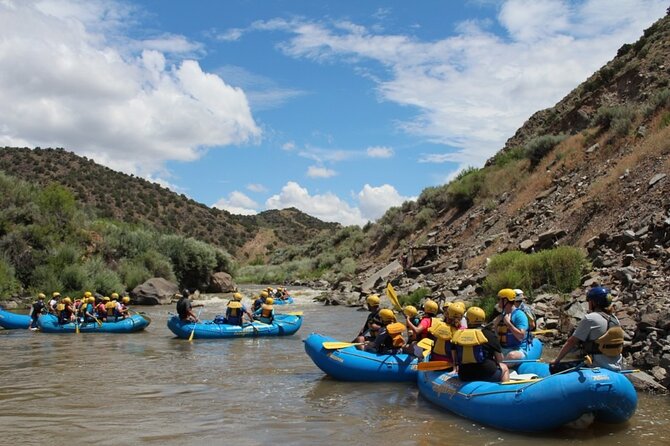
This trip suits you if you have moderate physical fitness and want to take an active role in the boat. You should be comfortable with cold water in spring, changing river conditions, and instructions that require quick cooperation.
It is a good pick for:
- First-time rafters who want a clear safety briefing and a real whitewater experience
- Active couples, friends, or families who meet the fitness expectations
- Visitors who want a three-hour activity rather than a full-day river expedition
- People choosing between bigger spring waves and warmer summer water
- Anyone who likes the idea of paddling and helping steer instead of sitting passively
You may want another kind of outing if you are looking for a calm float, dislike cold water, or do not want to paddle. The activity has a moderate fitness requirement, and summer’s lower water can make the route technical even when the water feels warmer.
The class IV possibility in spring deserves respect. You do not need to be an expert based on the information provided, but you should be ready for a more forceful ride than a mild sightseeing float.
Planning the date and booking window
The experience is offered in English and uses a mobile ticket, which keeps the booking process straightforward. It is typically booked about 13 days ahead, so I would avoid waiting until the last minute if your Taos dates are fixed.
You can cancel for a full refund if you do so at least 24 hours before the start time. Changes or cancellations inside that 24-hour window are not accepted for a refund. The cut-off follows local time.
Weather can affect the trip. If poor weather forces a cancellation, you are offered another date or a full refund. The activity also requires a minimum number of people. If that minimum is not reached, you are offered another date or experience, or a full refund.
Those rules are fair, but they make it wise to keep a little flexibility in your Taos schedule. Book early enough to secure a place, then protect the 24-hour cancellation deadline.
The best way to choose spring or summer
Choose May or June if your priority is:
- Bigger waves
- Colder, more forceful water
- A possible class III to IV run
- The most intense version of the Racecourse
Choose later summer if your priority is:
- Warmer water
- More chances to swim
- Raft surfing
- A class III run with tighter channels and exposed rocks
- More direct paddling and boat control
Neither season is automatically better. Spring offers power. Summer offers interaction and technical boat work. Your preferred kind of challenge should decide the date.
Should you book the Kokopelli Racecourse trip?
I would book this if you want a compact, well-priced whitewater outing with a clear safety briefing and enough action to make the Rio Grande the focus of your day. The five-mile route, changing seasonal conditions, and hands-on paddling give the trip more substance than a basic float.
Pete and Rio’s praised guiding, along with Xavier’s strong photography on one outing, adds appeal, but the real reason to book is the river. Choose spring for cold, powerful waves. Choose summer for warmer water, swimming chances, and technical maneuvering.
Skip it if you want included food, a quiet ride, or no physical work. For an active visitor with moderate fitness, $69 is a sensible price for three hours on one of the Taos area’s most popular rafting sections.
FAQ
How long is the Kokopelli Taos Racecourse rafting trip?
The activity lasts approximately three hours. It covers a five-mile section of the Rio Grande known as the Racecourse.
Where does the rafting trip start and finish?
The trip starts at 2410 NM-68, Dixon, New Mexico 87527. It ends back at the same meeting point.
What equipment is included?
The price includes a personal flotation device, helmet, and paddle. Lunch and snacks are not included.
How difficult is the Racecourse rafting trip?
The run can range from class III to class IV during spring high water. As summer water levels drop, it remains a technical class III route with tighter channels and more exposed rocks. Participants should have a moderate level of physical fitness.
Can I cancel for a full refund?
Yes. You must cancel at least 24 hours before the experience start time for a full refund. Cancellations or changes made less than 24 hours before the start time are not accepted for a refund.
What happens if weather or minimum attendance cancels the trip?
If poor weather causes cancellation, you are offered a different date or a full refund. If the minimum number of participants is not reached, you are offered a different date or experience, or a full refund.
Just added around the USA
- New River Gorge Whitewater Rafting, WV – Lower New Full Day★ 5.0 · 18 reviews
- Lower Gauley Fall Rafting Special in WV★ 5.0 · 32 reviews
- Half Day New River Gorge Whitewater Rafting★ 5.0 · 22 reviews
- Extreme Class V Whitewater Rafting on the Gauley River WV (Fall Only)★ 5.0 · 10 reviews
- Full Day Fall Lower Gauley Rafting in West Virginia★ 5.0 · 2 reviews
- Fall Upper Gauley Full Day Whitewater Rafting★ 5.0 · 2 reviews
- White Salmon River Rafting Full Day★ 5.0 · 15 reviews
- White Salmon River Rafting Half-Day Trip★ 5.0 · 31 reviews
Half-Day Rafting Trips, compared.
Durango Half Day Rafting Trip – Lower Animas River
Read our review →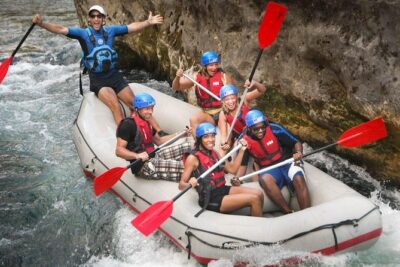
Half-Day Rafting Experience on Cetina River with Cliff Jumping and more
Read our review →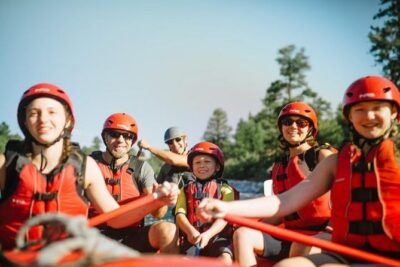
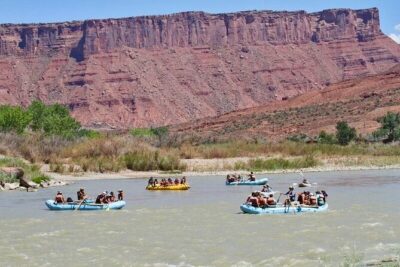
Fisher Towers Half-Day Rafting Day Trip from Moab
Read our review →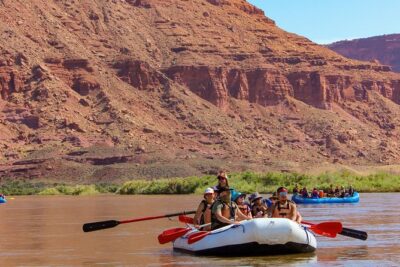
Moab Afternoon Half Day Rafting Trip – Colorado River
Read our review →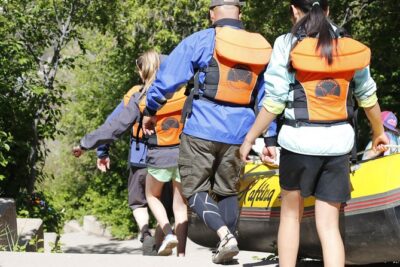
The lists this trip appears in