
Review · NEPAL RAFTING TOURS
Pokhara: Upper Seti River Rafting Day Tour
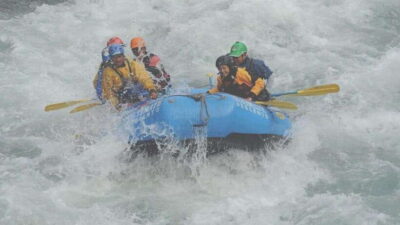
The river wastes no time. This Upper Seti rafting trip gives you a lively half-day of bouncy Class II+/III+ rapids, clear mountain water, and sharp bends near Pokhara. I like the short transfer from Lakeside and the way the trip packs real action into about four hours. I also like the strong safety setup, with trained raft guides, safety kayakers, certified equipment, and a clear briefing before you launch.
The main thing to consider is that this is not a gentle sightseeing float. You should be comfortable in water, expect to get soaked, and understand that the rapids can feel intense if you are new to rafting. Non-swimmers, pregnant people, and anyone with back or heart problems should choose another activity.
Key points to know before you book
- Class II+/III+ rapids: Expect bouncy waves, technical sections, and sudden twists rather than a calm river ride.
- Only 30 minutes from Pokhara: Pickup around Lakeside keeps the outing easy to fit into a busy Nepal schedule.
- Annapurna scenery from the river: Mountain views, gorges, clear water, and a suspension bridge decorated with religious flags give the trip more than just thrills.
- Safety receives high praise: The guides are described as professional, friendly, attentive, and good at keeping nervous rafters calm.
- About 1 to 1.5 hours on the water: The full activity lasts 3.5 to 4 hours, including transport, instruction, and gearing up.
- Bring your own waterproof footwear: Swimwear, a change of clothes, water, and clothes that can get wet are essential.
Why the Upper Seti works so well for a half-day
The Upper Seti River is a smart choice if you want genuine white-water action without giving up an entire day. From Pokhara Lakeside, the drive to the launch area in Hyamja takes about 30 minutes by bus or coach. That short transfer matters. You spend less time sitting in a vehicle and more time near the river.
The appeal is the mix of scenery and motion. The water is described as crystal clear, and the route passes through gorges with views toward the Annapurna range. The river itself provides the main drama, with Class II+/III+ rapids, rolling waves, and bends that require the crew to pay attention.
This is not advanced expedition rafting. The grade makes it suitable for beginners who are comfortable in the water, while still giving experienced rafters enough movement to keep things interesting. You will not simply sit back and admire the mountains. You will paddle, brace, listen for instructions, and help the raft through the rougher sections.
The trip also includes quieter moments. You may swim in the river waves, and there is an optional cliff jump into the clear water. The jump is not the whole point of the outing, and you do not need to take part. It is best treated as an extra choice for people who want a little more adrenaline.
More Rafting Tours in Nepal:
- Upper Seti: Half-Day White Water Adventure
★ 5.0 · 87 reviews - Pokhara: Half Day Upper Seti Rafting & Paragliding adventure
★ 4.8 · 34 reviews - Himalayan White Water Rafting Day Trip from Kathmandu
★ 4.0 · 22 reviews
From Pokhara Lakeside to Hyamja in 30 minutes
Pickup is available around Pokhara Lakeside, and you are asked to wait in your hotel lobby before the scheduled time. You can also meet at Rafting Adventure Nepal in Lakeside. The return options are the same general area, which makes this easy to combine with a meal, a walk by the lake, or another Pokhara activity.
The ride to the river takes about half an hour. It is a practical transfer rather than a sightseeing tour, though the changing views outside the vehicle help set the scene for the river. You should keep your important items secure and avoid bringing anything you do not want to get wet.
Communication appears to be one of the operator’s strengths. Pickup details can be confirmed by WhatsApp, and one booking included an extra scooter pickup to connect a guest with the main bus. That sort of flexibility is useful in Pokhara, where hotel locations around Lakeside do not always line up neatly with vehicle access.
One point deserves attention: the experience is described as a private group, but transport may still involve a shared coach or joining the main vehicle. If having a completely private transfer matters to you, confirm that detail before booking.
The safety briefing sets the tone
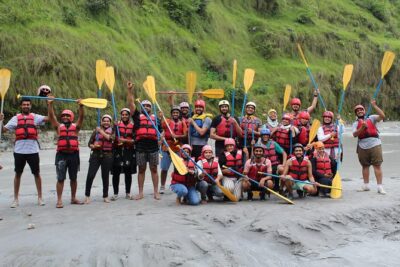
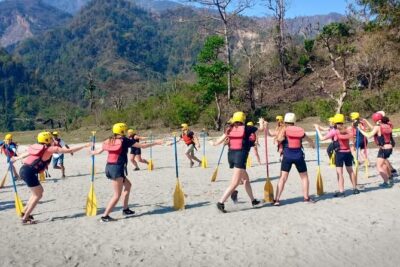
After reaching the river area, you receive a guided introduction and safety briefing. This is where you learn how to hold the paddle, respond to commands, position yourself in the raft, and handle the more active sections.
That instruction is especially valuable for first-time rafters. The river is rated Class II+/III+, so you are not dealing with the mildest possible water. The briefing helps turn the trip from a frightening surprise into a team activity with clear rules.
The safety support goes beyond the main raft guide. An experienced safety kayaker accompanies the group, adding another layer of assistance on the river. A first aid kit is also carried, and the equipment is described as ISO and CE certified.
The strongest pattern in the feedback is the sense of security. Several people specifically praised the guides for being professional, attentive, energetic, and calm. One person who began the activity feeling scared said the staff helped them feel safe enough to enjoy it. That is important here. A good rafting guide does not remove the excitement, but helps you understand it.
What the Class II+/III+ rapids feel like
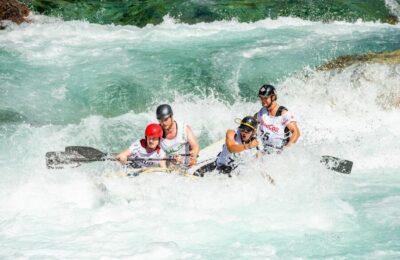
The Upper Seti section offers continuous action rather than one short burst followed by a long wait. You can expect bouncy waves, changing lines, and technical moments where the raft needs to move correctly through the current.
The word technical does not mean you need prior rafting experience. It means the river has features that demand teamwork and attention. Listen closely when the guide gives a paddle command. If you are sitting on the edge of the raft, keep your feet secure and follow the instructions about balance.
The river’s twists add an element of surprise. You may see a bend ahead but not know exactly how the current will push the raft through it. That is part of the fun, though it also explains why the trip is not ideal for people who dislike sudden movement or getting wet.
One useful detail is that the time on the water may be shorter than the full four-hour activity. A recent account put the rafting portion at roughly 1 to 1.5 hours. The rest of the time covers pickup, the drive, changing into equipment, the safety talk, and returning to Pokhara. That is normal for a half-day river trip, but it helps set accurate expectations.
Same river country, a gentler way down it:
- 1 Night 2 Days Trishuli River Rafting Trip From Kathmandu With Private Car
★ 5.0 · 14 reviews - Pokhara: Seti River Rafting Adventure with Hotel Pickup
★ 5.0 · 5 reviews - Rafting Tour In Trishuli river
★ 4.0 · 5 reviews - Rafting in Nepal: Trishuli, Bhotekoshi & Other River Rafting
★ 4.5 · 5 reviews
Clear water, gorges, and the Annapurna range
The scenery gives the rafting a stronger sense of place. The Upper Seti is not just a convenient watercourse near Pokhara. You move through clear white water, rocky gorges, and open views toward the Annapurna range.
The mountain views may change with the weather, so you should not book this solely on the promise of a perfect Himalayan panorama. Still, the setting adds something special even when clouds soften the peaks. You get to see the surroundings from a low, moving viewpoint, with the river constantly changing the foreground.
The suspension bridge is one of the trip’s most memorable visual moments. It is decorated with colorful religious flags and crosses above the river, creating a striking contrast with the rushing water below. The bridge also gives you a different way to read the valley. From the raft, you look up at it. From the bridge, the river and surrounding gorge open out beneath you.
There is a good balance here. You get scenic pauses without turning the outing into a slow float. If you want a quiet nature experience with no physical effort, this is not the right choice. If you want scenery that arrives between bursts of paddling and splashing, it fits well.
Cliff jumping and swimming are optional extras
The trip includes opportunities to swim in the river waves and jump from a small cliff into the water. These moments can make the outing feel more like a shared adventure than a simple ride through rapids.
You should not feel pressured to jump. The main rafting route already provides enough excitement, and the safety briefing should guide you about what is appropriate. The same applies to swimming. You need to be comfortable in water, but you can decide how much extra activity you want beyond paddling.
The clear water makes these pauses appealing, yet cold water and changing conditions are still possible. Wear swimwear under your clothes and bring a dry change for afterward. A towel is not listed among the included items, so packing one is sensible, even though it is not specifically required.
Equipment, clothing, and what you should pack
The operator provides the main rafting equipment, including certified gear. You should bring your own waterproof footwear, since shoes are not supplied. Secure sandals or water shoes are more useful than loose flip-flops, though the exact footwear choice is up to you.
Pack:
- Swimwear
- Comfortable clothes that can get wet
- A full change of clothes
- Drinking water
- Waterproof footwear
- A towel, as a practical extra
Leave alcohol, drugs, and smoking materials out of the plan. They are not allowed during the activity. You should also avoid carrying phones, cameras, or other valuables unless the operator gives you a safe way to store them.
One nice extra is the possibility of receiving GoPro videos from the guides. This is not listed as a formal inclusion, so you should not book expecting guaranteed footage. But it can provide a memorable record of the rapids if it is available on your departure.
Is $39 good value?
At $39 per person, the price is reasonable for a four-hour outing that includes pickup and drop-off around Pokhara Lakeside, professional English-speaking guides, safety kayakers, equipment, river permits, and first aid supplies.
You are not paying only for time on the water. The cost also covers the transfer to Hyamja, preparation, instruction, and the safety system that supports the rafting. For a visitor without personal equipment or river experience, that makes the package convenient.
The value is strongest if you want a ready-to-go adventure. You do not need to arrange a separate vehicle, find a launch point, secure permits, or rent a helmet and life jacket on your own. The experience is also easy to fit between other Pokhara plans because it lasts about half a day.
The price does not include personal insurance, transport outside the stated pickup area, or footwear. Those are small but important costs to consider. You should arrange your own insurance before taking part, especially since rafting involves real physical activity and moving water.
Who will enjoy this rafting trip most?
I would recommend it to you if you want an active Pokhara outing that combines mountain scenery with a real dose of adrenaline. It suits first-time rafters who are water-comfortable, as well as people with some rafting experience who want a shorter session.
It is also a good fit if you are nervous but curious. The feedback shows that the guides are good at explaining the activity and keeping people calm. You still need to accept that the river is lively, but you do not need to arrive as an expert.
This is less suitable if you want a dry, relaxed sightseeing tour. It is also not appropriate for non-swimmers, pregnant people, or anyone with back or heart problems. The activity provider specifically warns that you should expect to get wet, so do not try to protect a nice outfit.
The private group description may appeal to people who prefer a more personal experience. Still, because the transfer can use a main coach, ask how your specific departure will be organized if group size and privacy are important to you.
Booking flexibility and timing
You can cancel up to 24 hours before the activity for a full refund, and the reserve-now-pay-later option keeps your plans flexible. Starting times vary, so check availability before settling your Pokhara schedule.
A timing change has happened when a morning departure had no remaining space and a guest was moved to the afternoon. That does not mean every booking will change, but it is sensible to avoid placing an important connection immediately after the rafting trip.
An afternoon departure can also work well. You get the same river activity while leaving the morning free for breakfast, sightseeing, or a visit to another Pokhara attraction. Just allow enough time after rafting to change, dry off, and return to Lakeside.
Should you book the Upper Seti rafting trip?
Book it if you want a compact, well-supported adventure with active rapids, mountain views, and a pickup that keeps the day simple. The professional guides, safety kayakers, clear briefing, and strong record of positive feedback make it a reassuring choice for beginners who are ready to get wet.
Skip it if you are not comfortable in water, need a completely calm outing, or have a medical condition listed among the restrictions. Also confirm the transport and private-group details if those points matter to you.
For most active visitors in Pokhara, $39 is a fair price for the combination of river action, scenery, equipment, and convenience. Bring dry clothes, wear proper water shoes, listen to the guide, and treat the cliff jump as optional. That is the best way to enjoy the Upper Seti without turning a fun half-day into an avoidable hassle.
FAQ
How long does the Upper Seti River rafting tour last?
The full activity lasts about 3.5 to 4 hours, including pickup, transport, the safety briefing, preparation, rafting, and the return to Pokhara. The time on the water may be around 1 to 1.5 hours.
Where does pickup take place?
Pickup is available from hotels around Pokhara Lakeside. You can also meet at Rafting Adventure Nepal in Pokhara Lakeside. You should wait in your hotel lobby before the scheduled pickup.
How far is the river from Pokhara?
The rafting area in Hyamja is about 30 minutes from Pokhara by bus or coach.
Are beginners allowed to join?
Yes. The experience is suitable for beginners and experienced rafters. You should be comfortable in water and ready to get wet.
What should I bring?
Bring swimwear, comfortable clothing that can get wet, a change of clothes, water, and waterproof footwear. Footwear is not provided.
Is rafting equipment included?
Yes. Certified rafting equipment, professional English-speaking guides, safety kayakers, river permits, and a first aid kit are included.
Who should not take part?
The activity is not suitable for pregnant people, non-swimmers, or anyone with back or heart problems. Smoking, alcohol, and drugs are not allowed.
Just added around Nepal
- Paragliding Trip with River Rafting★ 5.0 · 2 reviews
- 1 Day Rafting Upper Seti River★ 4.5 · 2 reviews
- 1 Day Trishuli Rafting from Pokhara★ 5.0 · 4 reviews
- 1 day Trishuli river rafting★ 5.0 · 2 reviews
- Kathmandu Pokhara & Chitwan Tour with Rafting -8 Days★ 5.0 · 2 reviews
- Trishuli Rafting★ 5.0 · 4 reviews
- A Day Rafting Tour to TRISHULI RIVER★ 3.5 · 3 reviews
- Trishuli River Rafting Day Trip From Kathmandu by Private Car★ 4.5 · 2 reviews
Pokhara Rafting Tours, compared.
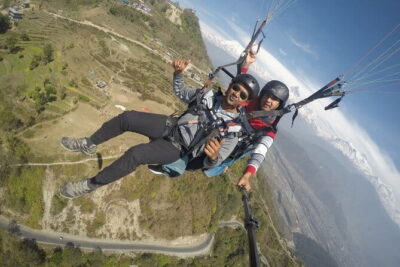
Half Day Upper Seti Rafting & Paragliding adventure
Read our review →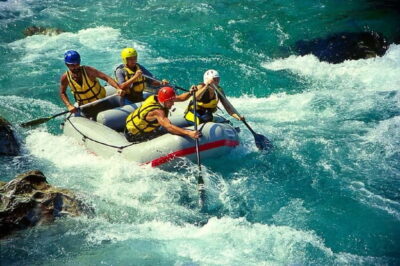
Paragliding and Rafting Adventure with Transfers
Read our review →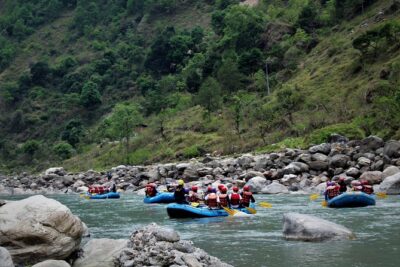
The lists this trip appears in