
Review · NEW ZEALAND RAFTING TOURS
Rafting Rotorua: Kaituna River White Water Experience
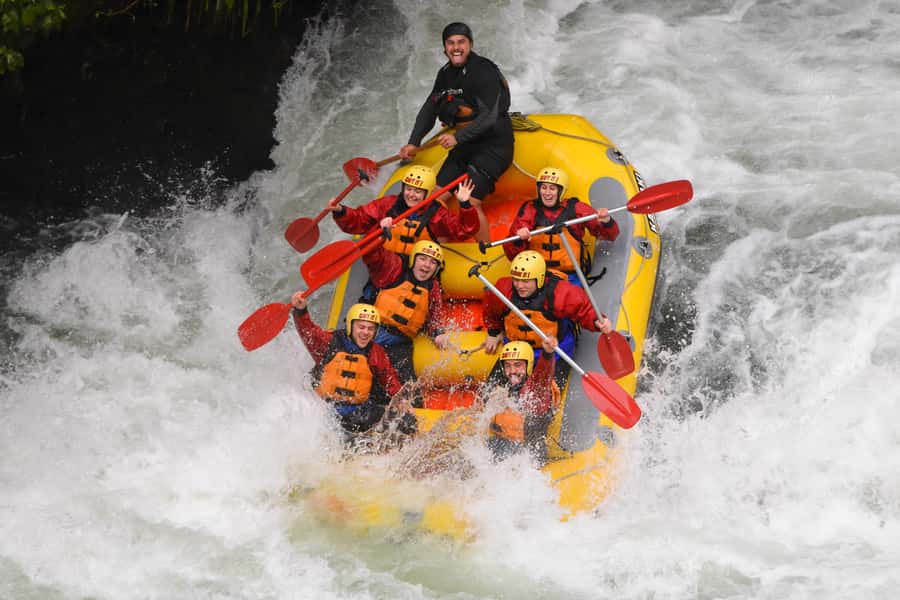
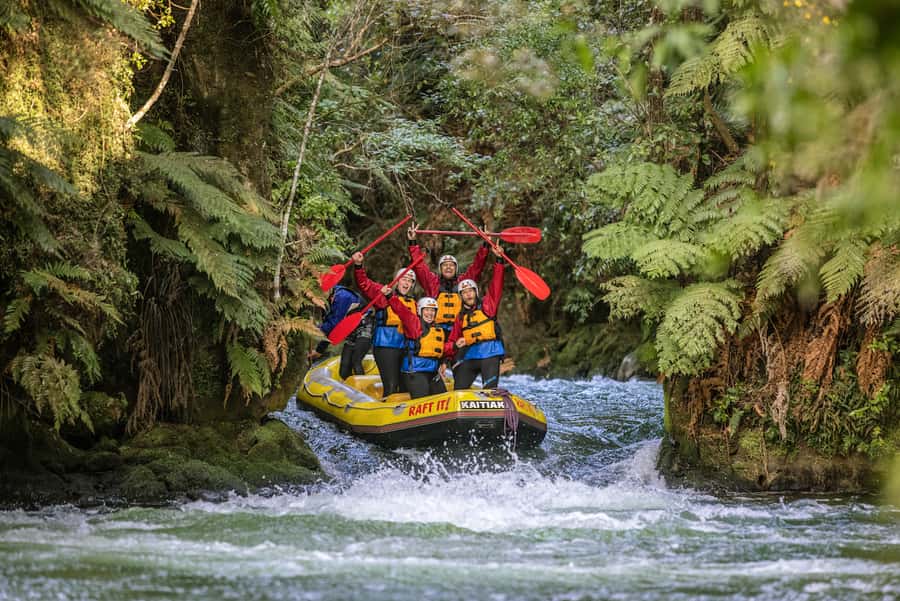
Rotorua puts serious whitewater within easy reach. Kaitiaki Adventures takes you through the bush-clad Ōkere section of the Kaituna River, over 14 rapids and three waterfalls, with the main prize being 7-metre Tutea Falls, the highest commercially rafted waterfall in the world. I like the mix of strong scenery and genuine Māori ideas about Kaitiakitanga, or caring for and protecting the land.
I also like how welcoming the guides appear to be for first-timers. Guides including Aoife, Jack, Kyle, Ben, Reiya, and Caruzo receive repeated praise for clear instructions, good humor, and calm support. The main consideration is simple: this is real whitewater, not a gentle sightseeing float. You will get wet, the falls can feel intimidating, and only about an hour of the roughly 150-minute activity is spent on the river itself.
Key points to know before you book
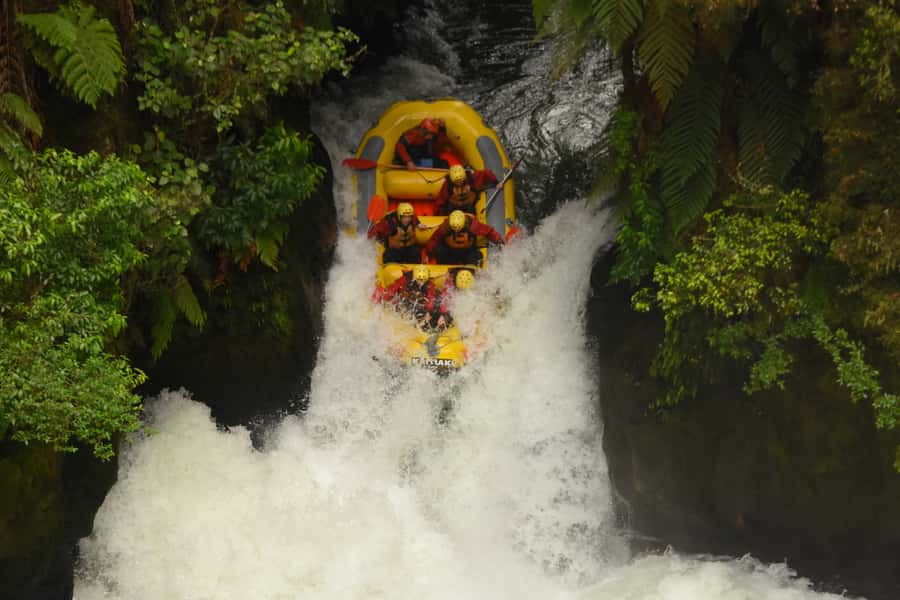
- Tutea Falls is the headline: You raft the 7-metre waterfall known as the highest commercially rafted fall in the world.
- Fourteen rapids keep the trip moving: The river delivers more than one dramatic moment, with three waterfalls along the route.
- Māori culture has a real place here: Guides introduce Kaitiakitanga, the Māori principle of guardianship for the natural world.
- The activity suits nervous beginners: Safety practice, supportive guides, and clear commands help you take part without previous rafting experience.
- The full outing takes longer than the river run: Allow about 3.5 hours from hotel pickup to return, or drive 15 minutes from central Rotorua to the base.
- Photos cost extra: Action images are available after the trip at the base or online, but food and drinks are not included.
From Rotorua hotels to the Kahikatea forest
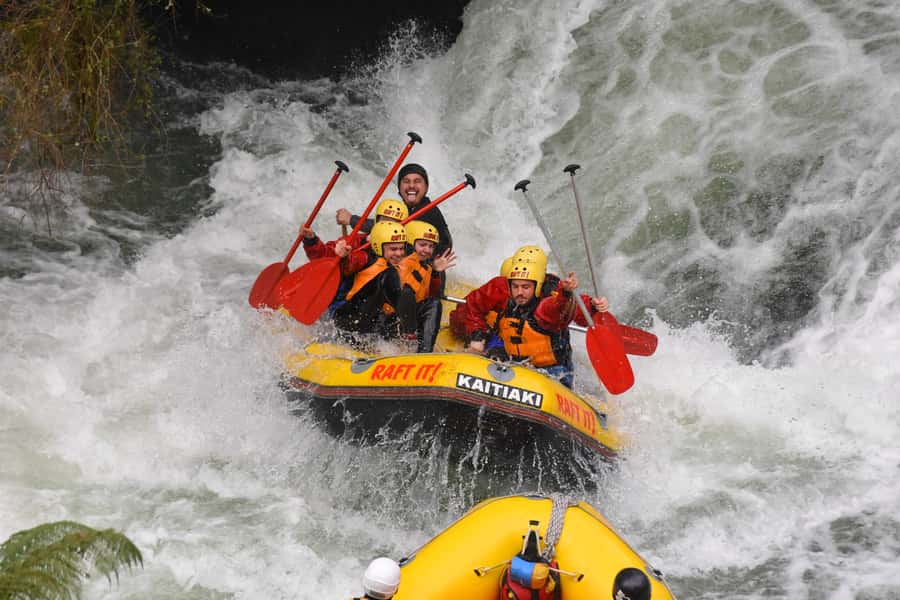
You can reach the rafting base in two ways. The easiest is courtesy transport from central Rotorua accommodation or the Rotorua i-SITE Visitor Information Centre. Pickup is offered at a long list of hotels, motels, hostels, and holiday parks, but you need to give your exact accommodation when booking.
I would confirm the pickup carefully. One person had trouble reaching the company about transport and ended up paying separately for that part, although the return ride was provided. That sounds like a communication problem rather than the normal arrangement, but it is a good reason to check your pickup details before the day.
Driving yourself is also straightforward. The base is about 15 minutes from Rotorua city center and has plenty of free parking. This option gives you more control over your morning, though you will need to allow time for the drive, changing, and the safety briefing.
The River Base sits by native Kahikatea forest and has changing rooms with lock boxes. There is even a volleyball court, a small but useful touch if your group arrives early. The base feels like a practical staging point rather than a polished resort, which suits the activity. You are there to get ready, learn the basics, and get on the water.
More White Water Rafting in New Zealand
- Rotorua Rafting: Kaituna River White Water Rafting & Free Sauna
★ 5.0 · 1,952 reviews - Rafting Rotorua Kaituna White Water Rafting | Kaitiaki Adventures
★ 5.0 · 759 reviews - Kaituna River White Water Rafting from Rotorua
★ 5.0 · 388 reviews
Getting suited up for serious whitewater
Bring swimwear, a towel, comfortable shoes, and a jacket. The operator provides a wetsuit, booties, splash jacket, life jacket, helmet, and other safety equipment. Several people specifically appreciated that the gear was clean and that spare shorts were available when needed.
The clothing matters. Kaituna River rafting is a wet activity from the first rapid onward, and you should not plan to stay dry. Your towel is for afterward, while the jacket helps before and after the river when the air feels cool.
After changing, you receive a detailed safety briefing. This is not filler. You learn how to sit, paddle, respond to commands, and deal with an unexpected swim. One person reported that a raft flipped at the large waterfall, but the pre-trip practice helped everyone return safely to the boat.
The minimum age is 13, and pregnant women cannot take part. You do not need previous rafting experience, and several people who could not swim still described feeling supported by the guide. That said, non-swimmers should be honest with the crew before departure so the guide can give appropriate help.
GoPros may be worn on a chest mount if the guide allows it. A hand-held camera is not practical during active rafting, and the guide has the final say because safety comes first.
Practice first, then the Kaituna River
A short bus ride takes you from the base to the Ōkere section of the Kaituna River. This first stretch helps you learn how the raft responds before the river becomes more demanding.
That setup is especially helpful if you are nervous. You are not simply handed a paddle and sent toward a waterfall. The guide builds the group’s confidence through commands and practice, then applies those skills to the rapids ahead.
The water journey lasts about an hour, while the complete rafting portion, including transport and preparation, is listed at roughly 1.5 hours. The overall activity is advertised as 150 minutes, but hotel pickup and drop-off can make the whole outing about 3.5 hours. Plan around the longer figure if you have a thermal spa booking, dinner reservation, or flight connection later.
Your boat group works as a team. That means the quality of the guide matters a great deal. The strongest part of the experience is the crew’s combination of safety awareness and upbeat energy. Aoife is repeatedly praised for being careful and encouraging. Kyle helped nervous beginners settle into the activity, while Jack was singled out for explaining the process and keeping the mood lively.
The tone is energetic, but not reckless. That balance is important. You want a guide who can make you laugh before a waterfall without treating the river like a toy.
Fourteen rapids through native forest
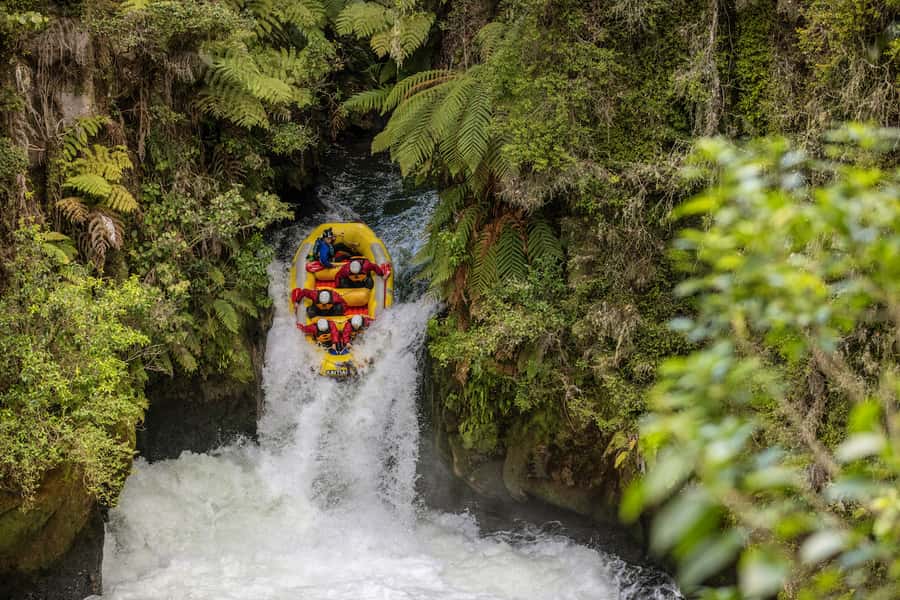
The Kaituna River runs through steep, bush-covered canyons, giving the trip more character than a basic artificial course. The surrounding forest closes in around the water, and the river’s twists create frequent changes in view.
The 14 rapids are the main body of the adventure. Some will feel like quick jolts and splashes, while others require more attention to the guide’s commands. You paddle, brace, hold on, and work with the rest of the raft. The reward is not just the largest fall. It is the changing rhythm of the full run.
Three waterfalls mark the route. The river may calm briefly between them, giving you a moment to look around and appreciate the native forest. The canyon walls also create good scenic viewpoints, though you should not expect long stops for sightseeing. This is an active trip, and the scenery passes at water level.
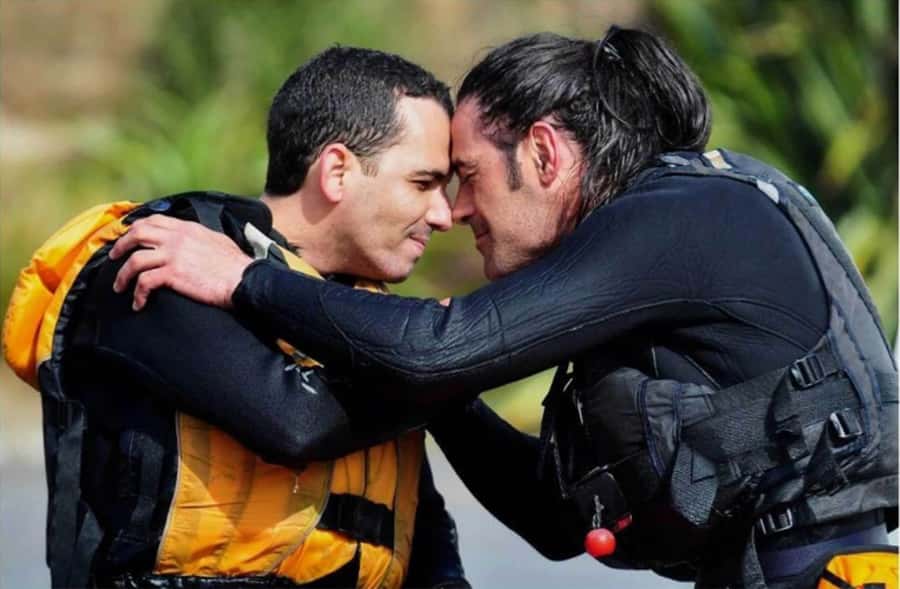
The cultural element adds meaning to the setting. Kaitiakitanga is introduced as a Māori way of thinking about guardianship and protection of the land. That idea fits naturally here because the river, forest, and canyon are not just scenery around the activity. They are the reason the activity exists.
Do not expect a long cultural presentation or a full Māori performance. The cultural material is woven into the rafting experience through the guides and the place itself. For many people, that is the right amount: enough context to understand the river better without turning an action activity into a lecture.
More White Water Rafting in Rotorua:
- Kaituna River and Tutea Falls Whitewater Rafting
★ 4.9 · 324 reviews - Rotorua Sledging White Water Sledging | Kaitiaki Adventures
★ 5.0 · 90 reviews - Rotorua Sledging: Kaituna White Water River Board Experience
★ 4.8 · 36 reviews - Half Day Whitewater Rafting Trip
★ 5.0 · 1,840 reviews
The big moment at Tutea Falls
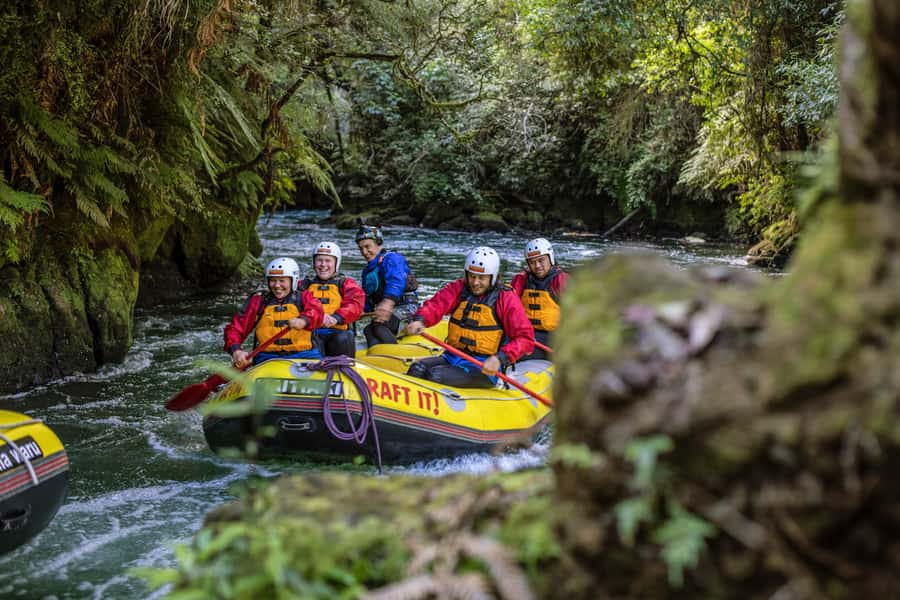
Tutea Falls is the reason many people choose this trip over a standard rafting run. At 7 metres, it is promoted as the highest commercially rafted waterfall in the world. The raft drops over the lip, and the group must follow the guide’s instructions closely.
You can expect a rush of nerves before the fall. That is normal, and the guide’s job is to turn those nerves into useful attention. Listen carefully, keep your body where instructed, and take the safety briefing seriously.
The fall is thrilling, but it is also the part that makes this activity unsuitable for anyone looking for a mild outdoor excursion. One person described being frightened before the trip and later calling it the best activity of a North Island visit. Another enjoyed going over the fall without the raft during an optional swim. Those accounts show how much the experience can vary by group and guide.
Some groups may get extra chances to enjoy the water, such as a swim down a waterfall or time near the rapids, but you should not treat those moments as guaranteed extras. Conditions, safety, and the guide’s judgment control what happens.
The activity can finish quickly once the main fall is behind you. A few people wished the river section lasted longer, which is worth keeping in mind when judging the $83 price. You are paying for an organized, fully equipped experience with transport, instruction, safety oversight, and access to a famous waterfall, not for several hours of continuous paddling.
How much value do you get for $83?
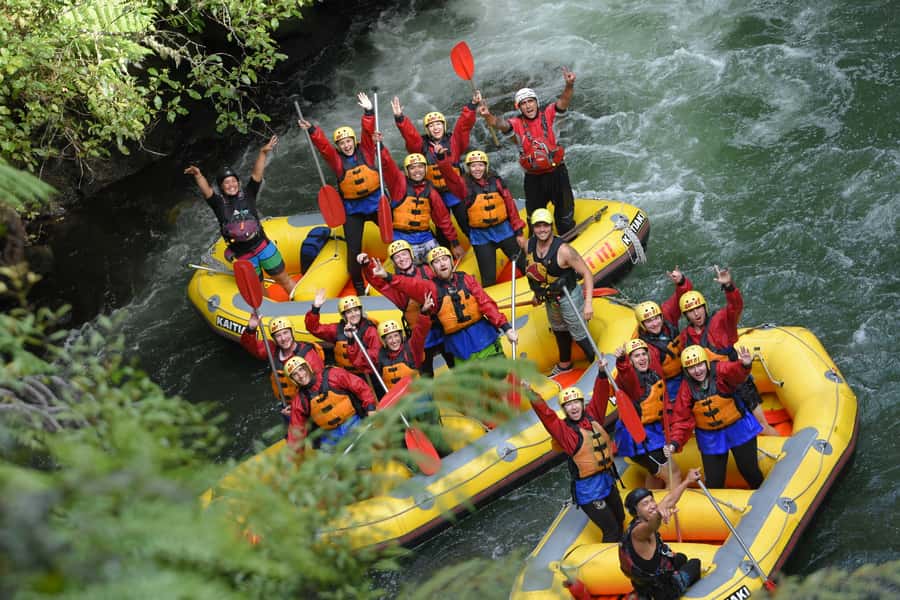
At $83 per person, the price is reasonable for a guided half-day adventure in Rotorua. It includes hotel pickup and drop-off, transport to the river, local guides, the rafting run, wetsuits, booties, splash jackets, helmets, and life jackets.
The price looks particularly fair if you use the courtesy transport. You avoid arranging a separate taxi or rental car, and the operator handles the practical work of getting you from the city to the river and back.
Food and drinks are not included. This is not a major issue because the activity lasts only a few hours, but you should eat beforehand and bring water for afterward. Photos also cost extra. You can buy individual images or the full album at the base, or order them online once you are home.
The photo option may be worthwhile here. Your hands are busy, the spray is constant, and the most important moments are difficult to capture yourself. One person found the photos reasonably priced and bought them after the trip. If you are watching your budget, decide in advance how much you want to spend so the excitement of the finish does not make the choice for you.
Who will enjoy this Rotorua rafting trip?
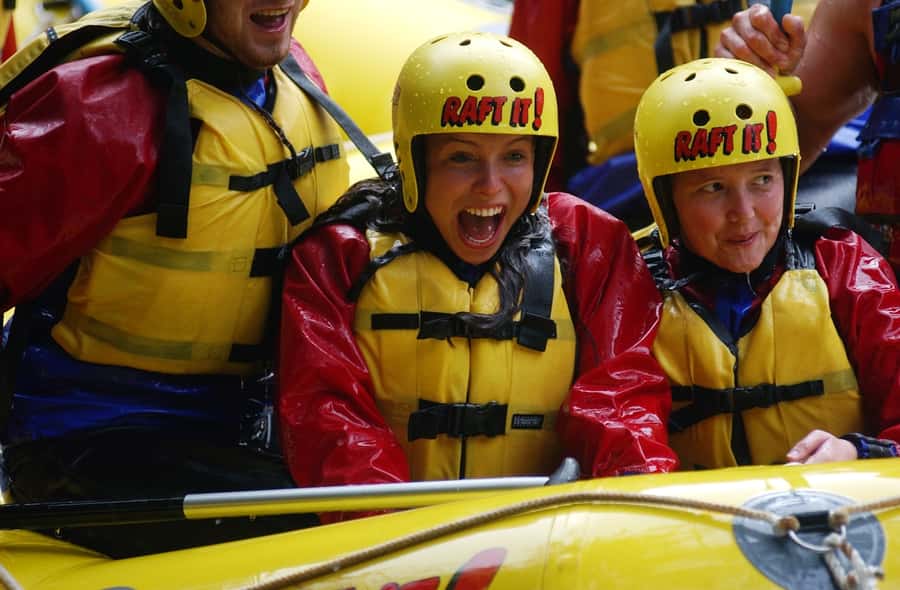
This is a strong choice if you want an active Rotorua experience that combines scenery, Māori ideas, and a clear headline attraction. First-time rafters are well supported, and the minimum age of 13 makes it suitable for many families with teenagers.
It also works for experienced rafters who want a memorable waterfall run. The guides keep the instructions clear, while the rapids and Tutea Falls provide enough force to make the trip feel substantial.
I would be more cautious if you dislike cold water, heights, sudden movement, or being part of a team. You will need to follow commands quickly and accept that the raft may move in ways you cannot control. The trip is designed to be safe, but safety does not mean gentle.
Older participants have taken part successfully, including people in their late sixties and seventies. That does not guarantee the activity will suit every older person, but it shows that age alone is not the deciding factor. Your comfort with the physical demands matters more.
Practical tips for a smoother day
- Wear swimwear under the supplied gear. You will get wet, and changing afterward is easier.
- Bring a towel and jacket. The towel is essential after the river, and the jacket helps during transport and at the base.
- Arrange pickup early. Add your central Rotorua accommodation when booking and double-check the meeting details.
- Allow 3.5 hours door to door. The listed 150 minutes does not fully describe the time if you use hotel transport.
- Eat before you go. Food and drinks are not included.
- Leave loose valuables behind. Lock boxes are available at the base, but rafting is not the place for phones, jewelry, or loose sunglasses.
- Listen closely before Tutea Falls. The safety talk and guide commands matter most at the major drop.
- Consider the photo package. You can buy photos at the base or online after returning home.
- Ask before bringing a GoPro. Chest mounts may be permitted, but the guide decides.
The tours operate with English and Japanese-speaking guides. That gives some visitors extra comfort during the safety briefing, when understanding each command clearly is important.
Should you book the Kaituna River rafting experience?
Book it if you want one of Rotorua’s biggest adrenaline activities and like the idea of pairing whitewater with Māori cultural context. The combination of 14 rapids, three waterfalls, native forest, and Tutea Falls gives the outing a clear sense of place.
I especially recommend it for first-timers who are nervous but curious. The guide team has a strong record of helping people settle down, and the pre-trip practice gives you useful tools before the river gets serious. Guides such as Aoife, Kyle, Jack, Ben, and Reiya are repeatedly praised for being friendly, alert, and good at building confidence.
Skip it if you want a dry, quiet sightseeing trip or if a 7-metre waterfall sounds like a firm no. Also skip it if your schedule cannot spare the full hotel-to-hotel time. For everyone else, $83 buys a well-organized, wet, memorable piece of New Zealand adventure, with a cultural connection that keeps it from feeling like a generic amusement ride.
FAQ
How long does the rafting experience last?
The listed activity duration is 150 minutes. With hotel pickup and drop-off, the complete outing takes approximately 3.5 hours.
How much time do I spend on the river?
The rafting experience includes about one hour on the water. The full rafting portion, including preparation and transport, is approximately 1.5 hours.
What is the price?
The price is $83 per person.
Is hotel pickup included?
Yes. Courtesy pickup and drop-off are available from central Rotorua accommodation, including the Rotorua i-SITE Visitor Information Centre. You should provide your pickup location when booking.
Can I drive to the rafting base?
Yes. The base is about 15 minutes from Rotorua city center and has plenty of free parking.
What should I bring?
Bring comfortable shoes, swimwear, a towel, and a jacket. Changing rooms with lock boxes are available onsite.
What equipment is provided?
The operator provides river gear and safety equipment, including life jackets, wetsuits, booties, and splash jackets.
Is there a minimum age?
Yes. Participants must be at least 13 years old. The activity is not suitable for pregnant women.
Are photos included?
No. Photos cost extra and can be purchased individually or as a full album at the River Base or online after the trip.
Just added around Rotorua
- Rotorua Sledging: Kaituna White Water River Board Experience★ 4.8 · 36 reviews
- Rotorua: Kaituna Rafting & Mt. Tarawera Guided Hike Combo★ 4.5 · 11 reviews
- Rotorua: Tarawera River Raft and Kayak Adventure★ 5.0 · 2 reviews
- Rangitaiki Rafting Grade 2★ 4.8 · 6 reviews
- Rangitaiki Rafting Grade 3-4★ 4.7 · 16 reviews
- Kaituna River Rafting Grade 5★ 4.9 · 36 reviews
- Rotorua Sledging White Water Sledging | Kaitiaki Adventures★ 5.0 · 90 reviews
- Kaituna River and Tutea Falls Whitewater Rafting★ 4.9 · 324 reviews
White Water Rafting, compared.
Rotorua Rafting: Kaituna River White Water Rafting & Free Sauna
Read our review →
Barron Gorge White Water Rafting from Cairns or Port Douglas
Read our review →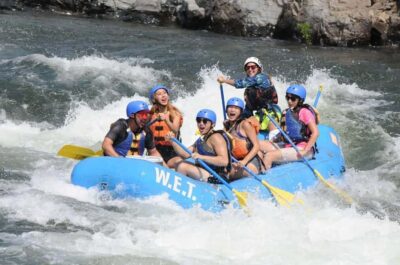
ATV Quad Bike & White Water Rafting Adventure
Read our review →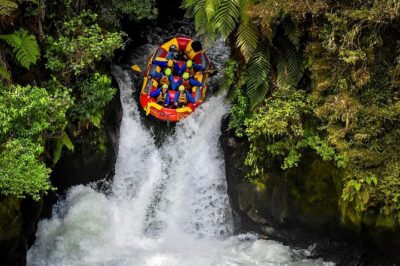
White Water Rafting – Kaituna Cascades, The Originals
Read our review →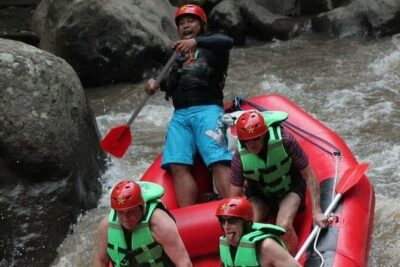
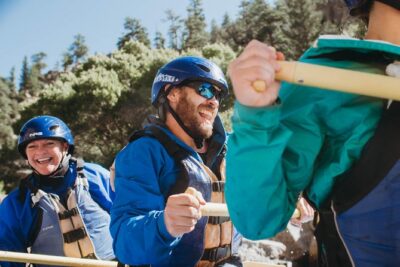
Köprülü Canyon Antalya: Whitewater Rafting Trip
Read our review →The lists this trip appears in