
Review · NEW ZEALAND RAFTING TOURS
Rangitaiki Rafting Grade 3-4
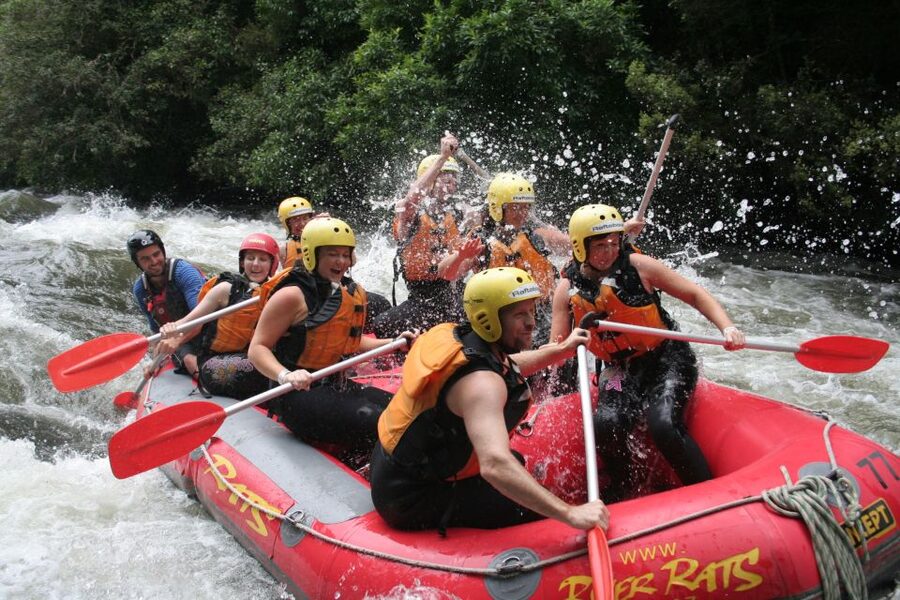
Hold on tight, the Rangitaiki gets lively fast. This six-hour rafting trip takes you 14 kilometers through mostly Grade 3 rapids, with one Grade 4 section adding a sharper burst of excitement. I like the mix of real whitewater and quiet river scenery, and I like that about 80 percent of participants are first-time rafters. The main drawback is water level: in low conditions, you may bump over rocks or get briefly stuck.
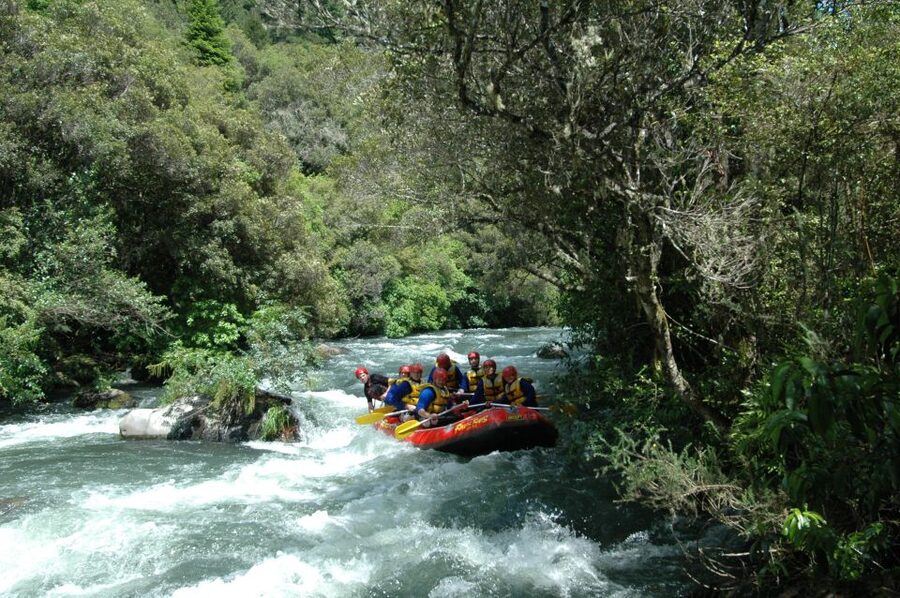
The trip runs through a beautiful river valley lined with native and plantation forest. You work as a team, follow paddle commands, and get a calm stretch halfway through for a swim or a chat. Guides Jason and Brony have been praised for building confidence and handling low water well, though one review noted that communication could be better at times.
This is an active outing rather than a scenic float. You need to paddle, listen, and be comfortable with some physical effort. At $117 per person, the price includes equipment, instruction, a light lunch, and central Rotorua pickup, so I see it as solid value for a half-day adventure.
Key points at a glance
- Mostly Grade 3 whitewater: You get plenty of bouncy rapids without a full day of extreme rafting.
- One Grade 4 rapid: Geoff’s Joy provides the biggest rush on the route.
- 14 kilometers of river: The trip gives you enough time to settle into the boat and learn how the river works.
- 15 to 20 minutes of training: You practice paddle and safety commands on flat water before the serious rapids begin.
- A quiet break halfway through: About 15 minutes of flat water lets you rest, swim, and take in the forest valley.
- Good for active first-timers: The minimum age is 10, with extra conditions for children under 13.
Why the Rangitaiki River is a good rafting choice
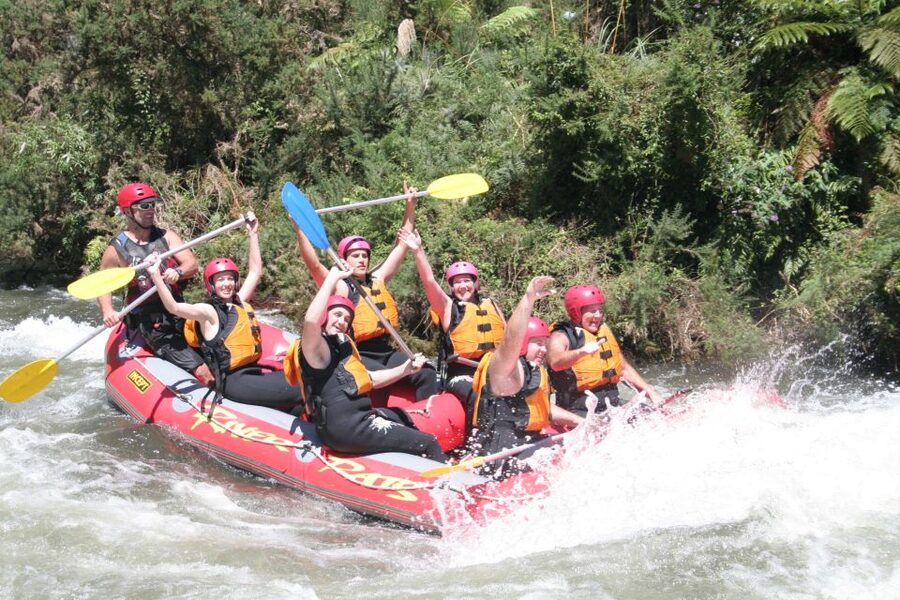
The Rangitaiki rafting route offers a useful middle ground. You get proper whitewater, but the trip is not built around nonstop fear or technical racing. Most of the rapids are Grade 3, which means you should expect strong bumps, splashes, teamwork, and moments when the raft tips into a steep current.
The single Grade 4 rapid, Geoff’s Joy, gives the day a clear high point. You will not spend the whole trip wondering when the hardest section arrives. Instead, you can learn the basic skills first, enjoy the smaller rapids, and build confidence before reaching the more demanding water.
I like this setup for people who want an exciting New Zealand activity without committing to an expert-level trip. You still need to pay attention. The river does not run on autopilot, and your raft depends on everyone paddling together.
The scenery also helps balance the action. Native forest and plantation forest follow the river valley, giving you something to look at during calmer water. This is not simply a thrill ride with the view blurred by spray. You get stretches where you can notice the shape of the valley and enjoy the wild setting.
More Rafting Tours in Rotorua:
- Rotorua Rafting: Kaituna River White Water Rafting & Free Sauna
★ 5.0 · 1,952 reviews - Rafting Rotorua: Kaituna River White Water Experience
★ 4.9 · 1,274 reviews - Rafting Rotorua Kaituna White Water Rafting | Kaitiaki Adventures
★ 5.0 · 759 reviews
Starting near Rotorua with a short transfer
If you are staying in central Rotorua, complimentary pickup is available at about 10:30 am for the 11:30 am start at the rafting base. The drive from Rotorua takes roughly 45 minutes, so the transfer saves you the trouble of arranging your own transport.
The road journey also makes the timing easy to understand. The advertised six-hour duration includes the wider outing, but time on the water is about one hour and 45 minutes. Allow three and a half to four hours for the activity itself, not counting travel. From Taupo, the drive takes about one hour.
At the base, you will prepare for the river and receive your safety briefing. The timing gives you a late-morning start rather than an early alarm, which suits a relaxed Rotorua day. You could pair it with other sightseeing before or after, but remember that rafting leaves you wet and ready for a towel.
The pickup is listed for central Rotorua accommodation. If you are staying outside the central area, check transport arrangements before booking rather than assuming the transfer covers every address.
Training on flat water before the rapids
The 15 to 20 minute briefing is one of the most important parts of the experience. You learn the paddle commands and safety instructions before heading into the main current. Practice takes place on flat water, so you can focus on the guide rather than trying to remember commands while the raft bounces through rocks.
This training matters because rafting is a group activity. Your own paddle stroke is only one part of the result. If the guide calls for a forward paddle, everyone needs to respond. If the raft needs to slow, shift, or react to a rapid, the boat works best when people listen and move together.
The guides have earned strong praise for making people feel safe and prepared. Christine described the briefing as professional and clear, while Louis found the trip accessible and confidence-building. Jason and Brony were also singled out for their friendly approach and practical handling of difficult low-water conditions.
One point deserves balance. A review mentioned that communication could be improved. That does not cancel out the generally positive safety feedback, but it is a useful reminder to ask questions if you are unsure about a command or procedure. You should never feel awkward about asking a guide to repeat an instruction.
What the 14 kilometer route feels like
Once training is finished, the river begins with fun, bouncy rapids. Grade 3 water usually gives you enough force to make the raft move sharply, but it also leaves room for the guide to direct the boat and the crew to respond.
I would expect the first part of the route to be about finding a rhythm. You learn how your raft moves, how quickly the water changes, and how much effort each command requires. The rocky sections make teamwork important, especially when the water level is low.
Low water can change the feel of the trip. Stacy enjoyed the run but noted that the raft got stuck on rocks several times because the river was low. The guides managed to free the boat, yet these pauses can make the outing less smooth and less intense than it might be at a higher level.
That is not necessarily a bad thing for first-timers. A slower section gives you a moment to reset and take in the surroundings. If you want the strongest whitewater possible, ask about current river conditions before you go. If you prefer a little more time to understand the boat, lower water may feel less intimidating, though it can also mean more scraping over rocks.
The river covers 14 kilometers, so you get a proper route rather than a short sampler. The distance allows the trip to alternate between active rapids and calmer water. You will not be paddling hard every minute.
Same river country, a gentler way down it:
- Rotorua Rafting: Kaituna River Rafting Experience-Free Sauna
★ 4.9 · 401 reviews - Kaituna River White Water Rafting from Rotorua
★ 5.0 · 388 reviews - Kaituna River and Tutea Falls Whitewater Rafting
★ 4.9 · 324 reviews - Rotorua Sledging White Water Sledging | Kaitiaki Adventures
★ 5.0 · 90 reviews
Geoff’s Joy and the main burst of adrenaline
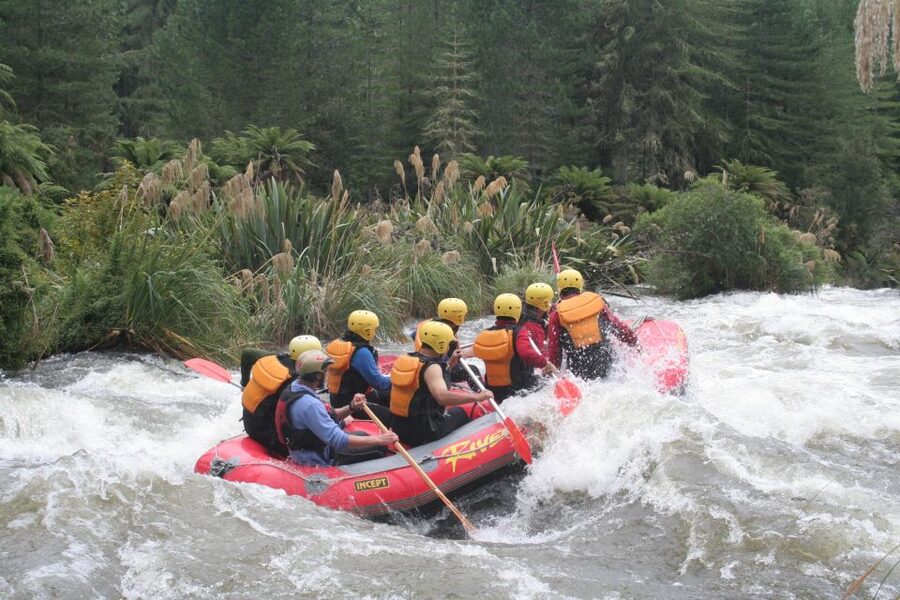
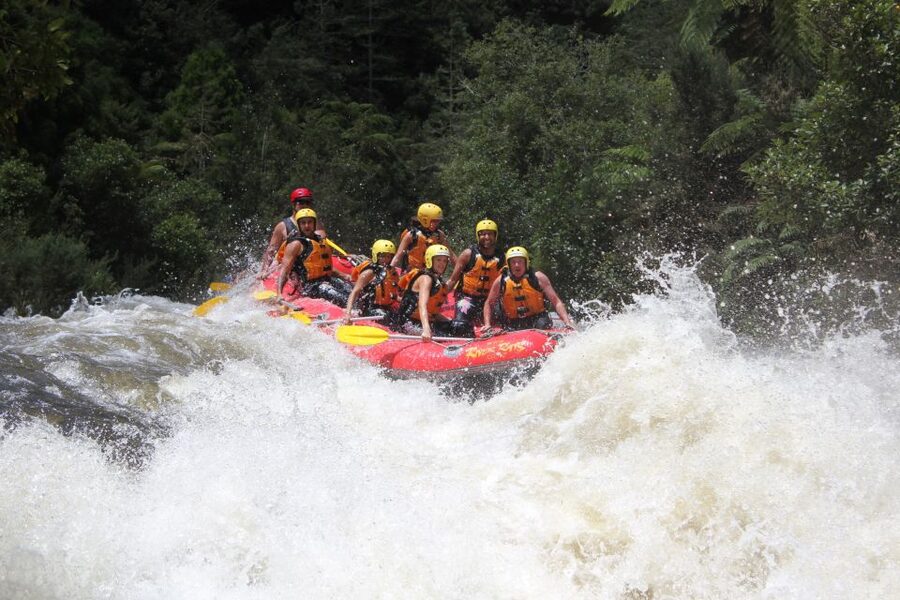
Geoff’s Joy is the named highlight of the route. It is the one Grade 4 rapid on a trip that is otherwise mainly Grade 3. That change in grade gives the run a clear moment of extra focus.
You should expect the guide to prepare the raft before entering it. Your job is to listen closely, hold on properly, and paddle when told. The exact feel depends on river conditions, but the rapid is intended to provide the biggest rush of the day.
Vadym described the trip as pure adrenaline and great fun, which captures the appeal of this section. Still, the experience is not only about Geoff’s Joy. The smaller rapids are what give you the chance to practice, laugh, and improve before the main challenge.
If you are nervous, remember that first-time rafters make up around 80 percent of the usual participants. You will not be expected to arrive with technical rafting skills. You will be expected to pay attention and contribute.
The halfway rest on calm water
About halfway through the trip, the river settles for roughly 15 minutes. This flat-water section is more useful than it may first sound. After the early rapids, you can rest your arms, talk with the guide, and compare notes with the rest of your raft.
You can also swim if you wish. The option is there, but it is not something you have to do. I like having a quiet pause built into an active outing because it keeps the day from becoming one long physical push.
This is also your best chance to notice the forest views. The native and plantation forest along the valley creates a different mood from the rapids. You may find yourself watching the riverbanks, looking up at the surrounding trees, or simply enjoying a few quiet minutes before the next run of whitewater.
The break makes the trip more approachable for people who are active but not regular rafters. You still need stamina, but you get a genuine pause rather than only brief moments between rapids.
Equipment, lunch, and the real value of $117
The $117 price includes specialist rafting equipment, full training, a light lunch, and complimentary pickup from central Rotorua accommodation. That package makes the cost easier to justify because you do not need to rent the main gear separately or arrange a transfer from the city.
The value depends on how you measure the day. You receive about one hour and 45 minutes on the water, plus preparation, transport, and time at the base. It is not six hours of continuous rafting, so you should not book it expecting an all-day river expedition.
For a first whitewater experience near Rotorua, I think the price is reasonable. The guide instruction is a major part of what you are paying for. So is the safety equipment and the chance to raft a natural river route rather than a simple amusement ride.
Bring swimwear and a towel. Towel hire is possible for a small charge, but you need to request it ahead of time. A light lunch is included, though the available information does not specify the exact menu, so bring any extra food you require for dietary reasons only after checking with the operator.
Who should book this rafting trip
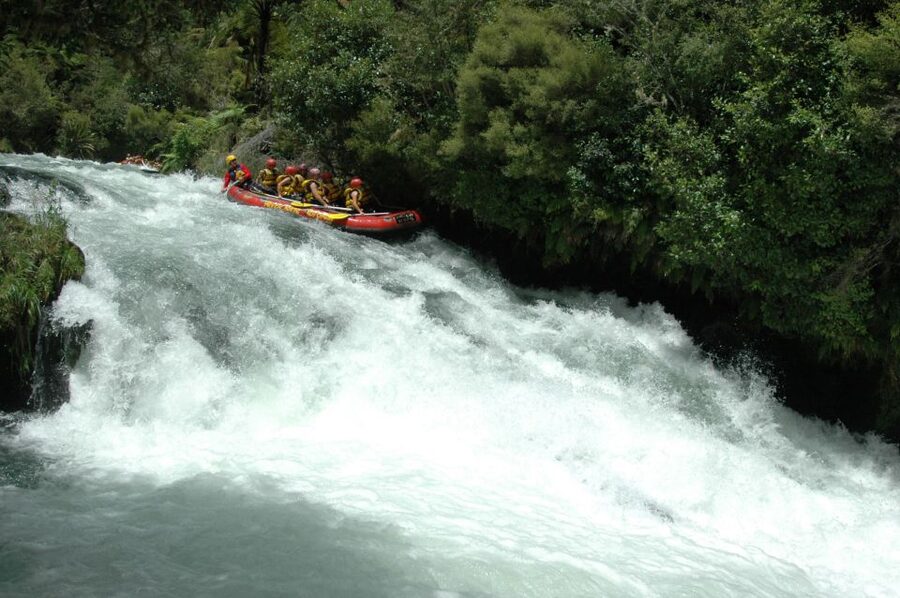
This trip suits you if you are physically active, open to teamwork, and curious about whitewater but not ready for an expert-only run. The Grade 3 to Grade 4 range provides real excitement, while the training makes it approachable for people who have never held a paddle in a raft.
The minimum age is 10. Children under 13 must be with an adult, able to walk a short section of about 150 meters near the beginning, and taking part when the water gauge is below 7.0. The operator also gives a recommended minimum weight of 40 kilograms and a maximum of 125 kilograms.
You should not book if you are pregnant, have a mobility impairment, or weigh more than 125 kilograms. The short walking section matters for younger participants, and the activity involves physical movement, wet conditions, and rapid changes in the river.
The trip can work well for couples, families with older children, and small groups of friends. It is less suitable if one person in your party dislikes getting wet, following instructions, or taking part in group exercise. Everyone in the raft has a role.
Safety, water levels, and the low-water tradeoff
River rafting always carries some risk, even with strict safety procedures. You will need to sign a liability waiver, and you should take the safety talk seriously rather than treating it as a formality.
The water level can affect the character of the route. Higher water may make the rapids faster and more forceful. Lower water may reduce some of the speed but increase the chance of scraping or getting stuck on rocks. Stacy’s April outing showed how low water can create several brief stops, although the guides handled the problem effectively.
I would ask about current conditions if the level of excitement matters to you. The experience remains worthwhile in lower water, but expectations should be realistic. You may get more riverbank scenery and less continuous action.
The best safety habit is simple: listen carefully, keep your equipment on as instructed, and tell the guide if you do not understand a command. The professional tone praised by Christine and the calm problem-solving noted by Stacy are reassuring, but your own attention still matters.
Booking details worth knowing
The activity is operated by River Rats Raft & Kayak, with instruction in English. Pickup from central Rotorua is possible, usually leaving at 10:30 am for an 11:30 am base start.
You can cancel up to 24 hours before the activity for a full refund. Since water conditions may influence the feel of the route, that flexibility is useful if your plans change.
Pack only what you need for the river. Swimwear and a towel are the key items. The supplied information does not specify group size, so ask the operator if the number of people in your raft is important to you.
FAQ
How difficult is the Rangitaiki rafting trip?
The trip is mostly Grade 3, with one Grade 4 rapid called Geoff’s Joy. It requires physical effort, teamwork, and careful attention to the guide’s commands.
Is this rafting experience suitable for beginners?
Yes. Around 80 percent of participants are first-time rafters, and you receive 15 to 20 minutes of instruction and practice on flat water before entering the main rapids.
How long are you on the water?
You spend about one hour and 45 minutes on the water. The full activity takes about three and a half to four hours, excluding travel time.
How far is the rafting route?
The route covers 14 kilometers along the Rangitaiki River.
What is included in the price?
The $117 price includes specialist equipment, full training, a light lunch, and complimentary transfers from central Rotorua accommodation.
Is pickup available from Rotorua?
Yes. Pickup from central Rotorua accommodation is possible at about 10:30 am, with the activity starting at the base around 11:30 am.
What should I bring?
Bring swimwear and a towel. Towel hire is available for a small charge, but you must request it in advance.
What is the minimum age?
The minimum age is 10. Children under 13 must be accompanied by an adult, able to walk about 150 meters near the start, and taking part when the water gauge is below 7.0.
Can I cancel for a refund?
Yes. You can cancel up to 24 hours in advance for a full refund.
Should you book Rangitaiki rafting?
I would book this trip if you want a genuine river adventure near Rotorua, especially if you are new to rafting but still want meaningful rapids. The strong safety preparation, forest scenery, team element, and one Grade 4 highlight give the day a good balance.
Go in knowing that river conditions matter. Low water can mean scraping over rocks and short delays, while the trip is active enough to rule out anyone looking for a gentle float. For fit adults, older children who meet the conditions, and anyone keen to try whitewater without signing up for an extreme expedition, Rangitaiki Grade 3 to 4 rafting is a sound choice at $117.
Just added around Rotorua
- Rotorua Sledging: Kaituna White Water River Board Experience★ 4.8 · 36 reviews
- Rotorua: Kaituna Rafting & Mt. Tarawera Guided Hike Combo★ 4.5 · 11 reviews
- Rotorua: Tarawera River Raft and Kayak Adventure★ 5.0 · 2 reviews
- Rangitaiki Rafting Grade 2★ 4.8 · 6 reviews
- Kaituna River Rafting Grade 5★ 4.9 · 36 reviews
- Rotorua Sledging White Water Sledging | Kaitiaki Adventures★ 5.0 · 90 reviews
- Rotorua Rafting: Kaituna River Rafting Experience-Free Sauna★ 4.9 · 401 reviews
- Kaituna River White Water Rafting from Rotorua★ 5.0 · 388 reviews
Rotorua Rafting Tours, compared.
Rotorua Rafting: Kaituna River White Water Rafting & Free Sauna
Read our review →
Rafting Rotorua: Kaituna River White Water Experience
Read our review →
Rafting Rotorua Kaituna White Water Rafting | Kaitiaki Adventures
Read our review →
Rotorua Rafting: Kaituna River Rafting Experience-Free Sauna
Read our review →
Kaituna River and Tutea Falls Whitewater Rafting
Read our review →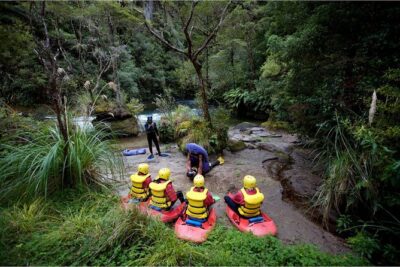
Rotorua Sledging White Water Sledging | Kaitiaki Adventures
Read our review →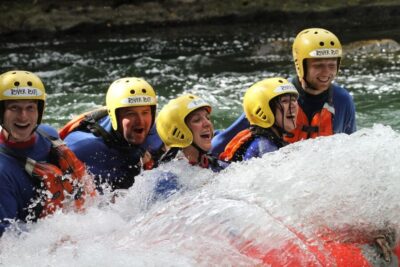
The lists this trip appears in