
Review · NEPAL RAFTING TOURS
Rafting in Nepal: Trishuli, Bhotekoshi & Other River Rafting
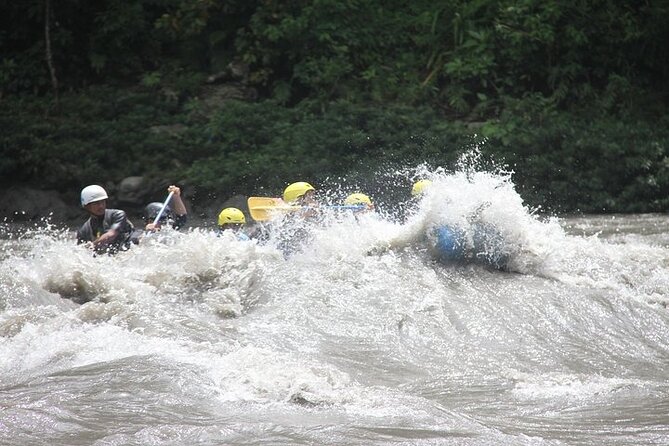
White water, short drive, big day. Nepal rafting gives you a lively break from Kathmandu without sending you deep into the wilderness. The Trishuli option offers manageable Class II and III rapids, warm water, hill views, guides, lunch, and hotel pickup. I especially like the return transport and included Nepali meal, which make this a fairly simple day out. The main caution is transport: public buses can be crowded and slow, while road conditions may stretch the day well beyond the advertised timing.
You can also choose the Bhote Koshi River, a much tougher run with Class III to V rapids and narrow gorges. I like that the operator offers a choice between private transport and a tourist or public bus, subject to availability. Still, the lower price only feels like good value if you select transport that matches your comfort level and allow extra time for Nepal’s rough roads.
Key points before you book
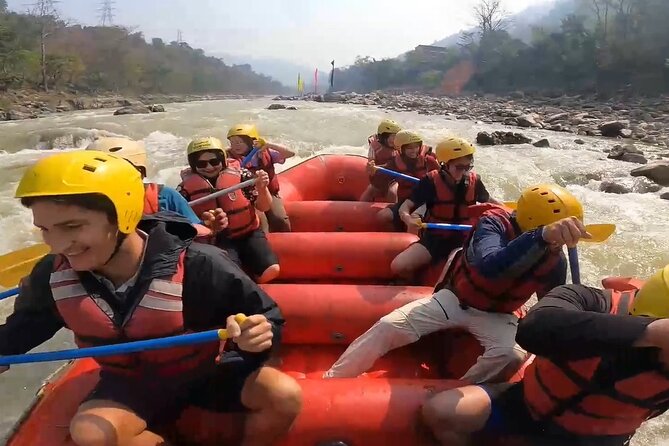
- Trishuli suits first-time rafters, with Class II and III rapids and relatively warm water.
- Bhote Koshi is the serious option, with Class III to V rapids for stronger swimmers and experienced rafters.
- Hotel pickup and return transport are included, but the ride can be long, crowded, or uncomfortable by public bus.
- Lunch is part of the package, with a typical Nepali meal served during the day.
- The group limit is 15 people, small enough for guides to keep a close eye on the boat.
- The $90 price includes the main rafting costs, transport, lunch, and a safety briefing, but not insurance or personal spending.
Choosing between Trishuli and Bhote Koshi
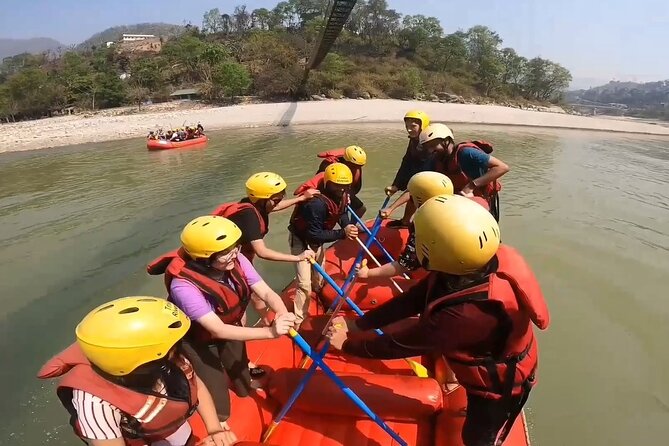
The most important decision is not the price. It is the river.
The Trishuli River is the sensible choice for a first rafting trip, a mixed group, or anyone who wants a day of action without committing to an extreme run. Its Class II and III rapids provide plenty of movement, splashing, and teamwork, but the route is described as suitable for beginners. The river also has a flow that allows rafting during most seasons, which gives you more flexibility when planning a Nepal trip.
The Bhote Koshi is a different proposition. Its rapids range from Class III to V, so the ride is much more intense. The river passes through narrow gorges, and the day is aimed at people seeking a high-adrenaline experience or those with previous rafting experience. I would not treat it as a casual upgrade from Trishuli. It requires more confidence, better physical readiness, and a greater tolerance for rough water.
The two river options appear to be alternatives rather than two sections you complete in one ordinary day. Trishuli begins around Charaudi, while the Bhote Koshi trip starts at Sukute. Ask clearly which river you are booking before paying, since the difficulty, drive, and feel of the day are quite different.
More Rafting Tours in Nepal:
- Upper Seti: Half-Day White Water Adventure
★ 5.0 · 87 reviews - Pokhara: Half Day Upper Seti Rafting & Paragliding adventure
★ 4.8 · 34 reviews - Himalayan White Water Rafting Day Trip from Kathmandu
★ 4.0 · 22 reviews
The journey from Kathmandu to the river
Your day begins with hotel pickup in Kathmandu, including areas such as Thamel. The journey itself is part of the experience, with hill scenery visible along the road. You will see more of Nepal outside the capital, though you should not expect a quick, polished transfer.
For Trishuli, the drive to Charaudi takes a few hours. For Bhote Koshi, the road to Sukute may take about two and a half hours in better conditions, while other accounts of rafting trips from Kathmandu describe drives closer to four hours. Road construction and traffic can make the timing unpredictable.
This matters because the advertised activity lasts roughly six to 12 hours, but the rafting itself may occupy only part of that period. One account describes more than two hours on the water after a four-hour trip to the river. Another reports a five-hour public-bus ride before rafting. I would plan for a full day and avoid scheduling an important evening activity in Kathmandu.
The transport choice can change the quality of the day. Private transport costs more if it is an upgrade, but it gives you more control and comfort. The public or tourist bus option can reduce expense, yet it may be crowded and slow. The provider prioritizes tourist buses when available, but availability is not guaranteed.
Starting at Charaudi for Trishuli rafting
At Charaudi, you receive a safety briefing from the rafting guides before entering the river. This is an important part of the trip, not a box to tick. You should expect instructions on paddling, boat balance, what to do in a rapid, and how to respond if someone falls into the water.
The Trishuli route is the better introduction because the rapids are moderate. You still need a reasonable level of fitness, but you do not need to be an expert paddler. The river offers enough action to keep the boat busy while leaving room to enjoy the setting.
The water is described as relatively warm, which is a real benefit. Rafting can lose its appeal quickly when cold water turns every splash into a shock. Here, the climate and river conditions should make the ride more comfortable, though you should still follow the guide’s clothing and safety advice.
The scenery is one of the strongest parts of this option. The route passes through Nepal’s hills and valleys, with clear water and a natural setting far removed from Kathmandu’s traffic. I would keep some attention on the river, of course, but the calmer stretches give you a chance to look up and enjoy the views.
What the Trishuli rapids feel like
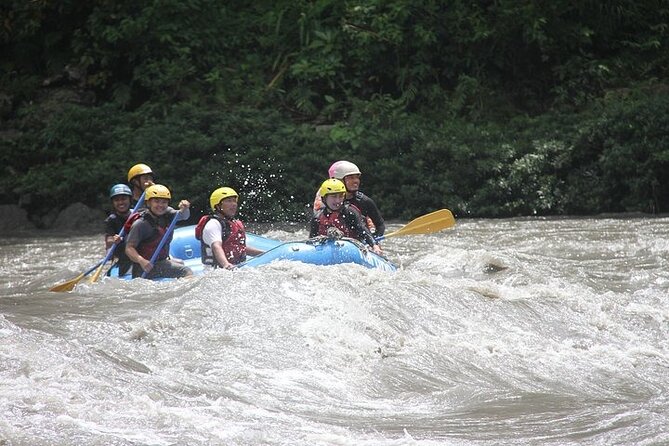
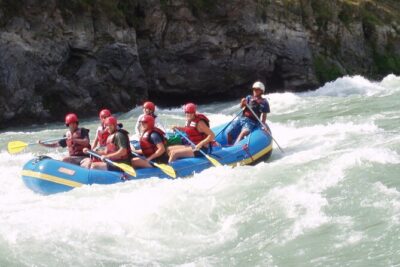
Class II and III rapids are active but generally approachable. You will paddle as a team, brace yourself through rougher sections, and get wet. The excitement comes from the combination of movement, water, and the guide’s commands, rather than from an all-out test of nerve.
That balance makes Trishuli a strong fit for a first rafting day. A group can include people with different levels of experience without forcing the entire boat into an extreme outing. It also works well for visitors with limited time in Nepal who want more than another city tour.
The drawback is duration. Some descriptions suggest the time on the water can be relatively short compared with the long road journey. If you are booking specifically for hours of rafting, ask how long the planned river section will be on your date. If you see the activity as a full day combining travel, scenery, lunch, and a few hours of river action, the value is easier to understand.
Same river country, a gentler way down it:
- 1 Night 2 Days Trishuli River Rafting Trip From Kathmandu With Private Car
★ 5.0 · 14 reviews - Pokhara: Upper Seti River Rafting Day Tour
★ 4.9 · 11 reviews - Pokhara: Seti River Rafting Adventure with Hotel Pickup
★ 5.0 · 5 reviews - Rafting Tour In Trishuli river
★ 4.0 · 5 reviews
Taking on the Bhote Koshi at Sukute
The Bhote Koshi begins at Sukute and offers a sharper rush. The Class III to V rapids demand more from the group, and the narrow gorges add to the sense of speed and confinement. This is the river for you if the main point of the day is challenging white water.
The safety briefing becomes even more important here. Listen closely and follow every instruction from the guide. The operator uses trained guides, but no rafting trip can remove the basic risks of fast water. The supplied information recommends a moderate level of physical fitness for the activity, and Bhote Koshi calls for more confidence than the easier Trishuli option.
The Bhote Koshi trip can also be affected by season and group size. One account describes an off-season boat with staff filling empty places, which helped maintain the group’s energy and support on the water. With a maximum of 15 people, the group should remain manageable, though the exact boat arrangement may depend on the day’s numbers.
I would choose Bhote Koshi only after confirming the difficulty level and the transport plan. If you are new to rafting, prefer a relaxed outdoor day, or are traveling with mixed abilities, Trishuli is the safer match. If you specifically want stronger rapids and already feel comfortable with demanding outdoor activities, Bhote Koshi is the more exciting choice.
Lunch, gear, and what the $90 covers
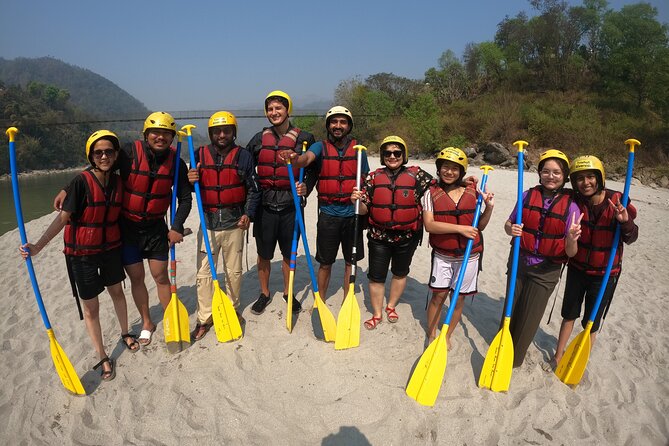
The $90 price includes the rafting expense, hotel pickup and drop-off, transport to the river, transport from the ending point back toward the starting area, and a typical Nepali lunch. The package also includes the safety briefing and the equipment needed for the rafting activity.
That bundle gives the price reasonable value, especially if you are staying in Kathmandu and would otherwise need to arrange transport, a rafting company, and lunch separately. The return transfer is particularly useful because the river ending point is not necessarily the same as the starting point.
Lunch is described as a typical Nepali meal. It is a welcome part of the day after time on the water, though you should not book this as a food-focused outing. Bring money for extra food or personal purchases because those are not included.
Accommodation, travel insurance, extra meals, shopping, and other personal expenses are excluded. I would strongly consider travel insurance that covers adventure activities, since the operator specifically leaves insurance to you.
Safety, fitness, and group size
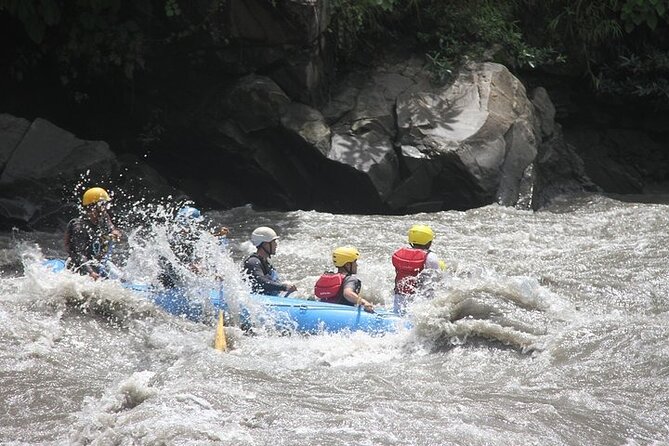
The provider describes the activity as suitable for people with moderate physical fitness. That means you should be able to paddle, hold your position in the raft, and manage a full day that includes a long road journey and time outdoors.
The guides provide a full safety briefing and supervise the rafting. The maximum group size is 15, which is a useful limit. A smaller group usually makes it easier to hear instructions and keep the boat organized, though the number of people in your actual raft is not specified.
Service animals are allowed, and the activity is near public transport, but those details do not tell you much about the practical rafting conditions. If you have any concern about mobility, water confidence, or medical needs, ask the operator before booking. The information only confirms a moderate fitness recommendation, not suitability for every condition.
The transport question you should not ignore
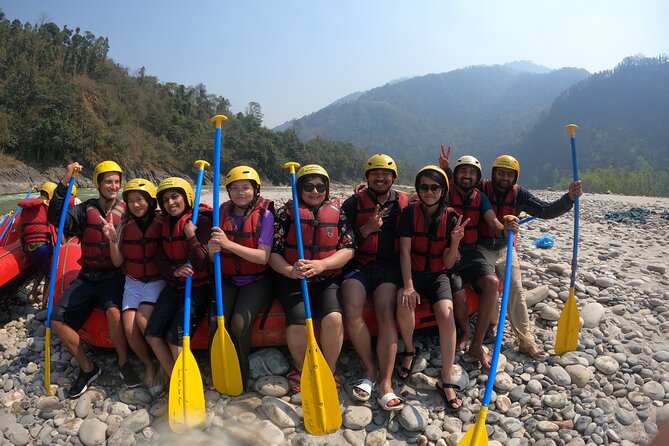
Transport is the weakest part of this experience. A smooth pickup and a comfortable private vehicle can make the day feel well organized. A crowded public bus on rough roads can make the same rafting trip feel tiring before you even reach the river.
The provider offers private transportation or public and tourist bus transportation, depending on your selection and availability. If comfort matters to you, choose private transport when possible. This is especially sensible for families, older participants, anyone prone to motion sickness, or people with a tight schedule.
The road itself is not merely dead time. You get hill views and a look at daily life outside Kathmandu. Still, scenic does not mean comfortable. Allow extra time, carry water, and keep your schedule open at the end of the day.
Who will get the most from this day
I would recommend Trishuli for:
- First-time rafters
- Couples or friends wanting an active day near Kathmandu
- People with only one free day for an outdoor activity
- Groups with mixed experience levels
- Visitors who prefer moderate rapids and warmer water
I would consider Bhote Koshi for:
- Experienced rafters
- Strong, fit people seeking harder rapids
- Anyone who prefers excitement over a gentle introduction
- Groups that understand Class V water can be demanding
This is not the best choice if you want a long, quiet river journey or a luxury day trip. The roads can be rough, the rafting section may feel short compared with the transfer, and the public transport option may test your patience.
Booking, cancellation, and practical planning
You receive confirmation at booking, and the experience can be canceled for a full refund up to 24 hours before the start time. Changes or cancellations inside 24 hours are not accepted for a refund. If poor weather forces the operator to cancel, you are offered another date or a full refund.
I would book with the weather and road conditions in mind. Keep your phone available for pickup details, wear clothing that can get wet, and avoid carrying valuables on the raft. The operator provides protection for personal belongings as part of the day’s arrangements, but it is still wise to bring only what you need.
The mobile ticket is convenient, and hotel pickup reduces the need to find an early meeting point. Confirm whether you selected Trishuli or Bhote Koshi, and confirm the transport type before the day begins.
Should you book this rafting trip?
Book Trishuli if you want a practical, beginner-friendly white-water day with hill scenery, lunch, trained guides, and transport from Kathmandu. The $90 cost is fair when you use the included transfers and meal, especially for a short Nepal visit.
Choose Bhote Koshi only if you want a tougher run and feel ready for Class III to V rapids. In both cases, treat the road journey as part of a long day, not a quick shuttle. My best advice is simple: pay close attention to the transport option, confirm the river, and leave your evening free. Done that way, this is a good way to trade Kathmandu’s noise for clear water, fresh air, and a few hours of real adventure.
FAQ
Where does the rafting trip begin?
The Trishuli trip begins at Charaudi. The Bhote Koshi trip begins at Sukute.
Does the tour include pickup from Kathmandu hotels?
Yes. Hotel pickup and drop-off are included.
Is transport included in the price?
Yes. The package includes private transport if selected, or public or tourist bus transportation, subject to availability. It also includes transport from the river ending point back toward the starting point.
Is lunch included?
Yes. The tour includes a typical Nepali lunch.
What level of fitness is required?
The activity recommends a moderate level of physical fitness.
How many people can join the tour?
The maximum group size is 15 people.
Can beginners go rafting on the Trishuli River?
Yes. The Trishuli rapids are described as Class II and III and are suitable for beginners.
What is the cancellation policy?
You can cancel at least 24 hours before the start time for a full refund. Cancellations or changes made less than 24 hours before the start time are not accepted for a refund. If poor weather cancels the trip, you are offered another date or a full refund.
Just added around Nepal
- Paragliding Trip with River Rafting★ 5.0 · 2 reviews
- 1 Day Rafting Upper Seti River★ 4.5 · 2 reviews
- 1 Day Trishuli Rafting from Pokhara★ 5.0 · 4 reviews
- 1 day Trishuli river rafting★ 5.0 · 2 reviews
- Kathmandu Pokhara & Chitwan Tour with Rafting -8 Days★ 5.0 · 2 reviews
- Trishuli Rafting★ 5.0 · 4 reviews
- A Day Rafting Tour to TRISHULI RIVER★ 3.5 · 3 reviews
- Trishuli River Rafting Day Trip From Kathmandu by Private Car★ 4.5 · 2 reviews
Kathmandu Rafting Tours, compared.
Himalayan White Water Rafting Day Trip from Kathmandu
Read our review →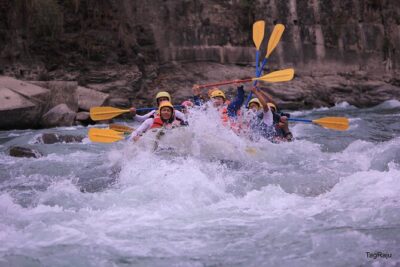
1 Night 2 Days Trishuli River Rafting Trip From Kathmandu With Private Car
Read our review →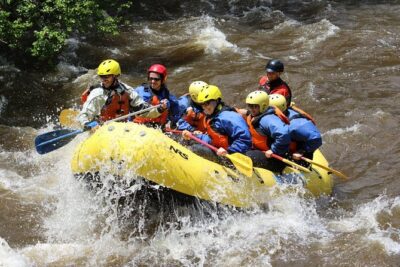
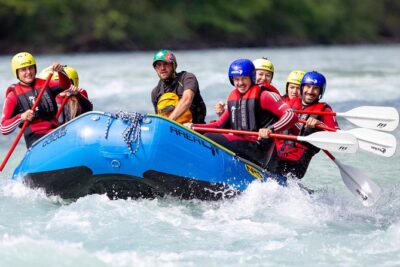
Beginner-Friendly Rafting Adventure on the Trishuli River
Read our review →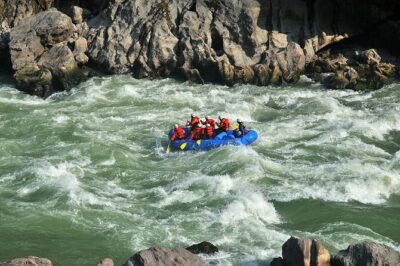
Trishuli River Rafting Day Trip From Kathmandu by Private Car
Read our review →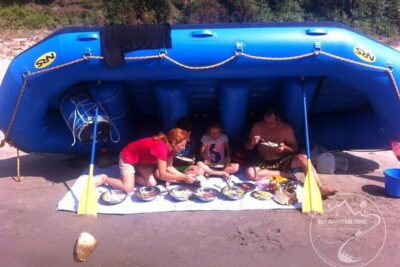
The lists this trip appears in