
Review · COSTA RICA RAFTING TOURS
Pacuare River Whitewater Rafting from San Jose
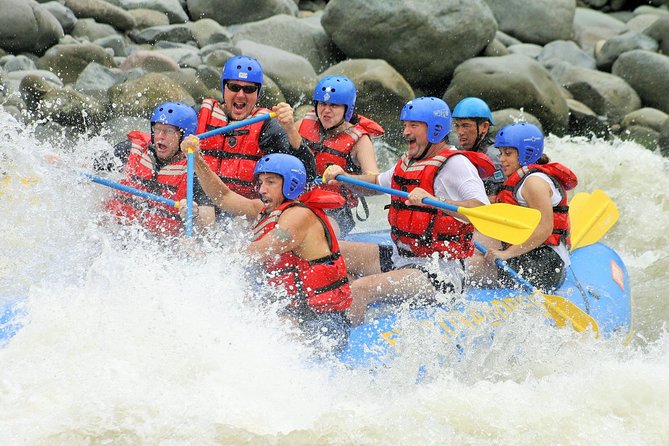
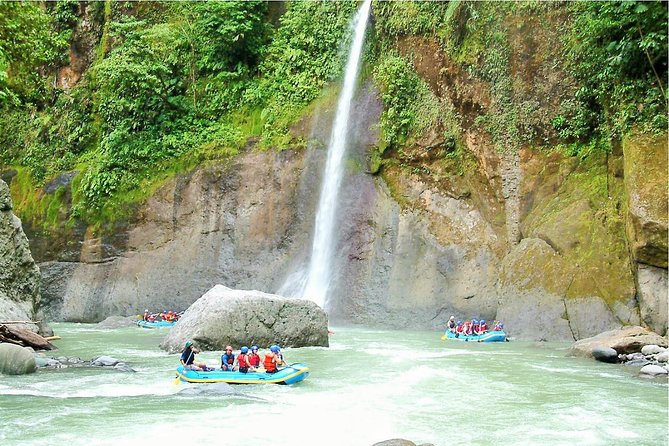
This is one long, wet Costa Rican day. The Pacuare trip combines exciting Class II and III rapids, rainforest scenery, and a striking 150-foot waterfall with useful comforts such as breakfast, lunch, equipment, and hotel transport. I especially like that first-time rafters get clear paddle instruction before the serious rapids, and that guides such as Roberto, Rob, David, Esteban, and Luis are repeatedly praised for their humor, river skills, and calm direction.
The main drawback is the length of the day. A 5:30 a.m. start, several hours on the river, and a potentially slow return to San Jose can make this tiring. River conditions also matter. If the Pacuare is unsafe, the operator may substitute another river, and communication about that change has not always been handled well.
Key points to know before booking
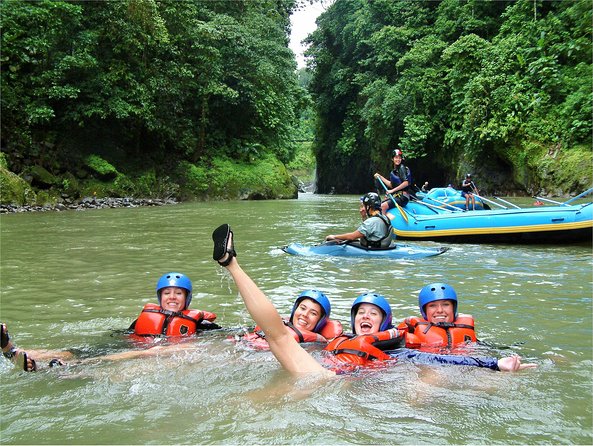
- The Pacuare Gorge is the star: A five-mile stretch brings steep canyon walls, fast rapids, and views of Huacas Waterfall.
- Beginners can join: The opening Class II and III rapids help you learn the basic paddle commands before harder sections.
- You will work for the fun: This is not a passive float. Several hours of paddling require moderate fitness and attention.
- Meals are included: A Costa Rican breakfast starts the early morning, with lunch served during the river day.
- Wildlife is possible, not promised: You might see animals from the raft, but sightings can be distant or absent.
- Plan for a very long return: Road traffic can turn the trip back to San Jose into the least enjoyable part of the day.
Why the Pacuare River makes a strong rafting day
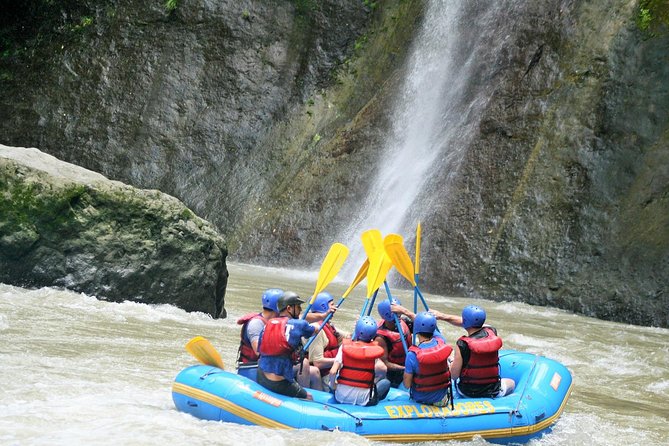
The Pacuare is appealing because it gives you more than a short burst of whitewater. The trip moves through several different moods: an introductory run, a narrow gorge, active rapids in a wider valley, and calmer stretches where you can look around.
That variety matters. You get the thrill of paddling through named rapids, but you also have time to notice the forest, cliffs, waterfalls, and riverbank communities. The scenery is a major part of the experience, not just decoration between rapids.
The advertised price is $119 per person. For a roughly 12-hour outing, that is a solid package if you value convenience. You receive hotel pickup and drop-off, air-conditioned transportation, breakfast, lunch, a professional guide, and rafting equipment. Booking these pieces separately would take more effort and could cost more.
Still, you should judge the price against the energy required. This is a full-day commitment, not a quick activity squeezed between city sightseeing. You are paying for transport from San Jose, meals, river access, instruction, and a substantial guided route.
The tour has a 4.8 rating from 56 reviews, with 95 percent of customers recommending it. The strongest praise centers on the guides, organization, scenery, and food. A small number of serious complaints concern bad-weather substitutions, delayed pickup, road traffic, and poor follow-up about promised photographs.
More White Water Rafting in Costa Rica:
- White Water Rafting Canyoning Combo Maquique Adventure
★ 5.0 · 101 reviews - Pure Trek Canyoning & White Water Rafting in La Fortuna
★ 5.0 · 83 reviews - White Water Rafting class V
★ 5.0 · 71 reviews
The 5:30 a.m. start and the road east
Your day begins early, with a stated start time of 5:30 a.m. Hotel pickup is included, though the exact collection time may vary by location. One reported pickup was scheduled for 5:50 a.m. but arrived 45 minutes late, so I would keep your morning flexible and confirm the pickup details before bed.
The early start is not pointless. Reaching the Pacuare requires a long drive from San Jose, and the river portion itself takes several hours. Breakfast helps make the early departure easier, especially since you will be exercising later.
Air-conditioned transport is included. That is welcome after a wet day, though the return drive can be slow. Road construction and traffic have caused returns to San Jose to take several hours, including one report of a four-hour trip. If you have an evening flight, a dinner reservation, or another timed activity, I would not schedule it too closely after this tour.
The group can include up to 20 people. That is large enough to create a social atmosphere while still allowing the guides to organize boats and paddle commands. Solo visitors are placed with a group, and the experience can work well for couples, families with older children, and people traveling alone.
Opening rapids: learning before the river gets serious
The first four miles feature Class II and III rapids. This is a useful way to begin because you can learn how the raft responds before entering the more dramatic gorge.
The guide gives instructions on paddling technique and safety. You need to listen closely and respond when told to paddle forward, stop, or change position. A first-time rafter described the instructions as clear and said the group managed even the tougher sections under the guide’s direction.
That does not mean the opening is effortless. The water moves quickly, and you need to keep pace with the rest of the raft. One experienced rafter warned that this trip is not suitable for people who have no interest in physical effort. Another described it as a workout for the whole body.
I would describe the experience as beginner-friendly but not beginner-passive. You do not need a long rafting background, yet you must pay attention and contribute. If you can follow commands, stay engaged, and handle several hours of activity, you have a fair chance of enjoying it.
The river passes pockets of secondary forest during this opening section. These wooded stretches give you a first taste of the setting before the walls close in.
Pacuare Gorge: five miles of the best scenery
After about 40 minutes, the route enters the Pacuare River Gorge. This five-mile, or eight-kilometer, section is the visual centerpiece of the day.
The gorge narrows the view and makes the river feel more powerful. You move between rock walls and forest while the guide points the raft through a series of named rapids. Terciopelo Snake, Double Drop, Upper and Lower Huacas, and Pin Ball each add a different moment of speed, spray, and teamwork.
The names are memorable, but the real pleasure comes from the rhythm of the section. You hear an instruction, dig your paddle into the water, brace through a wave, and then get a short pause to look up at the canyon. The guide’s role is important here. Roberto, Rob, David, Esteban, and Luis are all specifically praised for giving clear direction, handling difficult water, and keeping the mood light.
The most dramatic sight is Huacas Waterfall, which drops about 150 feet, or 45 meters, into the river. You will want to look up, but pay attention to the raft first. The gorge asks you to divide your attention between scenery and instructions.
Water levels can change the character of the rapids. The general description places much of the route in the Class II and III range, while some trips have encountered Class III and IV conditions. That difference is one reason the guide’s briefing and river judgment matter.
More Rafting Tours in Costa Rica:
- Savegre River Rafting Class II-III from Manuel Antonio
★ 5.0 · 80 reviews - La Leona waterfall Cliffjumping White water Tubbing PrivateTour
★ 5.0 · 71 reviews - Savegre River Rafting Class II-III from Jaco
★ 5.0 · 70 reviews - Combo Arenal Rafting and Canyoning Adventure
★ 5.0 · 66 reviews
Valle del Pacuare: slower water and wildlife
Beyond the gorge, the river widens into the Valle del Pacuare. This section covers about five miles, or eight kilometers, and gives you more breathing room.
The river remains active, with rapids such as Cimarrones, The Play Hole, El Indio, and Magnetic Rock. These keep the trip from turning into a long float, but the wider setting also allows more time to enjoy the forest and watch the riverbanks.
This is the better part of the route for wildlife spotting. Guides may point out animals and explain the plants, river, and surrounding area. One guide, Robert, was praised for spotting animals at a distance and sharing information about Costa Rica along the way.
Keep your expectations sensible. Wildlife is not guaranteed, and sightings may be far away. One first-time couple enjoyed the rafting but saw no animals at all. If wildlife is your main reason for booking, this tour carries some uncertainty. If you see monkeys, birds, or other animals, treat it as a bonus rather than a promised part of the schedule.
The calmer stretches also help you pace yourself. Several people describe the day as a workout, and these quieter sections give your arms a chance to recover before the next rapid.
Siquirres: showers, gardens, and a proper finish
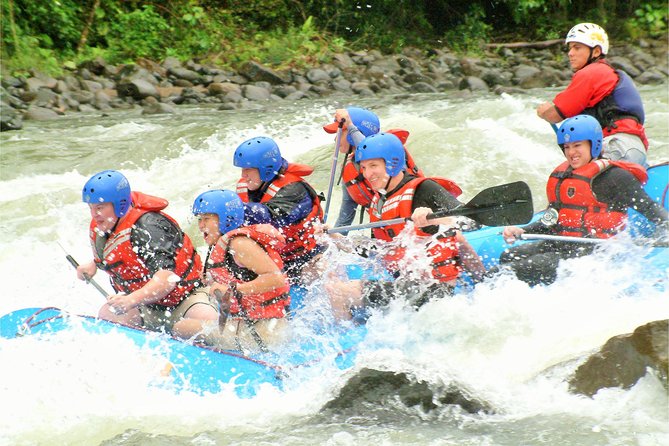
The rafting ends in Siquirres. This is more than a hurried exit beside the river. You can take a shower, change clothes, and spend time in the gardens or on the terrace.
That simple finish matters. After hours in wet clothes and river water, a warm shower and dry clothing make the return trip far more comfortable. A beer on the terrace can also help you come down from the adrenaline and share the day’s best moments with the group.
Lunch is included during the river day, and breakfast comes early in the morning. The food has earned repeated praise, with several people calling both meals good or delicious. You should not expect a restaurant tour, but the meals serve the practical purpose well: fuel before the river and food after substantial exercise.
The transport back to San Jose follows. This is where the schedule can lose its shine. If traffic is heavy, the return becomes a long ride after an already demanding day. Bring patience, and do not make the mistake of treating the stated 12-hour duration as a guarantee down to the minute.
What to wear and bring for a wet day
You receive the rafting equipment, but you still need to dress sensibly. Water shoes are a particularly useful choice because you will be wet and need secure footwear. One person specifically wished the operator had sent clearer advance instructions about footwear.
A rash guard can protect your arms from the sun while drying faster than ordinary cotton. You should also consider a swimsuit or quick-drying clothes, plus a change of clothes for the end of the trip.
Pack only what you need for the river day. Your belongings may be separated from you during rafting, so avoid bringing anything you cannot afford to get wet or lose. The available information does not specify a detailed packing list, so confirm storage arrangements and clothing guidance with the operator before departure.
Tips for the guide and driver may be requested. One visitor was surprised by this and did not have enough cash for both, so bring money if you plan to recognize good service.
Safety, weather, and changing river plans
The tour requires moderate physical fitness and has a minimum age of 12. That makes sense given the length, repeated paddling, and Class II to IV conditions that may occur depending on water levels.
A professional guide leads the trip, and safety instructions are part of the start of the activity. The strongest guide praise is specific: clear teaching, good river judgment, humor, and careful handling of difficult rapids.
Weather can change the plan. The tour requires good conditions, and the operator may cancel for poor weather, offering another date or a full refund. If the Pacuare is unsafe, you may be taken to another river instead. That is a reasonable safety decision, but communication is crucial.
One serious complaint involved a same-day substitution after the customer had expected the Pacuare and had little time to arrange another activity. The operator later refunded the price difference, but promised photographs were reportedly never delivered. I would ask about river conditions the day before, confirm the cancellation policy, and clarify what happens if the Pacuare cannot be used.
Free cancellation is available up to 24 hours before the start time. Changes or cancellations inside that window are not refunded, except when the operator cancels for poor weather or insufficient numbers.
Who should book this rafting trip?
I would recommend it to you if you want a full Costa Rican adventure rather than a short city excursion. It suits active couples, families with children aged 12 or older, solo visitors comfortable joining a group, and first-time rafters who are willing to listen and paddle.
You should be in reasonable shape. The river is exciting because you participate, not because you sit in a boat while someone else does all the work. If you want a quiet nature outing, this is the wrong fit.
I would also recommend it to experienced rafters who want a scenic day with a mix of rapids and calmer stretches. The changing water levels mean the exact challenge can vary, so do not book it solely because you expect one fixed difficulty rating.
Should you book the Pacuare River rafting trip?
Book it if the Pacuare Gorge, long river time, and rainforest scenery are your priorities. At $119, the combination of transport, meals, equipment, guiding, and a full day on the river offers good value.
Before paying, confirm the pickup time, current river conditions, footwear requirements, and the policy for substitutions. Leave your evening open because traffic may make the return much longer than expected.
The guides are the strongest reason to choose this experience. Their instruction and river skills help beginners feel capable, while the named rapids and gorge scenery give experienced rafters plenty to enjoy. Just understand the trade-off: an early start, hard work, uncertain wildlife sightings, and a slow ride home are part of the package.
FAQ
What time does the rafting tour start?
The stated start time is 5:30 a.m. Hotel pickup is included, and the exact pickup time may vary depending on your hotel.
How long does the experience last?
The tour lasts approximately 12 hours. The return to San Jose can take longer when traffic or road construction causes delays.
What is included in the price?
Breakfast, lunch, a professional guide, hotel pickup and drop-off, air-conditioned transportation, and rafting equipment are included.
What age do you need to be?
The minimum age is 12 years.
Do I need previous rafting experience?
Previous experience is not required. The first four miles include Class II and III rapids that help you learn the basic skills, but you need moderate physical fitness and must follow the guide’s instructions.
Will I definitely see wildlife?
No. The wider valley offers opportunities to spot wildlife, and guides may point out animals, but sightings are not guaranteed and may be distant.
What happens if bad weather makes rafting unsafe?
The experience may be canceled because of poor weather. You will be offered another date or a full refund. If the Pacuare cannot be used, the operator may offer a different river, so confirm the plan before departure.
Can I cancel for a full refund?
You can cancel up to 24 hours before the experience start time for a full refund. Cancellations or changes made less than 24 hours before the start are not refunded.
Just added around Costa Rica
- Naranjo River White Rafting Clas III-IV from Manuel Antonio★ 5.0 · 45 reviews
- Whitewater Rafting Savegre River Class II & III + Waterfall Break★ 5.0 · 41 reviews
- Adventure Rafting Class III and IV in Tenorio River from Playa Tamarindo★ 5.0 · 29 reviews
- Class II-III Rafting and ATV Tour from La Fortuna★ 5.0 · 46 reviews
- Full Day Class II-III Rafting and Canyoning Rappelling from La Fortuna-Arenal★ 5.0 · 45 reviews
- Rafting Class 2-3 Sarapiqui AFTERNOON Trip★ 5.0 · 35 reviews
- Adrenaline Pack (Zipline + Rafting)★ 5.0 · 40 reviews
- White Water Tubin in the river BALSA★ 5.0 · 40 reviews
White Water Rafting, compared.
Rotorua Rafting: Kaituna River White Water Rafting & Free Sauna
Read our review →
Barron Gorge White Water Rafting from Cairns or Port Douglas
Read our review →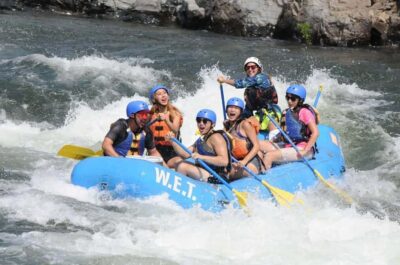
ATV Quad Bike & White Water Rafting Adventure
Read our review →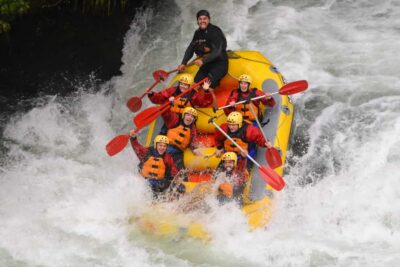
Rafting Rotorua: Kaituna River White Water Experience
Read our review →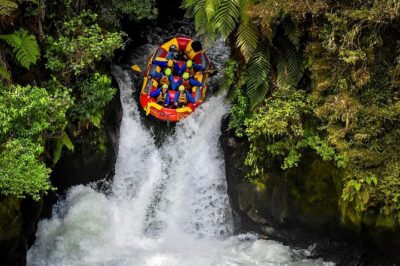
White Water Rafting – Kaituna Cascades, The Originals
Read our review →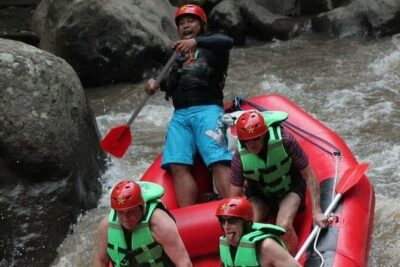
The lists this trip appears in