
Review · ROCKY MOUNTAINS, UNITED STATES
Near Denver: Clear Creek Intermediate Whitewater Rafting
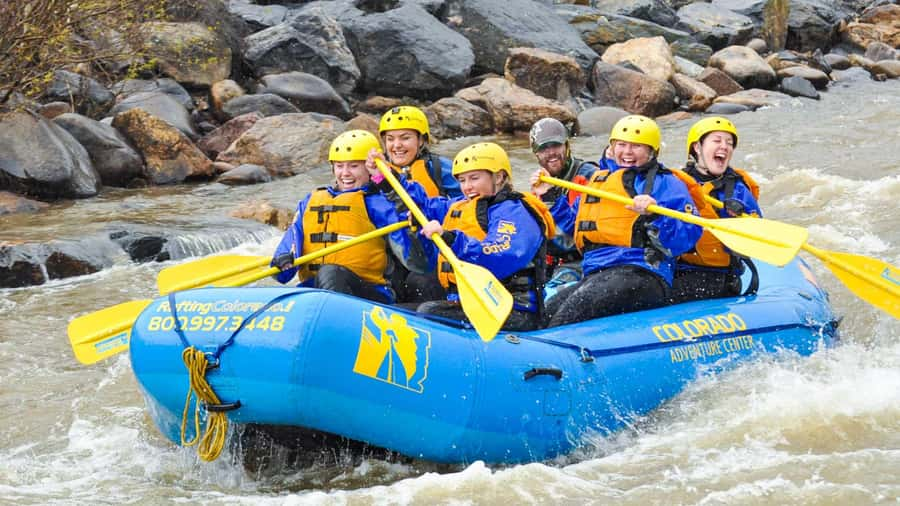
The river wastes no time. This three-hour Clear Creek rafting trip gives you Class III whitewater, Rocky Mountain scenery, and a lively ride through Idaho Springs, all a short distance west of Denver. I like the strong safety setup, with trained guides, helmets, flotation devices, and wetsuits included. I also like the setting: gold-mining history and good food await after the raft is packed away. The main catch is simple: this is not a gentle float, and early summer water can bring Class IV rapids.
You should arrive ready to get wet, work with your boat crew, and pay attention. A $130 fare is fair for a guided trip that includes permits, equipment, and a full two hours on the river, though splash tops and booties cost extra. The age limit is 14, and the trip suits people with some whitewater experience or strong first-time rafters who want a serious challenge.
Key points to know before you book
- Outer Limits is the big finish: The final Class IV rapid raises the stakes, especially during high water in early to late June.
- Clear Creek is unusually rapid-packed: The river has more rapids per mile than any other river in Colorado.
- Idaho Springs adds more than a launch point: You raft through a former gold-mining town, then have easy access to food and beer afterward.
- The tour includes the core gear: Your fee covers a guide, helmet, personal flotation device, wetsuit, permits, and booking fees.
- Expect a wet, active three hours: A 30-minute safety briefing, about two hours on the water, and a 30-minute bus ride make up the outing.
- The river changes with the season: After late June, the largest rapids usually run at Class III, while high water can add several Class IV sections.
Why Clear Creek makes a good Denver rafting choice
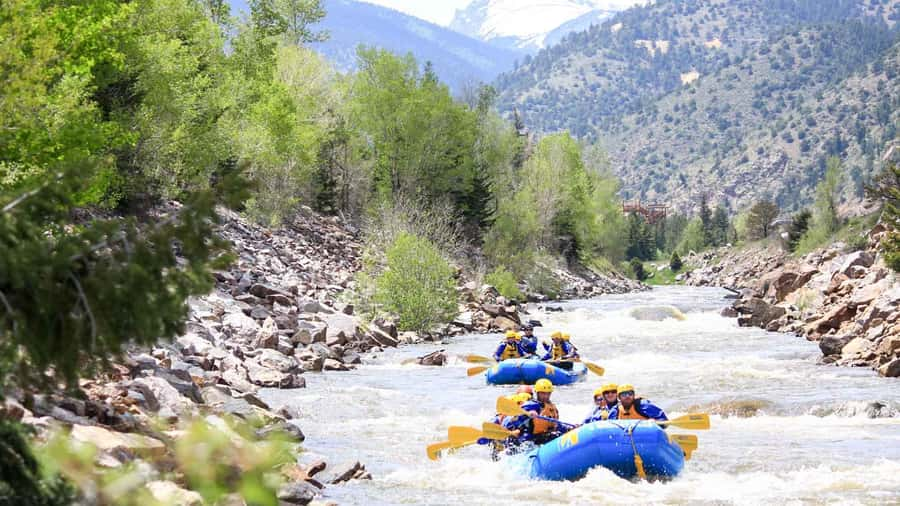
Clear Creek begins high in the Rocky Mountains, cuts through Clear Creek Canyon, and eventually runs toward the Colorado Eastern Plains before joining the South Platte River. On this trip, you see the creek in its narrow, energetic canyon section, where the water moves quickly and the road, rock walls, and historic town help frame the ride.
The location is a major advantage. You do not need to spend a full day reaching a remote river. The Colorado Adventure Center in Idaho Springs serves as your starting and ending point, making this a practical half-day addition to a Denver visit. You get a real whitewater outing without giving up the rest of your afternoon.
Clear Creek also packs a lot into a short stretch. You will paddle through named rapids such as Nomad, Fall River, and Deliverance. The route then builds toward Outer Limits, the grand finale listed as Class IV. That progression gives the trip a clear rhythm: warm up, find your teamwork, then face the hardest water near the end.
The scenery is not just decoration. The canyon helps explain why the river feels so concentrated and forceful. Narrow channels demand attention, and irregular waves can push the raft off line. You are not simply sitting in a boat while a guide does everything. Your paddling matters.
More White Water Rafting in the USA
- Half Day Whitewater Rafting Trip
★ 5.0 · 1,840 reviews - Half-Day Whitewater Rafting in Browns Canyon
★ 5.0 · 999 reviews - Whitewater Rafting in Jackson Hole : Family Standard Raft
★ 5.0 · 965 reviews
Checking in at Colorado Adventure Center
Your day begins at the main building of the Colorado Adventure Center in Idaho Springs. You need to check in at or before your departure time. Since the entire outing lasts only three hours, arriving with enough time to get organized is important. A late arrival could eat into the safety briefing or delay the group.
Bring swimwear and a towel. The supplied wetsuit helps with cold water, but you should still expect splashing, soaking, and possibly rain during the trip. Splash tops and booties are available to rent for $5 each. Those extras are worth considering if you want more protection from cold water, though the basic package already includes a wetsuit.
The center provides your helmet and personal flotation device as well. The gear is practical rather than optional decoration. On Class III water, you need a secure helmet, and your flotation device should stay on properly from the start of the briefing until the river work is finished.
Your guide gets the group ready before the raft leaves. The staff is described as highly trained, skilled, and certified, and the safety side of the trip receives some of its strongest praise. That matters here. A fun river is only fun when you trust the people giving the commands.
The 30-minute safety briefing
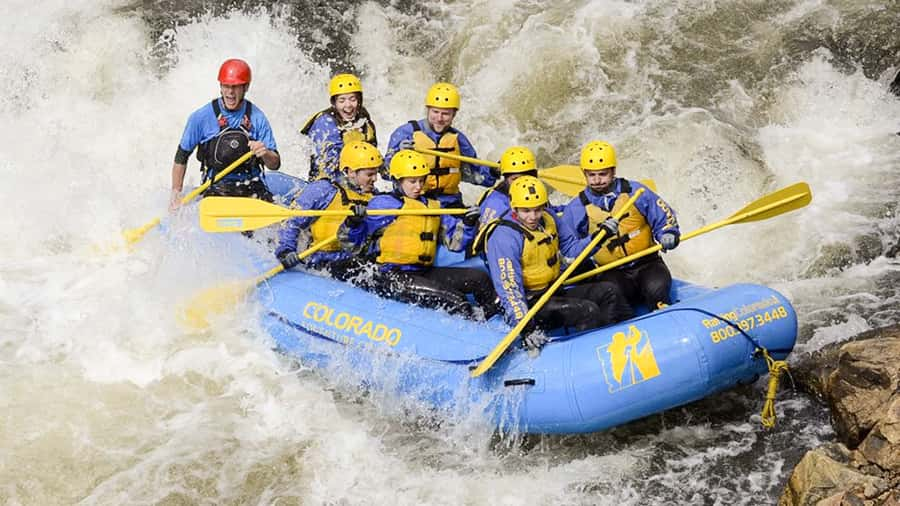
The safety briefing takes about 30 minutes in Idaho Springs. I would treat this as part of the experience, not dead time. On an intermediate river, you need to understand how to paddle together, how to respond to commands, and what to do when the water becomes chaotic.
This is also when you learn what the Class III label means in practical terms. The rapids can include larger irregular waves, narrow channels, and obstacles that require complex maneuvering. You should be comfortable listening closely and acting quickly.
The tour is intended for intermediate rafters. That means people who have rafted in whitewater before, along with aggressive first-time rafters who are actively looking for a demanding outing. If you want calm water, gentle scenery, and little physical effort, choose another activity.
The guide staff is a key part of the value. One booking note specifically praises Jared, and the same feedback highlights how the guides wait for one another along the journey. That suggests a coordinated operation rather than a collection of boats racing independently. You should still remember that guide quality cannot remove every risk. It can, however, give you clear direction when the river gets loud and fast.
Two hours through Nomad, Fall River, and Deliverance
Once you leave the center, the water takes over. The guided portion lasts about two hours, giving you enough time to settle into the paddle rhythm before the larger challenges arrive.
Nomad, Fall River, and Deliverance are among the named rapids on the route. Their names help you follow the trip, but the more important point is the variety of water. You will deal with waves, narrow passages, and changing lines through the canyon. Your group needs to paddle as a unit instead of pulling in different directions.
This is the kind of rafting where the boat crew becomes part of the attraction. The guide handles the route and gives commands, but you still have a job. Paddle when told, brace when needed, and keep your attention on the raft. That active role is what separates this outing from a scenic float.
The canyon views give your eyes a break between rapids. Clear Creek runs through a long gorge before emerging toward the plains, so the ride combines steep mountain scenery with the history of Idaho Springs. You may find that the quick shifts between quiet stretches and hard-driving rapids keep the trip from feeling repetitive.
The weather can add another layer. One August trip included hail and pouring rain, which made for a memorable story. That is a useful warning, not a promise. Mountain weather can change the mood quickly, so bring a towel and accept that the river may provide more water than you expected.
Same river country, a gentler way down it:
- Upper Pigeon River Rafting Trip from Hartford
★ 5.0 · 1,444 reviews - Durango Half Day Rafting Trip – Lower Animas River
★ 5.0 · 942 reviews - Half Day Browns Canyon Rafting Adventure
★ 5.0 · 903 reviews - Browns Canyon Full Day Rafting Adventure
★ 5.0 · 825 reviews
Outer Limits and the early-summer difference
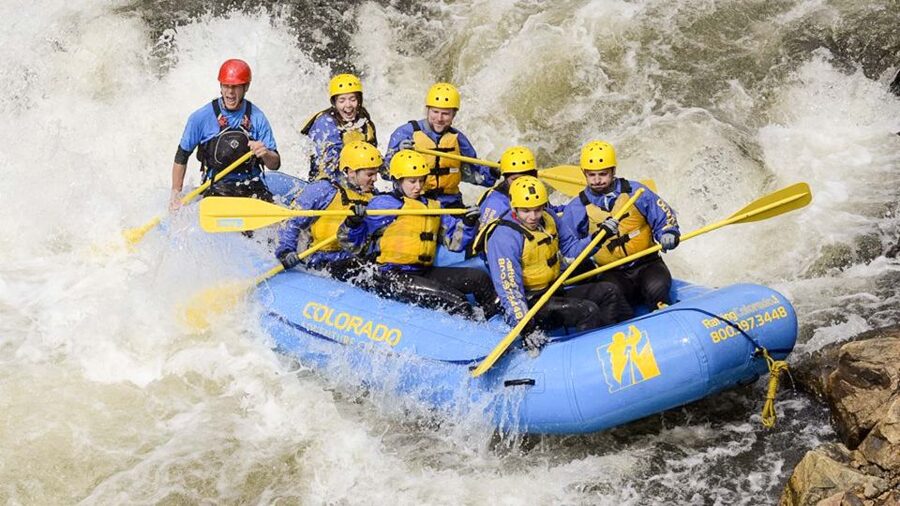
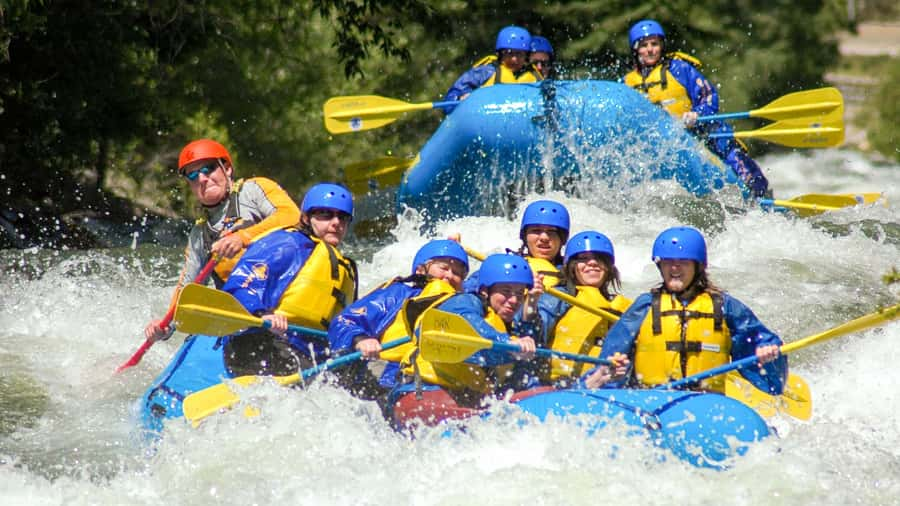
The finale is Outer Limits, a Class IV rapid. It is the moment to pay closest attention. Class IV water is powerful and fast, with complex channels and significant obstacles that must be avoided. Precise maneuvering matters.
The timing of your trip affects the character of this rapid. During high water in early to late June, the outing includes a few Class IV rapids. After late June, the biggest rapids usually run at Class III. The tour remains active after that point, but the river generally becomes less intense than during peak runoff.
This seasonal detail should guide your booking decision. If you have prior whitewater experience and want the strongest version of the challenge, early summer may appeal to you. If you are an aggressive beginner who wants an intermediate trip but feels uneasy about repeated Class IV water, a later date may be the wiser choice.
The description of the trip still matters more than the label on the calendar. Water levels can affect conditions, and the route is not a controlled amusement-park ride. You should be ready for the possibility that the river feels stronger than expected.
Passing through historic Idaho Springs
Idaho Springs is more than the place where you collect your helmet. The raft passes through this historic gold-mining town, connecting the outdoor activity with the story of Colorado’s early mining era.
That combination gives the trip a pleasant sense of place. You are not rafting in an anonymous stretch of water, then being whisked away to a parking lot. The town is part of the route, and its history helps explain why this corridor developed in the first place.
After the rafting, you have good food and beer options in Idaho Springs. Food and drinks are not included in the $130 price, so plan for that separately. Still, the town makes the post-rafting routine easy. You can dry off, eat, and talk through the best rapid without needing another transfer into Denver.
The included return bus ride takes about 30 minutes. That is useful after two hours of paddling, when you may be cold, tired, or simply ready to let someone else handle the road. The bus brings you back to the Colorado Adventure Center, completing the three-hour schedule.
Is $130 a fair price?
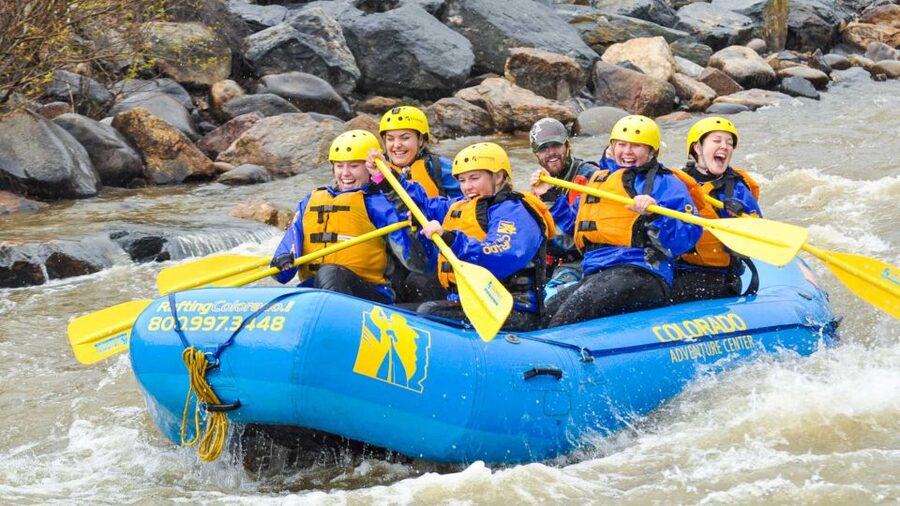
At $130 per person, this is not a bargain activity, but the fare covers the important pieces. You receive the guided rafting trip, permit and booking fees, personal flotation device, helmet, and wetsuit. You are paying for river access, equipment, guide support, and transport back to the center.
The value is strongest if you would otherwise need to arrange gear and permits yourself. You do not have to source a raft, learn the route, or figure out how to return from the river. The guide staff also gives the trip a safety structure that would be difficult to create independently.
Budget a little extra for food and drink in Idaho Springs. Booties and splash tops cost $5 each if you want them. The listed trip fee does not include those items, so check the final cost before you arrive.
Free cancellation up to 24 hours before departure and the reserve-now, pay-later option make planning less rigid. Those policies are useful when mountain weather or a changing Colorado schedule creates uncertainty. Still, your main financial decision is not the cancellation rule. It is whether you will enjoy an active Class III outing enough to justify the price.
Who should book this rafting trip?
I would recommend this trip to adults and teens aged 14 or older who want real whitewater rather than a mild scenic ride. It works well for people with previous rafting experience, strong swimmers are not specifically required by the supplied information, or first-timers who are physically ready for an aggressive outing and comfortable following instructions.
It is also a good fit for a Denver itinerary. Three hours is long enough to feel like a proper adventure, but short enough to leave room for other plans. The Idaho Springs setting gives you a natural follow-up: food, beer, and a walk through a historic mountain town.
I would be cautious if you dislike cold water, sudden weather, or physical teamwork. The trip guarantees that you will get wet, and the weather can include hard rain and hail. The Class III rating is not a marketing phrase you can ignore. Larger waves, narrow channels, and obstacles require concentration.
Families with younger children need another option because participants under 14 are not accepted. The experience also may not suit someone who wants to watch the scenery without paddling. Here, the scenery is best enjoyed between commands and rapids.
How I would prepare for the day
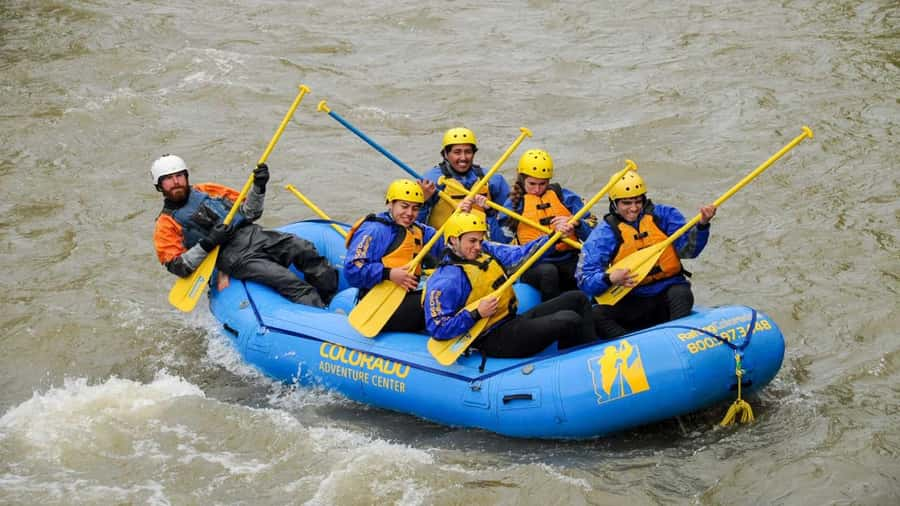
Wear swimwear under the provided wetsuit and bring a towel. Add the optional splash top or booties if cold water tends to bother you, but remember that each costs $5.
Arrive at the Colorado Adventure Center before your departure time. Use the safety briefing to ask questions and understand the guide’s commands. If you have never rafted before, say so clearly. The trip welcomes aggressive first-timers, but your guide needs to know your level.
Expect the possibility of rain or hail even if the morning looks clear. The August outing with Jared included both, and the weather became part of the story. That does not mean every trip will be stormy, but it does mean mountain conditions deserve respect.
Finally, leave time for Idaho Springs after the river. You may want a meal or beer once you return, and the town is one of the pleasures of choosing this section of Clear Creek.
Should you book it?
Book this Clear Creek trip if you want a compact, well-supported whitewater challenge near Denver, especially if you have prior rafting experience or are a bold first-timer. The guides, included equipment, historic Idaho Springs setting, and rapid-packed route give the $130 price solid value.
Choose your timing carefully. Early to late June can bring Class IV water, while later summer conditions usually keep the largest rapids at Class III. If that sounds exciting, reserve your place. If it sounds alarming, pick a gentler river outing instead.
FAQ
Where does the rafting trip start?
The trip starts at the main building of the Colorado Adventure Center in Idaho Springs.
How long does the experience last?
The experience lasts three hours. This includes a 30-minute safety briefing, about two hours of guided rafting, and a 30-minute bus ride back to the center.
What class rapids are included?
The trip primarily includes Class III rapids. It includes a few Class IV rapids during high water, usually from early to late June.
Is the trip suitable for beginners?
It is designed for intermediate rafters, including people with previous whitewater experience and aggressive first-time rafters.
What is the minimum age?
Participants must be at least 14 years old.
Will I get wet?
Yes. The trip is expected to get you wet, and swimwear and a towel are recommended.
What equipment is included?
The price includes a personal flotation device, helmet, wetsuit, guided rafting, permits, and booking fees.
Are booties and splash tops included?
No. Booties and splash tops are available to rent for $5 each.
What rapids will I encounter?
The route includes Nomad, Fall River, Deliverance, and the final Class IV rapid called Outer Limits.
Is food included?
No. Food and drinks are not included, but Idaho Springs has food and beer options after the trip.
Just added around the USA
- New River Gorge Whitewater Rafting, WV – Lower New Full Day★ 5.0 · 18 reviews
- Lower Gauley Fall Rafting Special in WV★ 5.0 · 32 reviews
- Half Day New River Gorge Whitewater Rafting★ 5.0 · 22 reviews
- Extreme Class V Whitewater Rafting on the Gauley River WV (Fall Only)★ 5.0 · 10 reviews
- Full Day Fall Lower Gauley Rafting in West Virginia★ 5.0 · 2 reviews
- Fall Upper Gauley Full Day Whitewater Rafting★ 5.0 · 2 reviews
- White Salmon River Rafting Full Day★ 5.0 · 15 reviews
- White Salmon River Rafting Half-Day Trip★ 5.0 · 31 reviews
White Water Rafting, compared.
Rotorua Rafting: Kaituna River White Water Rafting & Free Sauna
Read our review →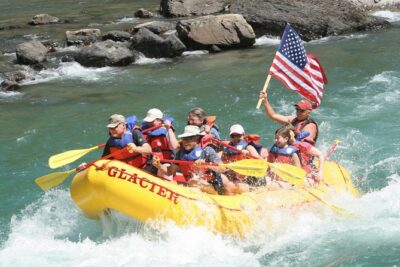
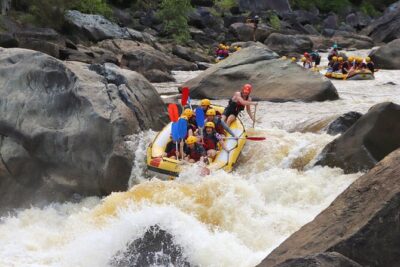
Barron Gorge White Water Rafting from Cairns or Port Douglas
Read our review →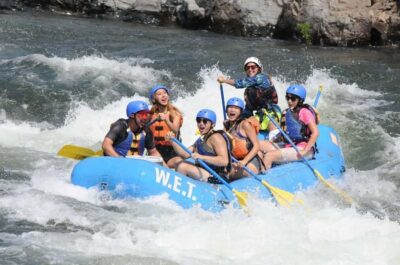
ATV Quad Bike & White Water Rafting Adventure
Read our review →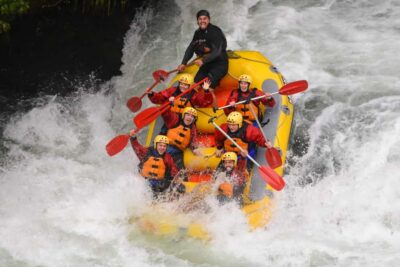
Rafting Rotorua: Kaituna River White Water Experience
Read our review →
White Water Rafting – Kaituna Cascades, The Originals
Read our review →
The lists this trip appears in