
Review · CANADA RAFTING TOURS
Sunwapta Challenge Whitewater Rafting: Class III Rapids
Rafting starts where the river gets serious. The Sunwapta Challenge pairs Class II and III rapids with broad Rocky Mountain views, and I especially like the beginner-friendly instruction and the chance to spot elk, moose, mountain goats, or even a grizzly from the river or bus. The $103.42 price is fair for a four-hour outing with transport, guide, wetsuit, helmet, life jacket, and other gear included.
The main catch is that the first stretch can feel calm before the stronger whitewater begins. You also need to change clothes without a proper changing room, which several people found awkward, so bring a towel, warm layers, and a bit of modesty.
Key points to know before you book
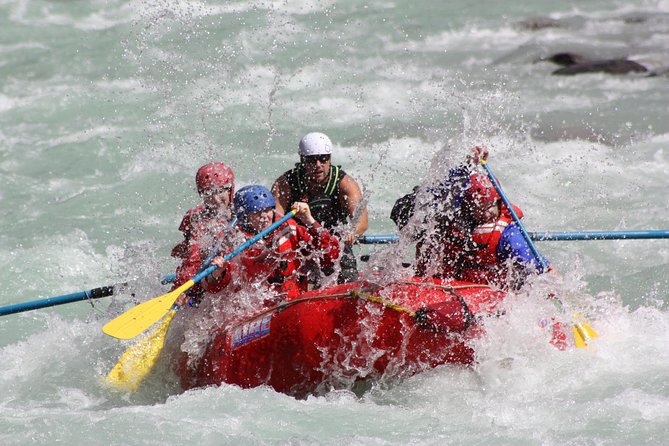
- A technical 13-kilometer river run: The Sunwapta is a low-volume river with steady Class II rapids and several Class III sections.
- Best for first-time rafters: You get a safety briefing, paddling lesson, and an experienced guide in a raft carrying up to six people.
- The strongest water usually comes later: The opening section is calmer, while the more active whitewater lasts for about 45 minutes.
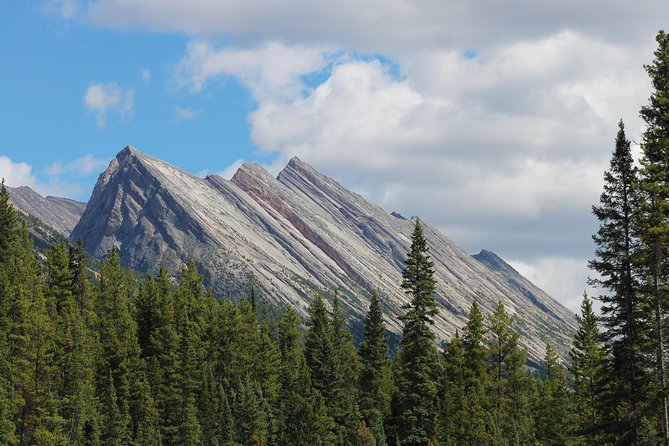
- Jasper scenery comes free: The river follows the Endless Chain Mountain Range, with views toward a dramatic glacier-fed setting.
- Bring clothes for two seasons: You may get soaked on the river, then feel cool on the ride back, even in summer.
- Ages and fitness matter: You must be at least 12, weigh at least 90 pounds, and manage a moderate level of physical activity.
What the Sunwapta Challenge really offers
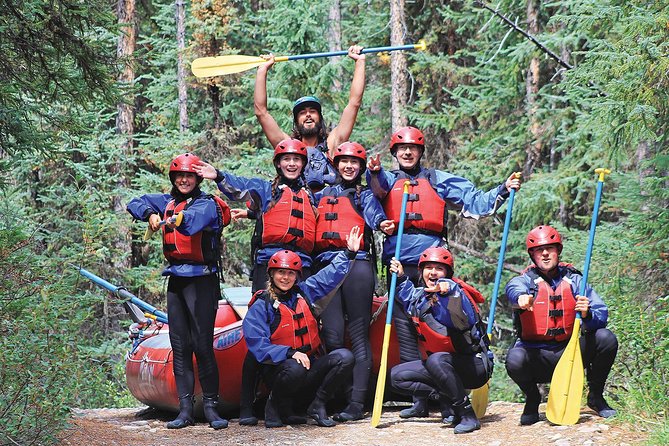
This is not a gentle float with the occasional ripple. It is also not a full-on whitewater assault. The Sunwapta Challenge sits in the useful middle ground: enough current, splashing, paddling, and boat movement to feel like a real adventure, but not so much that a first-timer is thrown into chaos.
The river covers about 13 kilometers. Your raft carries up to six passengers, and the guide handles the major steering while you paddle as a team. That setup matters. You still work, but you are not expected to read the river or make every technical decision yourself.
The Sunwapta name comes from a Stoney term meaning turbulent river. During the highest-water period, usually from mid-June through late July, the river combines regular Class II rapids with several Class III sections. Water levels can affect the feel of the run, so you should expect the river to have its own schedule.
I like this balance for couples, families with older children, and adults who want a taste of whitewater without signing up for the most punishing trip available. If you have already run more intense rivers, you may find this route entertaining but not extreme.
More White Water Rafting in Canada
- Jasper National Park: 2-Hour Whitewater Rafting
★ 4.9 · 310 reviews - Athabasca Canyon Run Family Rafting: Class II Plus Rapids
★ 5.0 · 193 reviews - Whitewater Rafting on Jasper’s Fraser River
★ 5.0 · 59 reviews
From downtown Jasper to the river put-in
Your day begins at 638 Connaught Drive in central Jasper. Arrive at least 15 minutes early for check-in and waivers. All departure times use Alberta Mountain Standard Time, a small detail that matters if you are coordinating several Jasper activities.
Round-trip transport is included, so you do not need to arrange your own drive to the river. The ride also adds to the outing. You pass through Jasper National Park, where you may see wildlife along the road and catch different views of the Rockies before reaching the water.
The transfer time varies with traffic and the time of day. The operator limits the group to a maximum of 18 people, which keeps the overall operation fairly manageable. You will still be part of a larger group, but the rafts themselves remain small enough for direct contact with your guide.
Parking is available in the lot directly across from the meeting point. If you plan to drive into town, allow time to park, check in, and sign the paperwork without rushing.
Changing into river gear
Wear a swimsuit under your regular clothes. At the river base, you change into a wetsuit, neoprene booties, paddle jacket, helmet, and life jacket. The technical equipment is included, which is one reason the price works well for someone who does not already own rafting gear.
The river water is cold. On a warm sunny day, that cold splash may feel refreshing, but you will appreciate the wetsuit once the raft is moving and your clothes are wet. On cooler days, bring wool socks for inside the neoprene booties, plus a fleece or wool layer under the spray jacket if you tend to feel cold.
Do not wear cotton under the outer gear. Cotton holds water and loses warmth, a poor combination beside a glacier-fed river.
The changing arrangement is the least polished part of the outing. There is no dedicated changing room, so you may need to change on the bus or in a more exposed outdoor area. Bring a large towel or changing robe if you have one. It will make the process much more comfortable.
Pack warm, dry clothes for the ride back to Jasper. A drink and snack for afterward are also sensible because food and drinks are not included. Souvenir photos can be purchased separately.
The safety briefing and paddling lesson
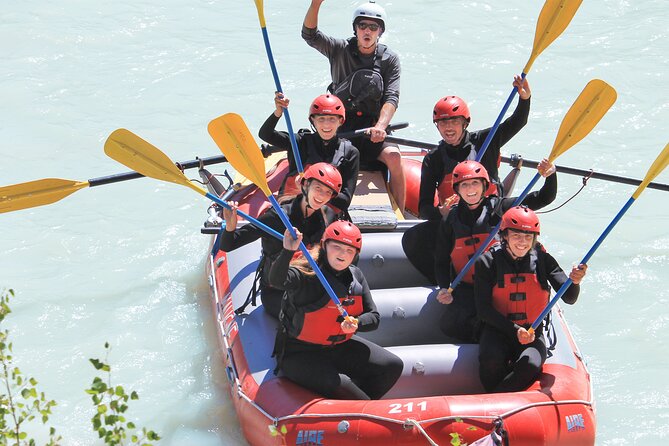
Before you leave shore, your certified river guide explains the paddling commands, boat positions, and safety procedures. This short briefing is important for first-timers, since it gives you a job to do instead of leaving you to guess when the raft starts moving.
The strongest praise for this trip goes to the guides. Austin, Ty, Craig, Liz, Jason, Kalib, and several other guides have been singled out for clear instructions, humor, calm boat handling, and strong safety awareness. Names and assignments can change, but the pattern is consistent: the guide sets a friendly tone while keeping control of the raft.
That combination helps if you feel nervous. The rafting is physical, but you are not expected to be an expert. You need to listen, paddle when asked, hold your position, and stay alert. A moderate level of fitness is required, and you may need to help carry the raft to or from the river.
More White Water Rafting in Jasper:
- Jasper: Canyon Run Family Whitewater Rafting
★ 4.9 · 55 reviews - Athabasca Expressway Whitewater Rafting
★ 5.0 · 46 reviews - Sunwapta Challenge Whitewater Rafting in Jasper
★ 4.8 · 31 reviews - Jasper: Athabasca River Mile 5 Whitewater Rafting Tour
★ 4.9 · 12 reviews
The calm opening and the main whitewater
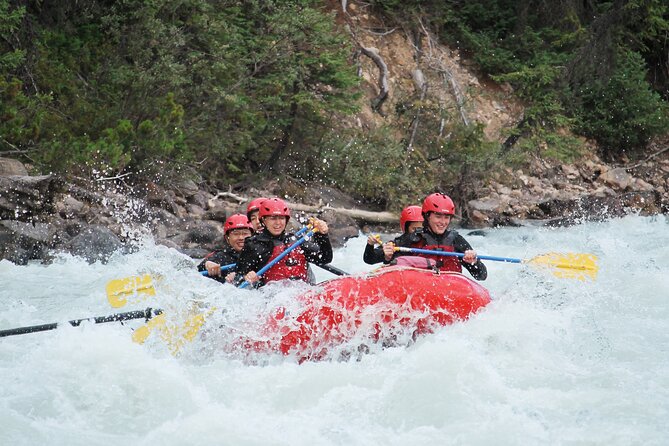
The river does not begin with an immediate wall of rapids. The opening stretch is more relaxed, giving your group time to settle into the boat, practice paddling, and look around.
This slower start is useful for beginners, but it can disappoint anyone expecting instant action. The put-in location and access rules in the national park limit where the raft can enter the river. The more active section arrives later, with roughly 45 minutes of stronger whitewater.
Once the current builds, the Sunwapta feels more technical than a simple scenic float. It is a low-volume river, so the boat works through defined channels and changes in current rather than drifting across a broad, placid waterway. Your guide chooses the line, while the group helps the raft move cleanly through the rapids.
Class II rapids usually bring regular waves and straightforward maneuvering. Class III water adds larger waves, stronger current, and more precise boat movement. You should expect splashes and a good deal of paddling, but the route is designed for people without previous rafting experience.
Some boats stay fairly dry, while others take a direct hit from the river. Your seat matters, and the front position is likely to receive more water. One family described a front-seat rider getting soaked to the bones, which is a useful warning: bring dry clothes and assume your swimsuit will be wet at the end.
Jasper National Park from the water
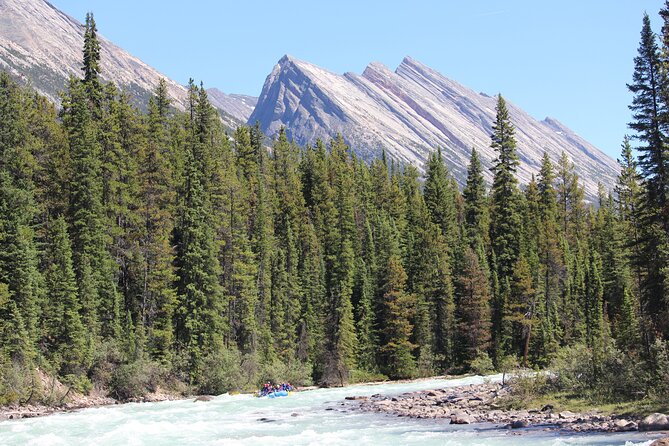
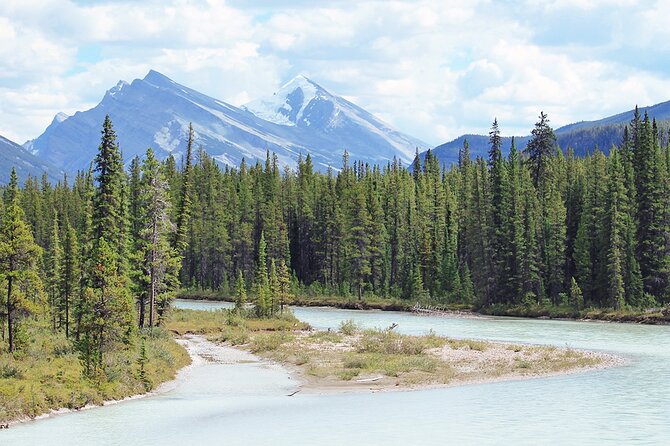
The scenery is one of the best reasons to choose this particular run. The Sunwapta follows the Endless Chain Mountain Range from its source near the toe of the Athabasca Glacier. You are surrounded by forest, peaks, and river corridors rather than buildings or roadside attractions.
Jasper National Park is part of the Canadian Rockies UNESCO World Heritage setting. From a raft, you see the park from a low, moving viewpoint. That changes the experience from a standard mountain drive or lookout stop. You are watching the river ahead while the peaks rise around you.
Keep your eyes on the shore during quieter moments. The park is home to elk, moose, bighorn sheep, bears, pikas, and other wildlife. Sightings are never guaranteed, and you should not expect a wildlife tour, but the bus ride and riverbanks give you two chances to notice animals.
One afternoon group saw elk and mountain goats on the ride back to Jasper. That is a good reminder to stay alert after the rafting ends. Put the phone away when the road enters open country, and let the driver do the looking while you enjoy the view.
How much work is involved?
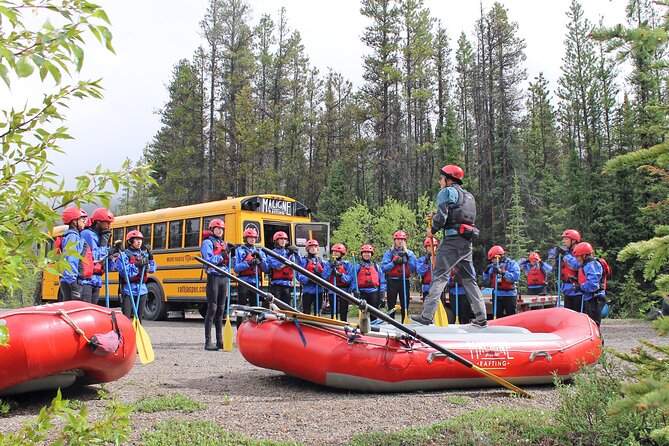
You will paddle. This is not a ride where you sit back for four hours while someone else does everything. The guide manages the raft, but your group must respond to commands and help move the boat through the current.
The physical demand is moderate rather than punishing. You need enough strength and coordination to paddle, balance, and help with the raft. The operator does not recommend the activity for people with back injuries.
At least one group described carrying the raft to and from the river as part of the work. That task may be brief, but it is worth knowing before you book. Comfortable footwear for the approach and a willingness to get wet will help.
Children must be at least 12 years old and weigh at least 90 pounds, or 41 kilograms. Anyone under 18 must be with an adult. Families with older children often find this a good shared activity because everyone has a clear role in the boat.
Price, group size, and overall value
At $103.42 per person, the tour offers solid value for a half-day Jasper activity. The price covers return transport from downtown, an experienced certified guide, wetsuit, neoprene booties, paddle jacket, helmet, life jacket, and other on-river equipment.
You still need to budget for food, drinks, and optional photos. You also need to provide your swimsuit, towel, warm clothes, and perhaps a fleece or wool layer. Those are small costs if you already have outdoor clothing, but they matter if you are packing light.
The four-hour duration includes transport, preparation, and about 1.5 hours on the water. That makes the trip easy to fit beside another Jasper activity. I would not schedule a tight connection afterward, since transfer times depend on traffic and the river operation can run on outdoor time rather than city time.
The maximum group size is 18, with no more than six people in a raft. That is a sensible arrangement. The large group gives the company enough people to operate the trip, while the small raft lets you hear and follow your own guide.
The high satisfaction level makes sense because the guides receive so much praise. The real value is not only the water. It is the combination of instruction, transport, safety equipment, mountain scenery, and a route that gives you genuine whitewater without requiring previous experience.
Who should book this rafting trip?
I would choose the Sunwapta Challenge if you are new to rafting, want a family activity for children 12 and older, or prefer excitement with a clear safety structure. It also suits a group of friends looking for a memorable Jasper outing without giving up an entire day.
It is a good match for people who want more than a float but do not need the biggest rapids available. The guides keep the mood light, and the short lesson helps settle first-time nerves.
I would think twice if you want nonstop action from the first minute. The opening section is calm, and one person expecting immediate Class III water felt let down. You may also want another company or river if your priority is a more intense whitewater experience.
The changing setup is another consideration. If you dislike changing outdoors or on a bus, bring extra privacy gear. A large towel, loose warm clothes, and a dry bag for personal items can make the return trip much easier.
Booking and cancellation basics
This activity is often reserved well ahead, with an average booking time of about 41 days. Summer departures can be popular, especially during the higher-water period from mid-June through late July.
Free cancellation is available up to 24 hours before the start time for a full refund. Changes or cancellations inside that 24-hour window are not accepted for a refund. The trip runs in all weather, though the operator may cancel if minimum numbers are not met and offer an alternative or full refund.
Service dogs with valid paperwork are allowed, but other pets are not. Confirmation is issued when you book, and the experience is offered in English.
Should you book the Sunwapta Challenge?
Book it if you want a well-run first whitewater trip with real rapids, strong mountain scenery, and a guide who keeps the boat calm and cheerful. The clearest strengths are the safety briefing, small raft groups, included gear, and the useful mix of Class II and Class III water.
Skip it if you are chasing a much wilder run, dislike paddling, have a back injury, or need a private changing room. For most active visitors to Jasper, though, the Sunwapta Challenge gives you a good half-day balance: wet, physical, scenic, and exciting without being reckless.
FAQ
Where does the Sunwapta Challenge rafting tour begin?
It begins at 638 Connaught Drive in Jasper, Alberta. The activity returns to the same meeting point after the river trip.
How long does the experience last?
The full experience lasts about four hours. You spend roughly 1.5 hours on the water, with the remaining time used for transport, preparation, changing, and safety instruction.
How long is the river route?
The rafting route covers about 13 kilometers of the Sunwapta River.
What class rapids are included?
The route includes a consistent flow of Class II rapids and several Class III sections. The strongest whitewater generally comes after a calmer opening stretch.
Do I need previous rafting experience?
No. The trip is designed for people without previous rafting experience, and the guide gives you paddling instruction and a safety briefing before you enter the water.
What equipment is provided?
The operator provides wetsuits, neoprene booties, paddle jackets, helmets, life jackets, and other technical river equipment.
What should I wear?
Wear a swimsuit under your regular clothes. Bring warm clothes for afterward, and consider wool socks plus a fleece or wool layer on cooler days. Cotton is not recommended under the spray jacket.
What is the minimum age?
Participants must be at least 12 years old. Anyone under 18 must be accompanied by an adult.
Is there a minimum weight?
Yes. Participants must weigh at least 90 pounds, or 41 kilograms.
Is transportation included?
Yes. Return transportation between the downtown Jasper meeting point and the river is included. Transfer times vary with traffic and the time of day.
Just added around Jasper
- Rafting Athabasca Falls Run in Jasper★ 5.0 · 44 reviews
- Class 3 Sunwapta River Rafting Adventure in Jasper★ 5.0 · 33 reviews
- Athabasca Expressway Whitewater Rafting★ 5.0 · 46 reviews
- Sunwapta Challenge Whitewater Rafting in Jasper★ 4.8 · 31 reviews
- Jasper: Sunwapta River Whitewater Rafting – Self-Drive★ 4.6 · 3 reviews
- Jasper: Athabasca Falls River Rafting Adventure★ 5.0 · 3 reviews
- Jasper: Athabasca River Mile 5 Whitewater Rafting Tour★ 4.9 · 12 reviews
- 5-Hour Fraser River Rafting in Jasper National Park★ 5.0 · 39 reviews
White Water Rafting, compared.
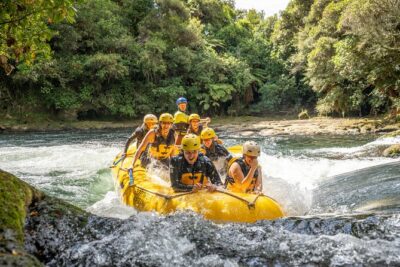
Rotorua Rafting: Kaituna River White Water Rafting & Free Sauna
Read our review →
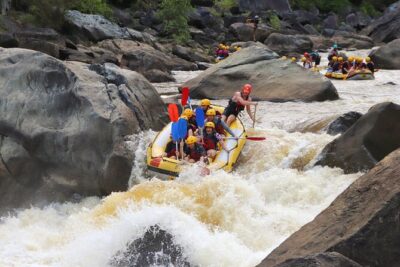
Barron Gorge White Water Rafting from Cairns or Port Douglas
Read our review →
ATV Quad Bike & White Water Rafting Adventure
Read our review →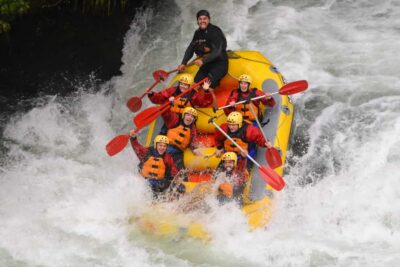
Rafting Rotorua: Kaituna River White Water Experience
Read our review →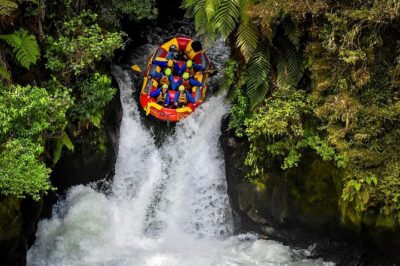
White Water Rafting – Kaituna Cascades, The Originals
Read our review →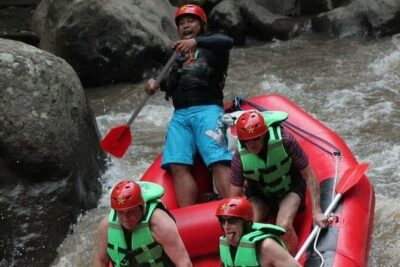
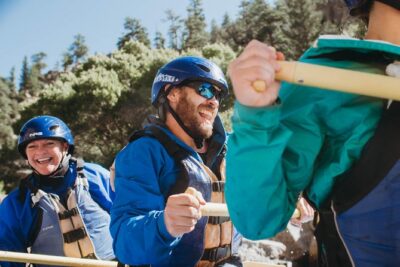
The lists this trip appears in